




Antique Footman Stand
An antique footman stand is a sturdy hearth accessory that keeps food and kettles warm by the fire.
Antique Footman Stand
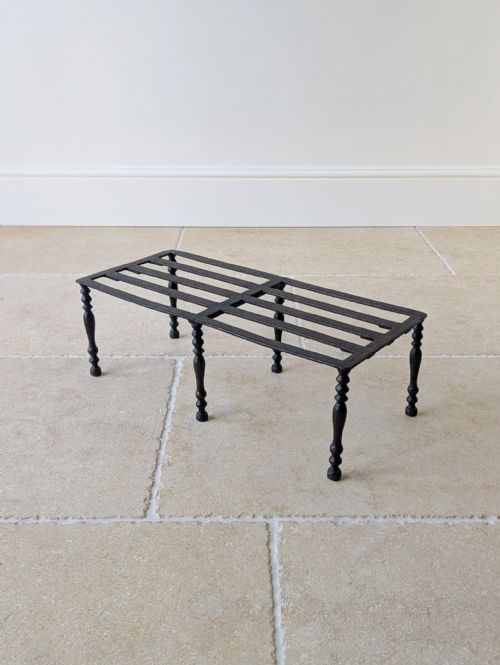
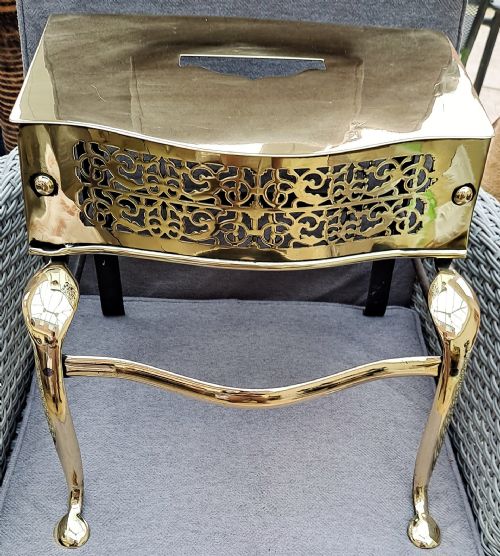
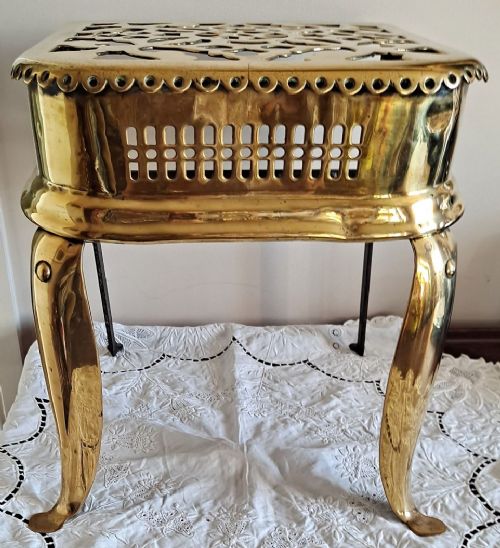
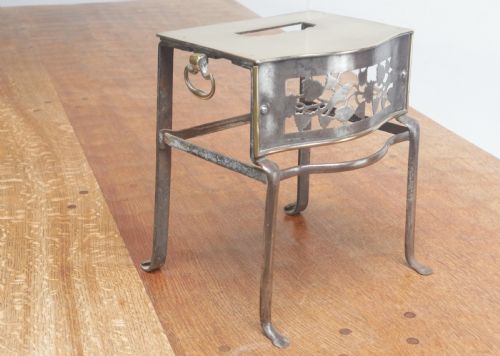
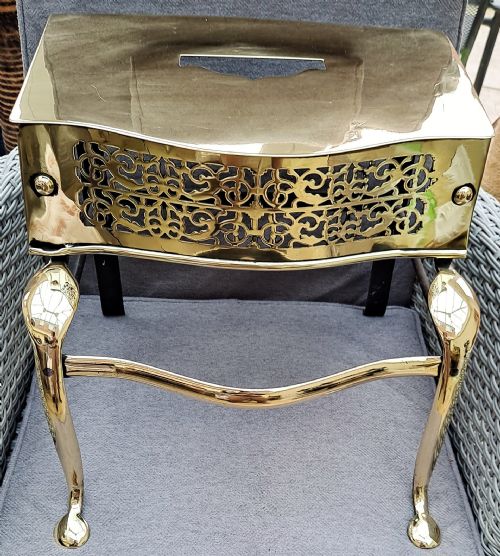
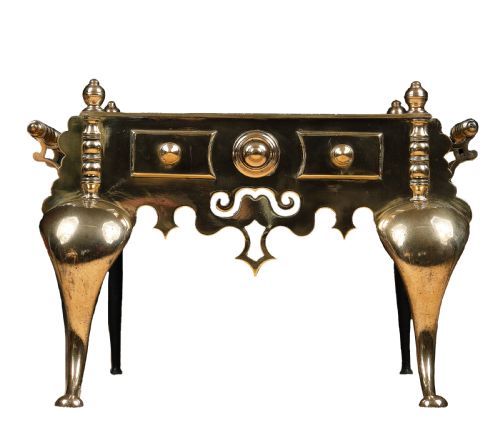
An antique footman stand is a traditional hearth accessory designed to sit before an open fire for warming plates and kettles. These pieces take various forms, including straightforward rectangular hearth stands and porter stool variants fitted with cabriole legs. Most examples found here date from the Georgian, Regency, and Victorian periods.
The objects serve as practical fireside furniture from eras when inglenook fireplaces formed the centre of domestic life. Buyers encounter examples originating from English and Welsh workshops, reflecting regional differences in metalworking traditions. Each piece represents a durable piece of functional kitchen and hearth equipment.
How they were made
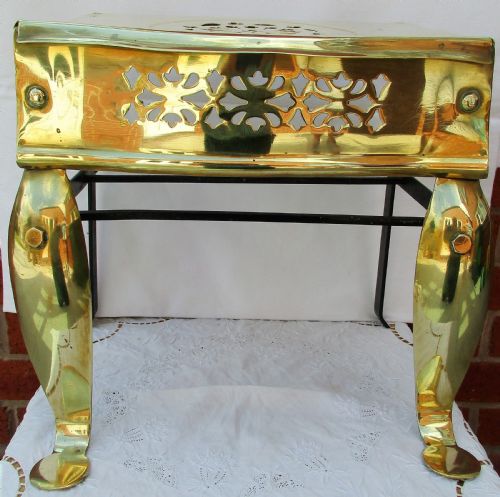
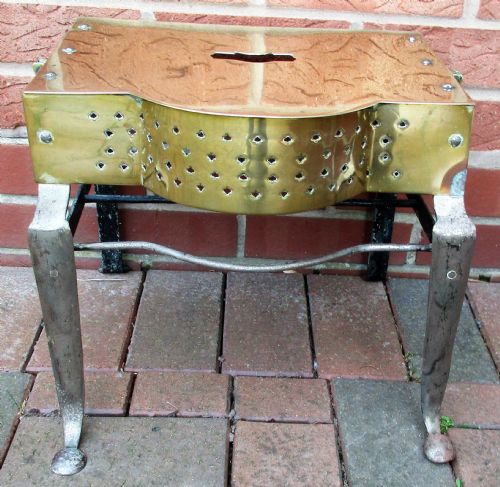
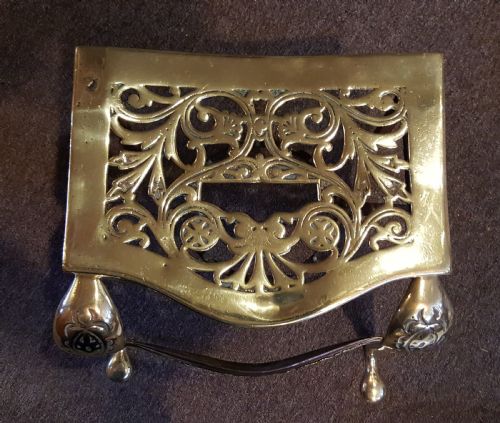
Makers constructed these items using a combination of brass, steel, iron, and wrought iron. The tops are predominantly formed from polished brass plates, often pierced with decorative cut-out patterns to dissipate heat.
Frames and legs rely on robust iron and steel structures to support heavy metal plates and cookware over burning coals. Blacksmiths and metalworkers shaped the wrought iron and steel components by hand, joining them securely to withstand daily kitchen heat.
Materials recorded across the current inventory include brass, steel, iron, and wrought iron.
What varies in quality
Quality rests upon the weight of the metal and the crispness of the pierced brass top. Heavier gauge brass and thick steel indicate superior durability and a more substantial construction.
Design detail also separates standard examples from finer pieces, such as those featuring shaped cabriole legs or intricate hand-cut piercing on the top plate. The integrity of the joints between the iron frame and the brass top determines the overall solidity.
The Antique Footman Stand Glossary
- Footman
- A metal stand placed by a fireplace to hold plates or kettles near the heat. It typically stands on four legs with a flat top.
- Trivet
- A small support appliance used to elevate cooking vessels above a hearth or fire. These often share similar functions and materials with footman stands.
- Inglenook
- A large recessed fireplace space designed to accommodate seating and hearth accessories within the chimney breast. Footman stands sat comfortably inside these deep hearths.
- Cabriole leg
- A furniture leg that curves outward and then tapers inward, ending in a pad or foot. This stylistic flourish appears on finer porter and footman stool variants.
- Wrought iron
- Iron that has been heated and worked with tools by a smith rather than cast in a mould. This material provides the strong skeletal frame for many early stands.
Antique Footman Stand: Frequently Asked Questions
What is an antique footman stand used for?
These metal stands were placed directly in front of the hearth to keep meals, plates, and kettles warm. They functioned as portable warming tables before the widespread use of modern kitchen ranges.
Households utilised them in large inglenook fireplaces where the intense heat of the coal or wood fire could be harnessed for food preparation and service.
How do I tell a Georgian footman from a Victorian one?
Georgian examples often display simpler, heavier wrought iron frames paired with hand-pierced brass tops. Their design focuses strictly on utility within eighteenth-century country houses.
Victorian pieces frequently incorporate harder steel components and slightly more mechanised manufacturing methods. Regional variations, such as Welsh styles from the later nineteenth century, also help identify the period of origin.
Can I use an antique footman by an active fireplace?
Most of these pieces are constructed from durable brass and iron designed specifically for heavy hearth use. However, collectors often treat them as decorative display items due to their age.
If placed near a modern fire, ensure the surface can handle the heat without damaging the historical patina of the brass and steel.
How do I clean and maintain brass and iron?
Maintenance involves gentle dusting and occasional cleaning of the brass top to prevent tarnishing. Avoid harsh chemical cleaners that strip away the natural historic patina.
Iron frames benefit from a light application of protective wax or oil to prevent surface oxidation in damp environments.