

Antique Food Storage
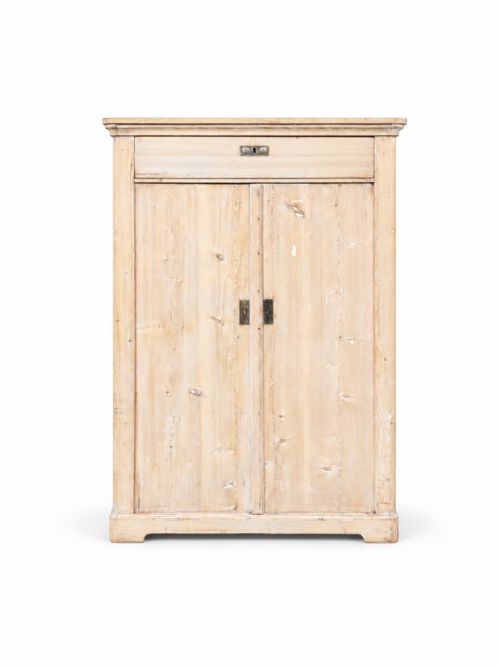
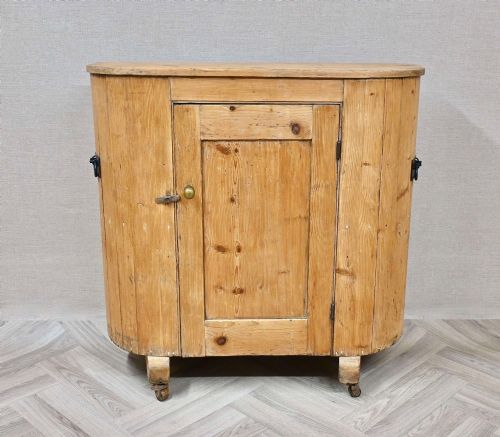
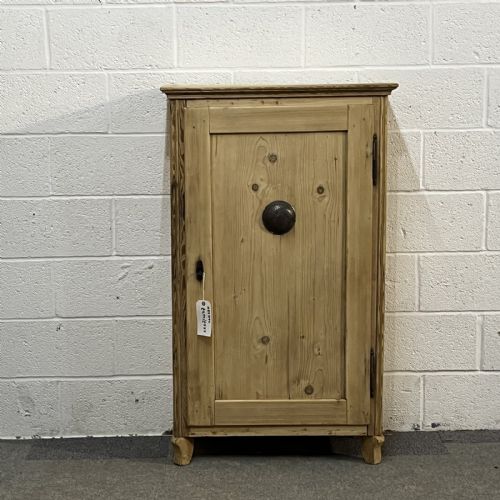
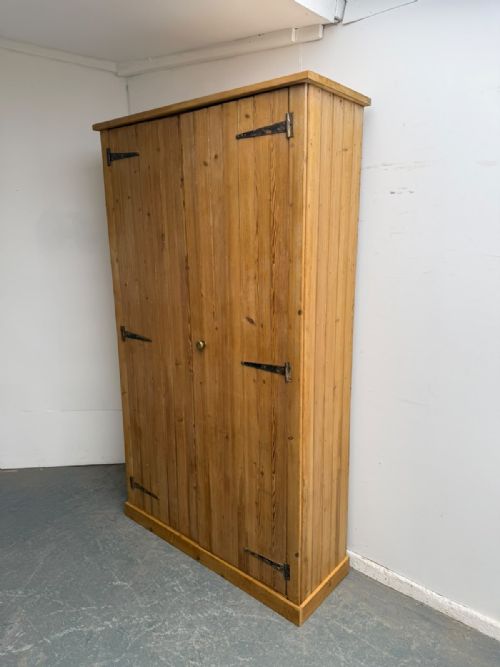
These pieces of antique food storage are sturdy kitchen cupboards and larders built to keep perishables fresh before refrigeration.
Antique Food Storage
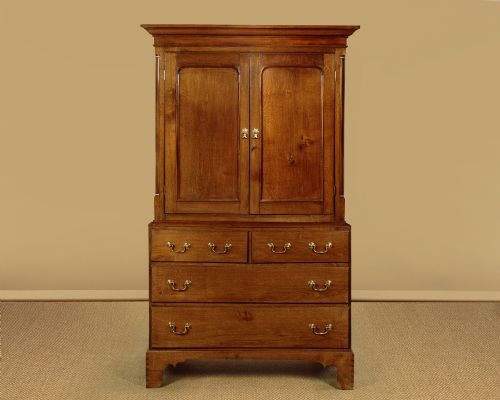
When buyers search for antique food storage, they encounter a range of kitchen cupboards, housekeeper's cupboards, and specialised larders from the seventeenth century through to the early twentieth century. These domestic items served as the primary method for preserving bread, cheese, and dry goods in homes before mechanical refrigeration existed.
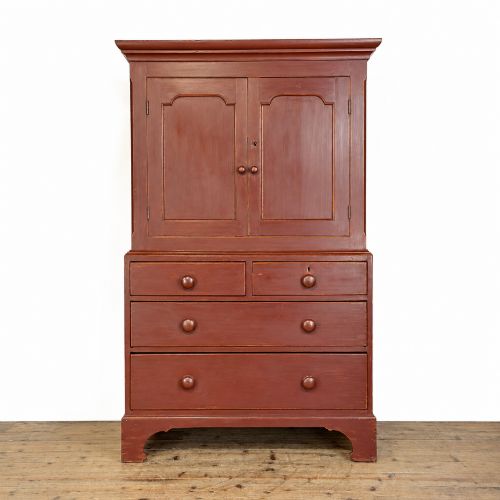
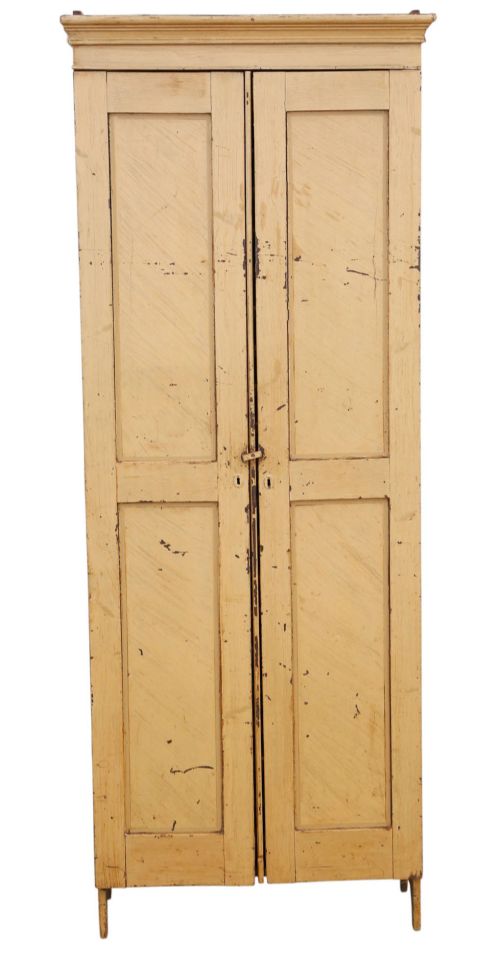
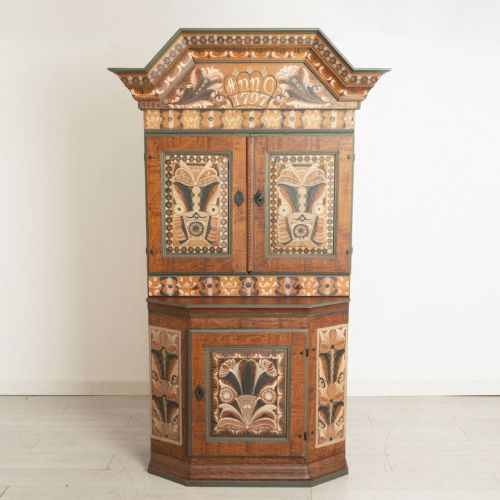
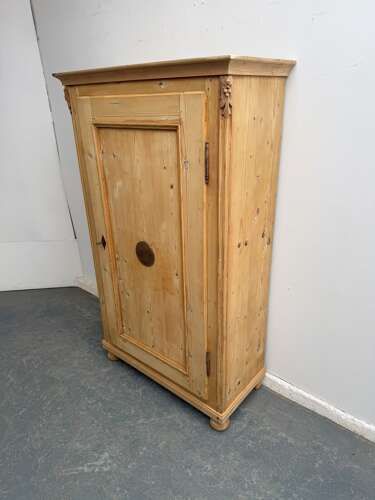
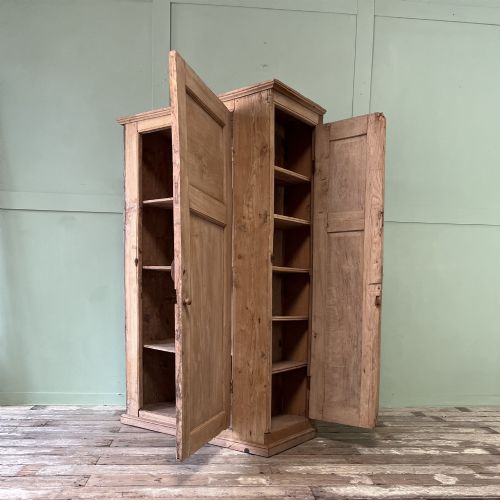
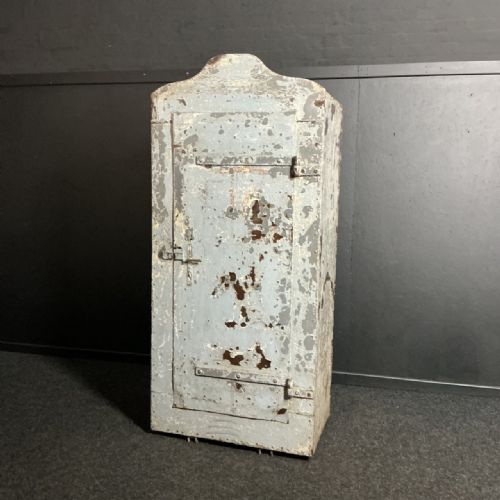
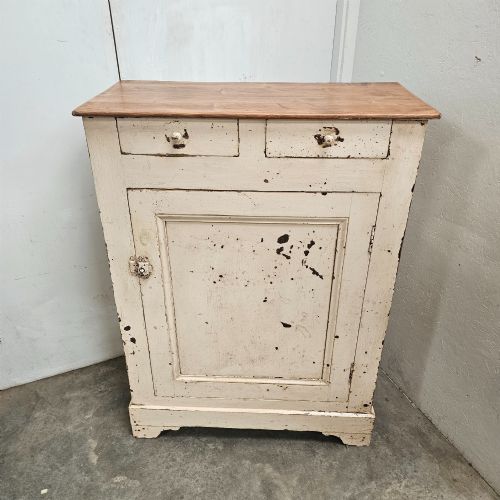
The versions most commonly met on this page are nineteenth-century pine kitchen cupboards, often featuring ventilated panels to allow air circulation around provisions. Alongside these, buyers find regional British pieces in oak and elm, alongside French and Scandinavian painted pine cabinets.
How they were made
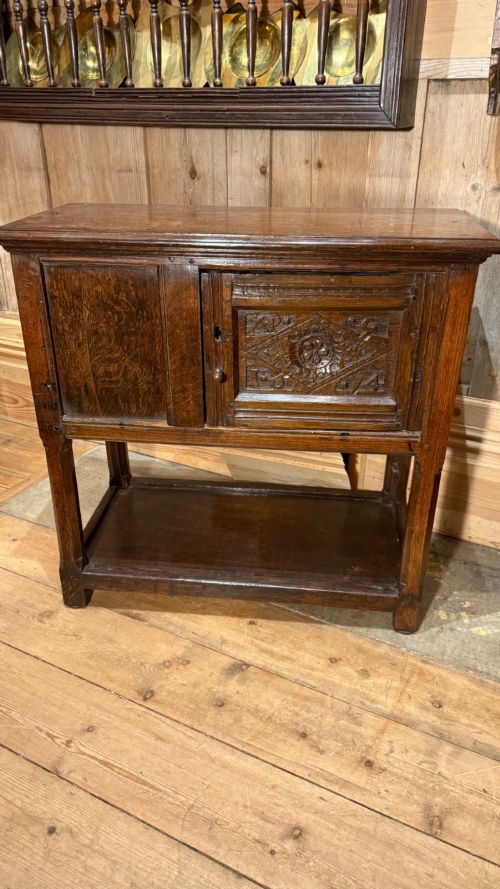
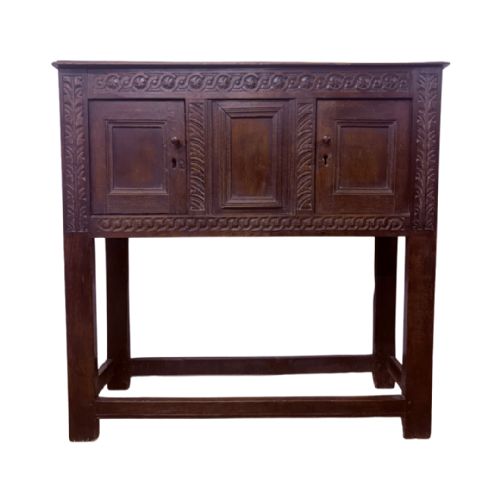
Makers utilised solid timbers native to their regions, predominantly oak, pine, and elm, assembled using traditional pegged joints, dovetails, and hand-forged iron hardware. Early pieces display joined oak construction, whilst later nineteenth-century examples rely heavily on pine panels prepared for paint or wax.
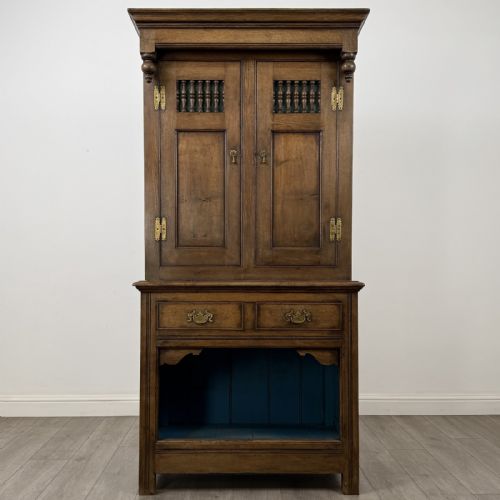
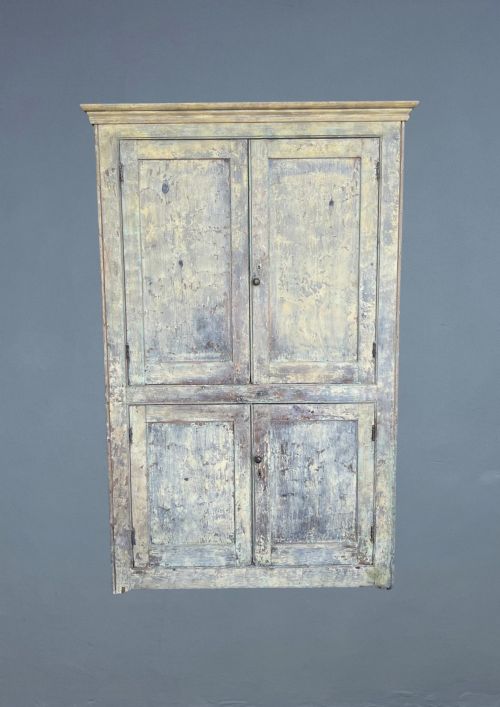
Surface treatments vary from the natural grain of waxed hardwood to layered painted finishes, including scumble painting and folk art motifs. Ventilation was frequently achieved through pierced wooden slats, wire mesh, or turned spindles built directly into the cabinet doors.
Antique Food Storage Retail Price Guide 2026
Typical asking prices for food storage among the pieces listed under this phrase on Sellingantiques today, from the lower quarter to the upper quarter. They describe what is for sale here now, not the wider market.
Early makers ensured cheese stayed fresh by adding tiny ventilated wooden slats that double as charming geometric patterns.
What varies in quality
The distinction between ordinary utility items and superior examples lies in the integrity of the original construction and the preservation of authentic surface finishes. Pieces retaining their early blacksmith-made hinges, locks, and untouched painted or scumbled surfaces command greater interest from collectors.
Proportion and scale also dictate the hierarchy, as small country cupboards and shallow vented wall cabinets require more delicate joinery than standard utilitarian storage boxes. The quality of the timber selection, such as figured elm or dense seventeenth-century joined oak, separates standard regional work from exceptional craftsmanship.
Thomas Bradbury
The Antique Food Storage Glossary
- Housekeeper's cupboard
- A large tall storage cabinet traditionally used for storing linens, dry goods, and provisions in a large domestic household. They often combine upper shelving with lower banks of drawers.
- Vented cupboard
- A food storage cabinet featuring pierced panels, wire mesh, or slatted doors designed to circulate air while keeping insects away from perishable items. These formed an essential part of the Victorian kitchen.
- Joined oak
- Furniture construction utilising mortise and tenon joints secured with wooden pegs rather than metal nails. This technique defines seventeenth-century English cabinetry.
- Scumble painted
- A decorative surface finish where a translucent glaze is dragged or manipulated over a lighter base coat to imitate the grain of more expensive timber. It was widely used on nineteenth-century pine furniture.
- Bread and cheese cupboard
- A regional vernacular food storage piece specifically ventilated for preserving dairy and baked goods. They represent traditional rural domestic habits.
Antique Food Storage: Frequently Asked Questions
What is an antique food storage cupboard?
These are historical wooden cabinets designed to hold bread, cheese, and dry rations before the invention of the modern refrigerator.
They rely on solid timber construction and often incorporate ventilated doors to keep provisions fresh.
How were vented cupboards used?
Vented cupboards held perishable foods like cheese and meat in a time before temperature-controlled cooling.
The slatted or mesh doors allowed air to circulate while keeping out household pests.
How do I date an antique oak cupboard?
Dating relies on observing construction methods, such as joined pegged frames versus machine-sawn boards and dovetailing.
Early pieces from the seventeenth century use heavy oak and blacksmith ironwork, while nineteenth-century items typically employ pine.
Can I use an antique larder in a modern kitchen?
These cabinets offer deep shelving and generous proportions well suited to pantry storage in contemporary homes.
Their substantial timber frames provide practical everyday utility alongside historical character.