



Antique Folk Art Dresser
An antique folk art dresser brings regional character and hand-painted charm into a room, offering both practical storage and striking visual warmth.
Antique Folk Art Dresser
An antique folk art dresser represents domestic storage shaped by regional traditions across Europe during the nineteenth century and early decades of the twentieth.
The pieces on this page span kitchen dressers, cupboards, cabinets, and chests of drawers rooted in Scandinavian, Hungarian, Austrian, French, and Welsh country styles.
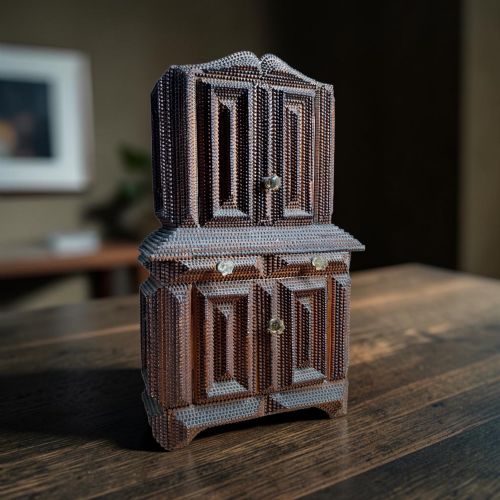
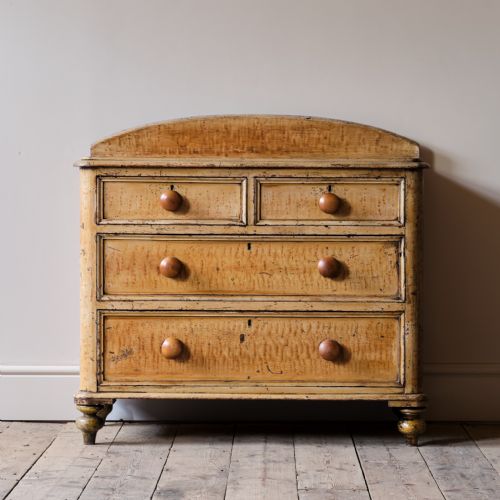
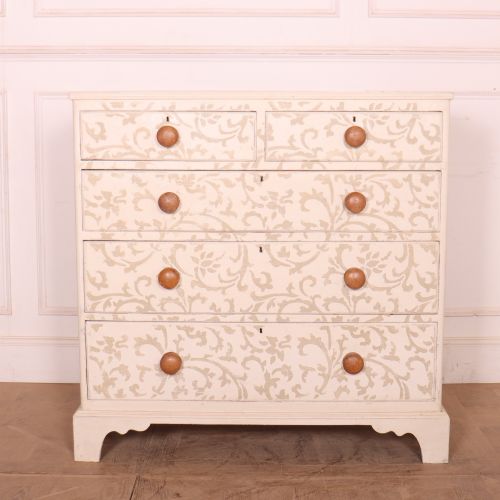
Buyers seeking an antique folk art dresser encounter pine carcases finished in original paint, cream and teal schemes, scumble glaze, simulated birch, or intricate tramp art carvings.
Materials and Construction
Joiners built these domestic pieces primarily from solid pine and other utilitarian woods, often mounting iron and brass hardware for daily use.
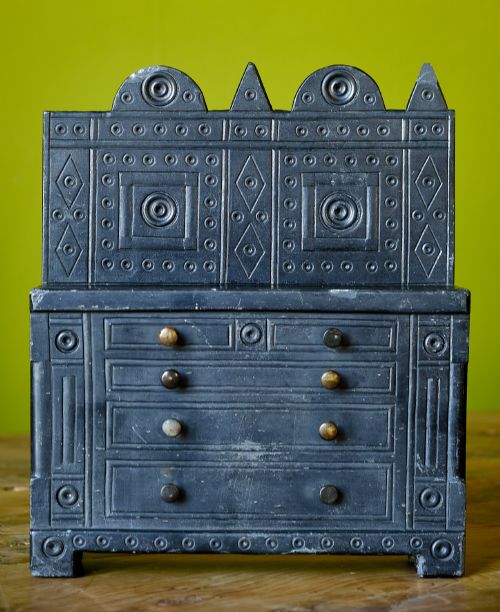
Decoration relied heavily on hand-mixed paint, ragwork, and floral motifs applied directly to timber surfaces, while specialist items incorporated carved slate or layered tramp art wood chips.
Periods represented span the nineteenth century, the Victorian era, and the early decades of the twentieth century.
Assessing Quality and Character
Quality rests in the survival of original decorative surfaces, where untouched paint schemes and authentic regional decoration command higher regard than later overpainting.
Structural integrity of the pine carcase, combined with the crispness of folk carving or the harmony of the painted palette, separates standard utility furniture from exceptional vernacular pieces.
Gemla Fabrikers
The Antique Folk Art Dresser Glossary
- Scumble
- A decorative painting technique involving a translucent top glaze manipulated over a lighter base colour to simulate wood grain or texture.
- Tramp art
- A style of woodworking where small pieces of chip-carved wood, often from cigar boxes, are layered to create geometric relief patterns.
- Ragwork
- A decorative paint finish created by applying or removing colour using a rag to produce a mottled or textured surface.
- Gustavian
- The Swedish interpretation of French neoclassical style, characterised by lighter proportions, pale paint finishes, and restrained classical detailing.
- Commode
- A low standing chest of drawers or cabinet originating from continental European traditions.
Antique Folk Art Dresser: Frequently Asked Questions
What defines an antique folk art dresser?
An antique folk art dresser is a utilitarian storage piece embellished with traditional regional decoration, hand-mixed paintwork, or vernacular carving.
These pieces reflect the distinct aesthetic preferences of rural communities, particularly across Scandinavia and Central Europe, during the nineteenth century.
Where were these painted cupboards made?
The pieces originate from various European regions including Sweden, Hungary, Austria, France, and Wales.
Local cabinetmakers constructed them using accessible regional timbers like pine to serve domestic needs in farmhouses and country homes.
How do I care for original painted surfaces?
Protect original paintwork by keeping the timber away from direct sunlight and maintaining stable indoor humidity levels.
Dust gently with a dry, soft cloth and avoid chemical cleaning agents that can strip or soften historic finishes.
Can I use a kitchen dresser for modern storage?
These pieces provide ample shelving and drawer space suited for organising tableware, linens, or books in contemporary living areas.
Their robust timber construction ensures they remain fully functional for daily household use.