



Antique Folding Dressing Table
An antique folding dressing table offers clever compartment work and adjustable mirrors for daily grooming routines.
Antique Folding Dressing Table
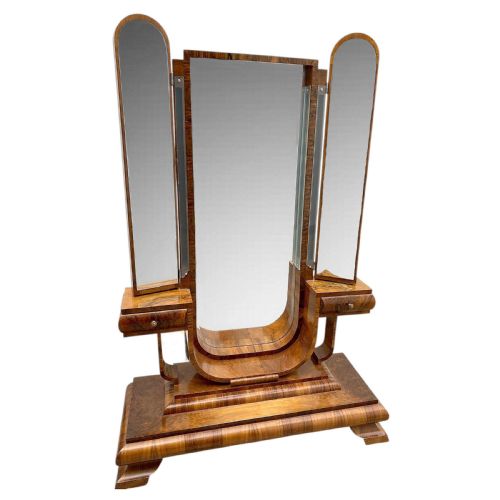
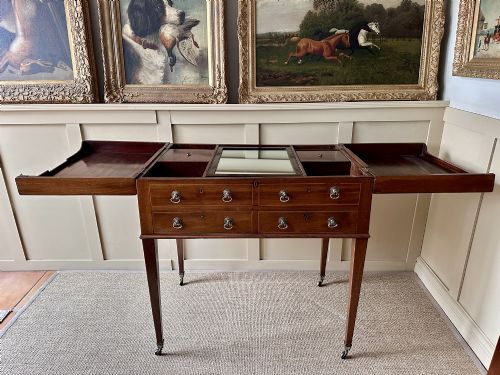
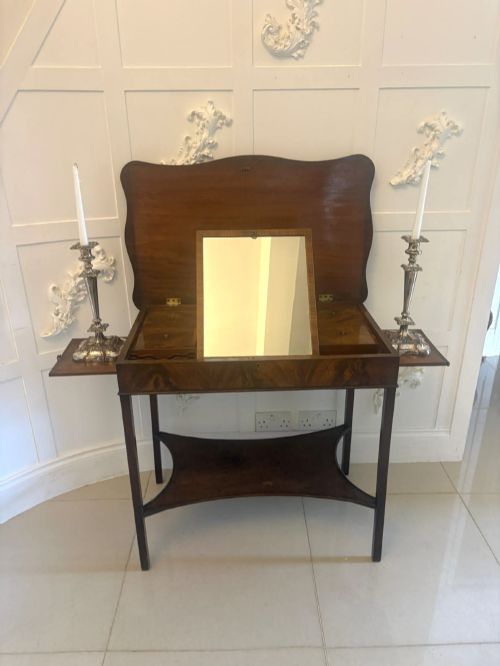
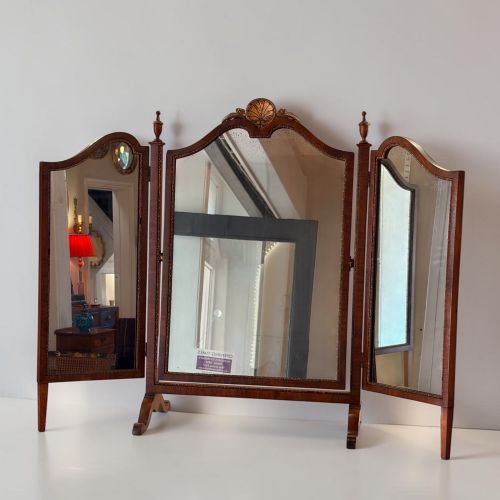
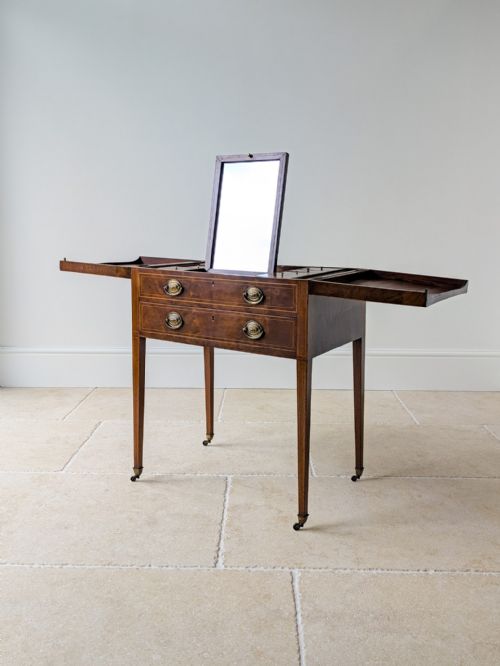
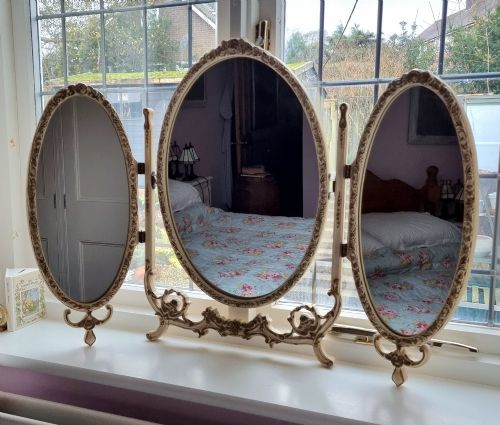
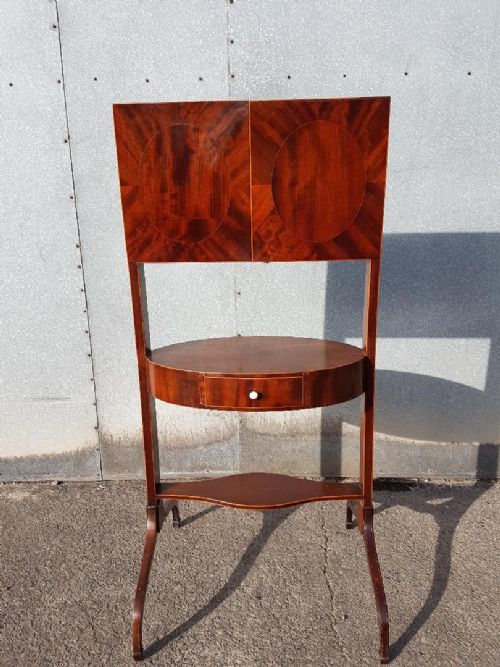
When searching for an antique folding dressing table, buyers encounter a range of forms spanning the Georgian period through to the Art Deco era. These pieces include sophisticated gentleman's vanities with folding top panels, washstands with dual purposes, and versatile cheval or triptych mirrors.
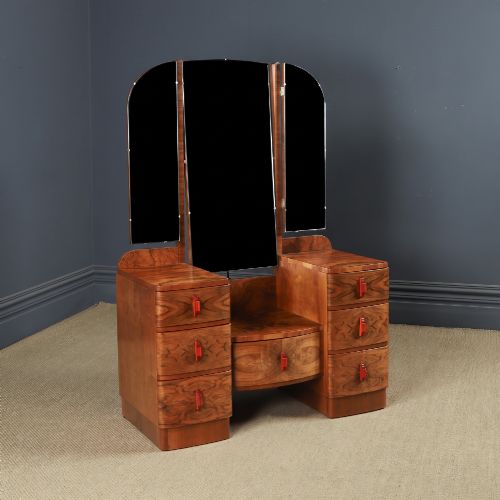
The selections available range from 18th-century mahogany folding tables to 1930s figured walnut pedestals and French provincial designs. Alongside full vanity tables, listings frequently include travelling mirrors and tabletop folding glasses in mahogany, satinwood, and walnut.
Materials and construction methods
Cabinet makers utilised dense hardwoods such as mahogany, walnut, satinwood, and rosewood, often enhanced by decorative crossbanding and inlaid details. Metal hardware including brass hinges, catches, and handles supported the folding mechanisms and mirror pivots.
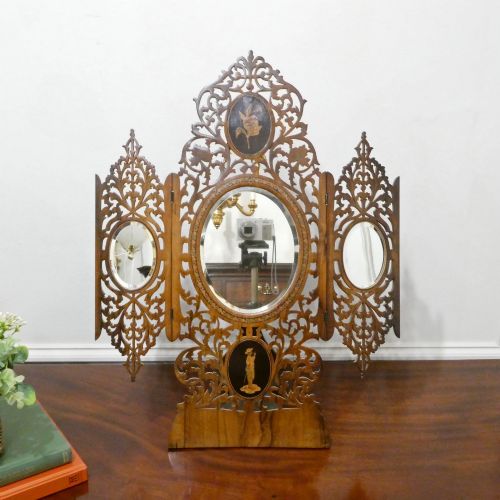
Mirrors incorporated glass plates held within pivoting frames or hinged triptych wings, while washstands combined timber surfaces with marble tops. Construction relied on traditional joinery to accommodate folding flaps, compartments, and sliding drawers.
Antique Folding Dressing Table Retail Price Guide 2026
Typical asking prices for folding dressing table among the pieces listed under this phrase on Sellingantiques today, from the lower quarter to the upper quarter. They describe what is for sale here now, not the wider market.
Listings span from the 18th century through the Georgian and Edwardian periods up to Art Deco 1930s designs, utilising mahogany, walnut, marble, and brass.
Determining quality and execution
Quality rests in the precision of the folding mechanisms and how smoothly hinged flaps, lids, and mirror brackets operate. Superior examples display careful timber selection, such as figured walnut veneers or matched mahogany grains across moving parts.
Refinement shows in the integrity of original brass fittings, the clarity of the glass plates, and the neatness of internal compartment dividers for gentleman's shaving gear or cosmetics.
Heals
The Antique Folding Dressing Table Glossary
- Cheval mirror
- A freestanding full-length mirror mounted on a vertical frame with pivots that allow it to tilt. These tall glasses appeared in bedrooms from the Georgian period onward.
- Triptych mirror
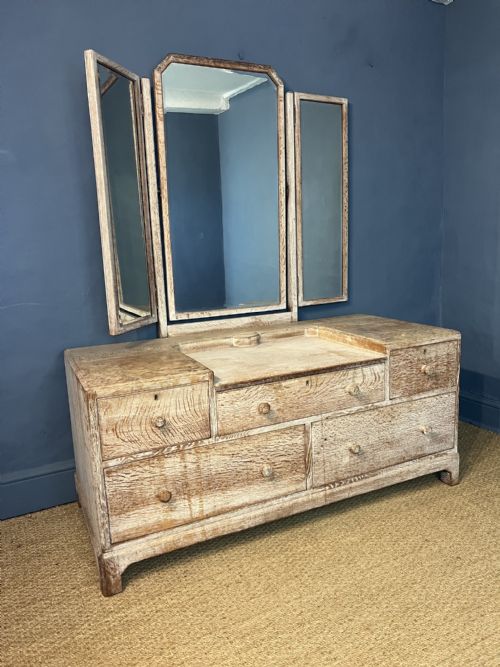
- A three-panel folding mirror where the outer two wings adjust at angles to the central glass. They are commonly found on dressing tables from the Edwardian and Art Deco eras.
- Crossbanding
- A decorative border technique where strips of veneer are laid perpendicular to the grain of the main panel. Cabinet makers used this to frame the tops of fine tables.
- Washstand
- A piece of furniture designed to hold a basin and jug for washing, often incorporating folding tops or marble surfaces. Some dual-purpose examples double as dressing tables.
- Gentleman's vanity
- A compact dressing table equipped with specialised compartments for shaving tackle and razors. These often feature folding lids that conceal the mirror and bowls.
Antique Folding Dressing Table: Frequently Asked Questions
What is an antique folding dressing table?
An antique folding dressing table is a compact piece of furniture designed for grooming, featuring hinged flaps, fold-away mirrors, or concealed compartments.
These pieces were built in various styles from the Georgian era to the 1930s, allowing users to tuck away washing and shaving equipment when not in use.
How do you use a gentleman's vanity?
A gentleman's vanity is operated by lifting the hinged top to reveal an integrated mirror and compartments sized for razors, soaps, and brushes.
Many examples include sliding panels or drawers beneath the main surface for storage of daily accessories.
How do I identify a 1930s dressing table?
Tables from the 1930s frequently display Art Deco styling, utilising figured walnut veneers and clean geometric lines rather than heavy carving.
They often incorporate triptych mirrors with curved glass shapes and matching pedestal drawer units.