




Antique Floral Wall Plate
An antique floral wall plate brings painted botanicals and historic handcraft directly into modern interiors.
Antique Floral Wall Plate
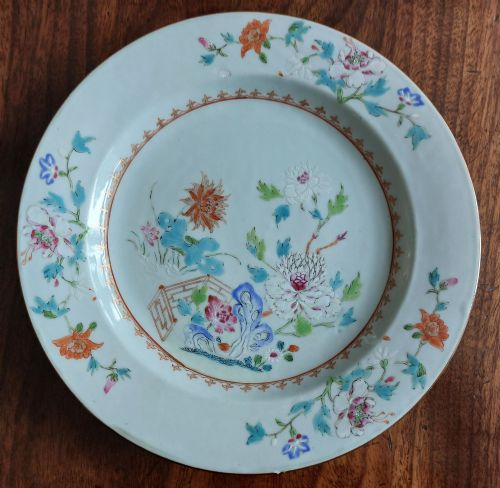
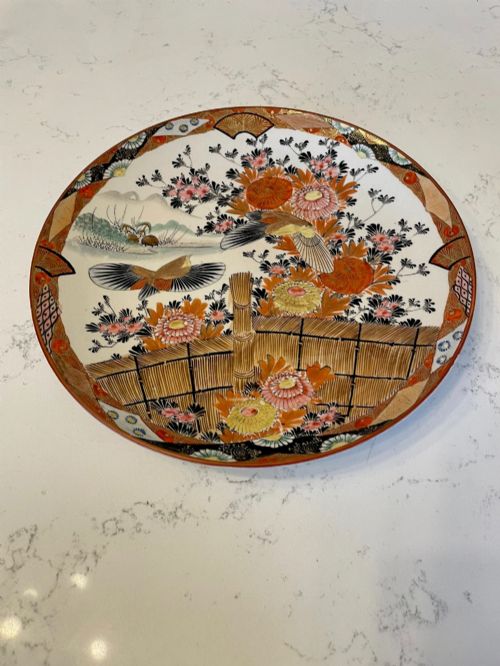
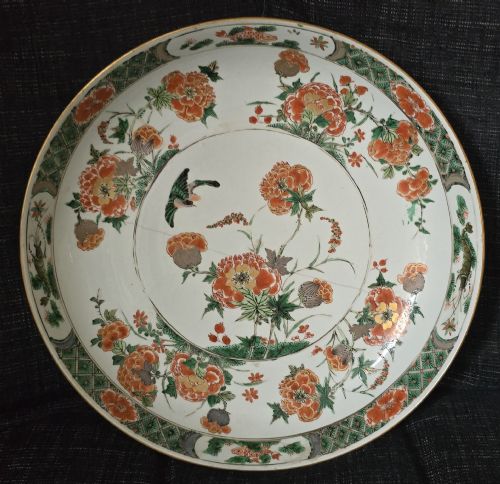
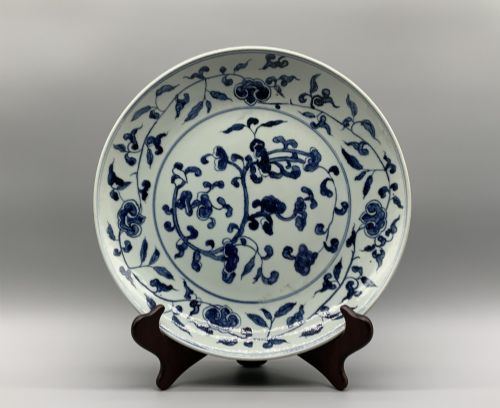
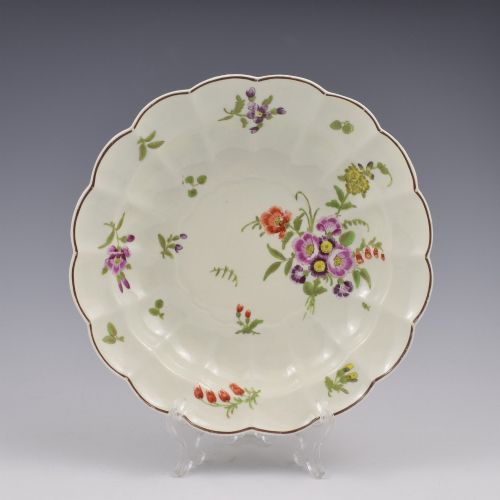
An antique floral wall plate is typically a decorative dish, charger, or bowl created to display botanical or floral motifs in domestic spaces. These pieces span centuries of production, originating from English factories, European porcelain houses, and Japanese kilns.
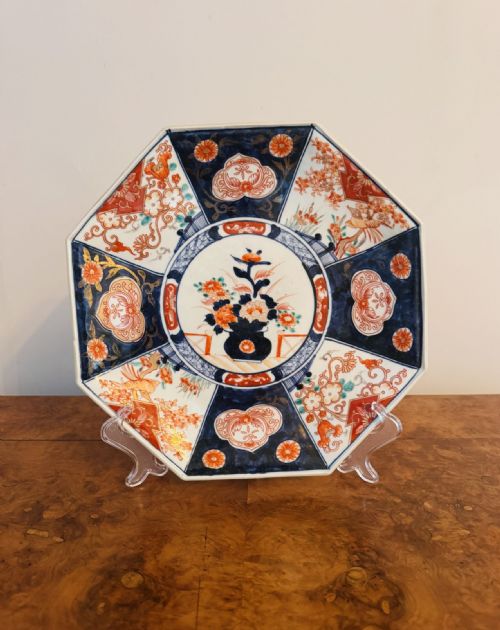
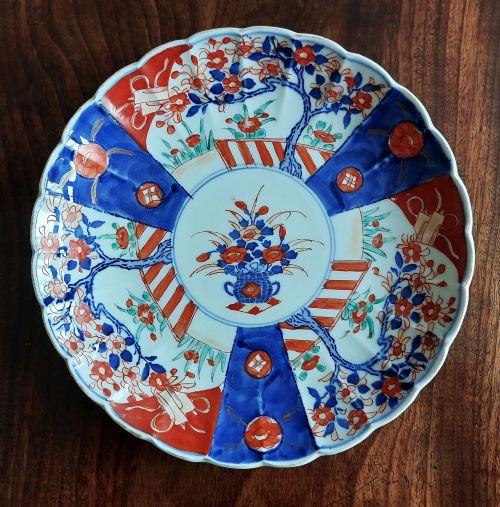
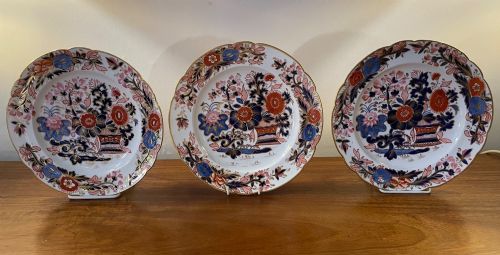
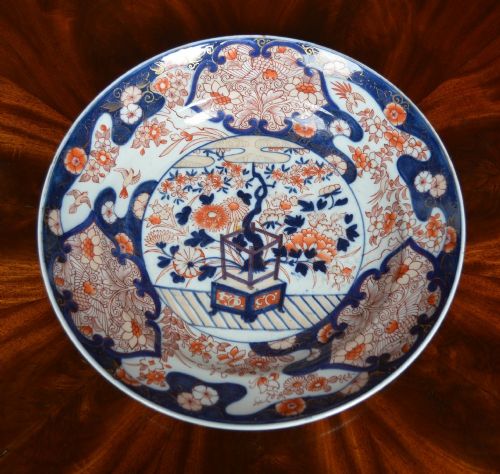
Buyers will most frequently encounter Japanese Imari chargers alongside English earthenware and porcelain plates from the eighteenth and nineteenth centuries. These items range from large display chargers to smaller cabinet plates fitted with patterns of blossoms and leaves.
Materials and Technique
Potters utilised hard paste and soft paste porcelain, earthenware, and ironstone as the primary foundations for these painted designs. Artisans applied cobalt pigment, enamel, and gold leaf by hand, often securing the decoration beneath or above a clear glaze.
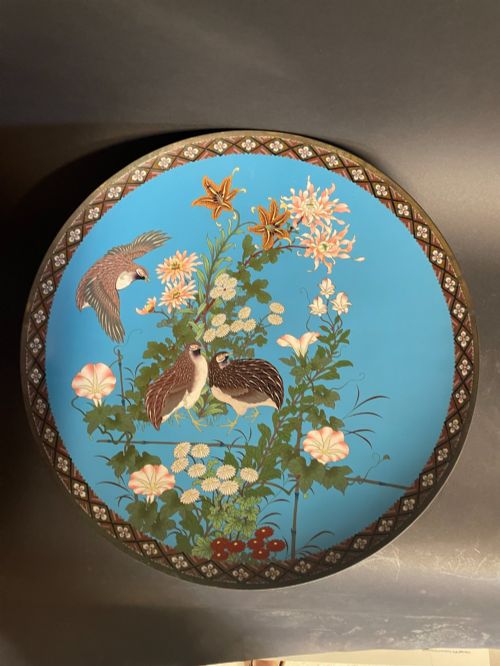
Cloisonne pieces employ copper or brass bases fitted with thin metal wires that form cells for coloured enamel pastes. Firing in kilns fuses these vitreous powders into hard, glossy surface patterns depicting chrysanthemums, peonies, and wisteria.
Some nineteenth-century Japanese cloisonne plates tuck tiny copper frogs and butterflies quietly among blooming chrysanthemums.
Craftsmanship and Execution
Quality rests in the precision and depth of the hand-painted brushwork applied across the porcelain or earthenware surface. Superior examples display crisp botanical details, controlled pigment application, and well-balanced compositions that remain sharp and clear.
The sophistication of the glaze and the refinement of the ceramic body separate standard production items from masterworks. Clean firing without surface distortion and richly saturated enamels indicate superior execution by the maker.
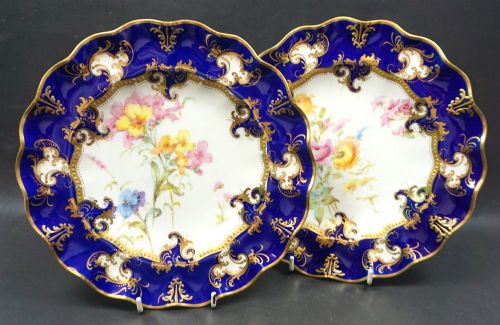
Royal Crown Derby·John Davenport of Longport·Pucher Deroche
The Antique Floral Wall Plate Glossary
- Charger
- A large decorative plate traditionally used for display rather than dining. These substantial dishes often measure well over twelve inches across and occupy a prominent position on walls or cabinet tops.
- Imari
- A traditional Japanese style of porcelain featuring iron red, cobalt blue, and gold highlights. The palette creates vibrant contrast across floral and geometric surface patterns.
- Cloisonne
- A metalworking technique where enamel pastes fill compartments created by soldered wire strips. Firing melts the glass powder into smooth decorative fields of colour.
- Ironstone
- A heavy, durable type of earthenware patented in the nineteenth century. It provides a robust alternative to porcelain while accepting colourful transfer-printed or hand-painted botanical motifs.
- Delftware
- Tin-glazed earthenware produced in England and the Netherlands during the seventeenth and eighteenth centuries. The opaque white surface typically receives blue or polychrome painted decoration.
Antique Floral Wall Plate: Frequently Asked Questions
How do I hang a wall plate safely?
Utilise a spring-loaded brass plate hanger that grips the rim securely without causing structural damage to the ceramic body. Ensure the wall fixing is anchored firmly into plaster or studwork to support the weight of larger chargers.
Check the tension of the springs periodically to make certain the dish remains held fast within the metal prongs. Avoid wire adhesives that attach directly to the unglazed footring of historic pottery.
What is the difference between Imari and Satsuma?
Imari wares feature hard porcelain bodies decorated with deep cobalt blue, iron red, and gold pigments in striking geometric and floral arrangements. Satsuma wares utilise an earthenware body covered in a fine crackle-glaze finished with polychrome enamel and raised moriage details.
Imari plates possess a ringing resonance when tapped lightly, whereas Satsuma pieces produce a more muted sound due to the softer earthenware composition.
How do I identify eighteenth-century plates?
Examine the unglazed footring for signs of kiln grit, firing scars, and the natural ageing of the ceramic paste. Eighteenth-century pieces often display slight asymmetries and hand-mixed pigments that reveal the touch of early manufacturing.
Consult known factory marks from periods such as the Kangxi reign or Worcester porcelain eras to confirm production dates. Compare the potting thickness and weight against authenticated museum examples from the same decade.