




Antique Floral Upholstery Chair
An antique floral upholstery chair brings pattern and comfort into a room, offering nineteenth-century craftsmanship combined with decorative textile covers.
Antique Floral Upholstery Chair
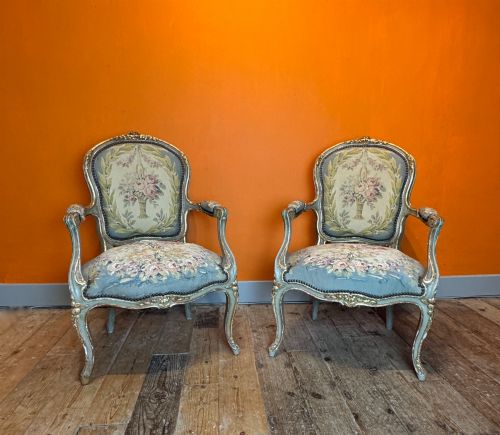
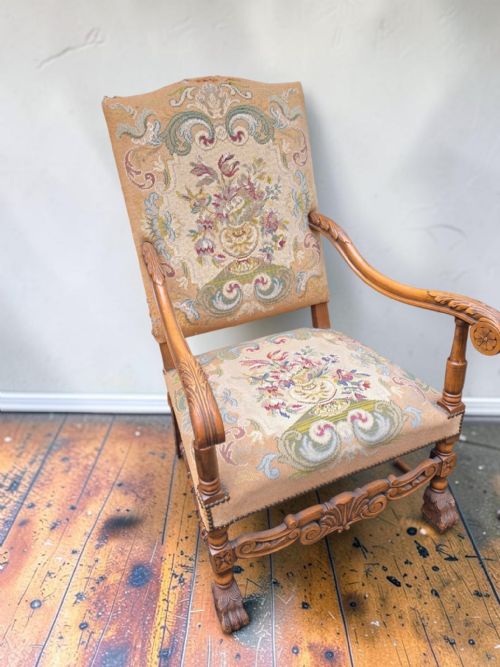
Buyers encounter pieces featuring various timber frames alongside distinct textile coverings such as tapestry and velvet. These seats originate from English country houses and French salons, presenting styles from plain country frames to ornate revival designs.
How they were made
Frames rely on hardwoods including mahogany, walnut, oak, and hardwood, frequently shaped with traditional joinery. Metal elements such as brass or iron appear in structural framing and castors.
Upholstery techniques utilise decorative fabrics like tapestry and velvet applied over sprung or padded foundations. Certain pieces feature painted and parcel gilt surfaces or inlaid wood details on the structural framework.
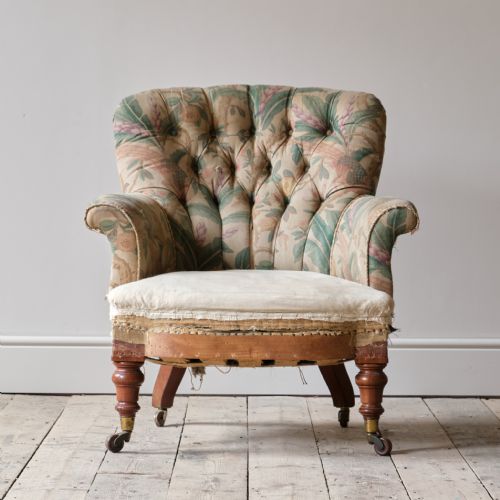
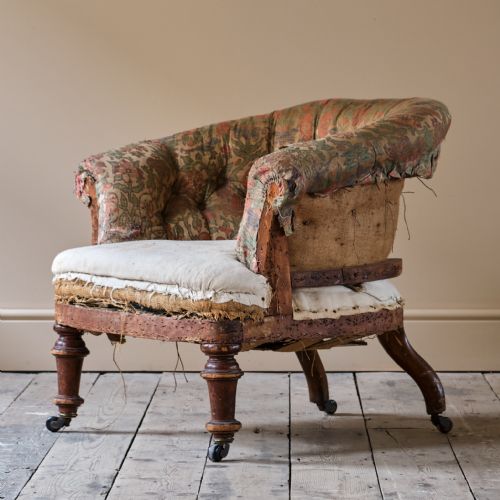
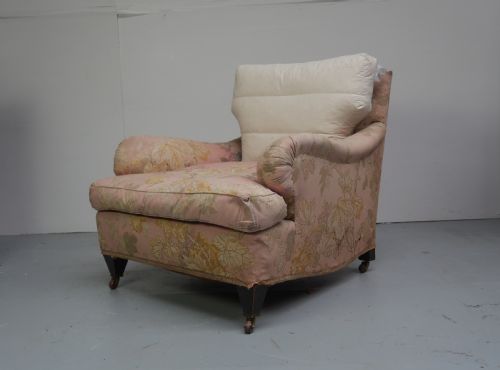
Several chairs wait patiently for re-upholstery, dreaming of new floral garments.
What varies in quality
Quality depends upon the integrity of the underlying timber frame and the precision of its construction. Solid mahogany and walnut structures demonstrate superior durability compared to simpler hardwood carcasses.
The sophistication of the stylistic carving, such as giltwood detailing or inlaid mahogany, separates standard production from finer examples. Original textile covers and enduring frame stability further distinguish the pieces.
Howard and Sons·Hindley and Sons·William Morris
The Antique Floral Upholstery Chair Glossary
- Tapestry
- A heavy hand-woven or jacquard-woven fabric featuring pictorial or floral designs. It provides a durable and decorative surface for traditional armchair upholstery.
- Prie-Dieu chair
- A low devotional chair featuring an upright back designed for kneeling and prayer. Victorian examples frequently utilise walnut frames and upholstered pads.
- Parcel gilt
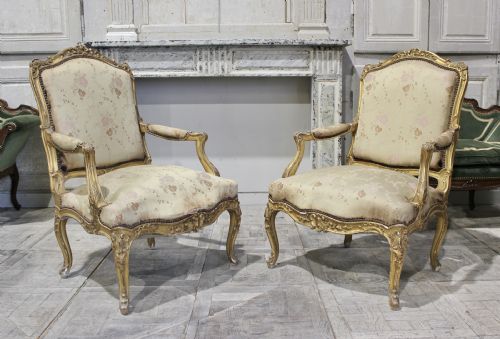
- A decorative technique where specific carved details on a wooden frame are partially covered in gold leaf. This finish highlights decorative woodwork on nineteenth-century French armchairs.
- Boudoir chair
- A small, comfortable upholstered chair designed for private chambers. Edwardian examples often feature inlaid mahogany frames and decorative fabric covers.
Antique Floral Upholstery Chair: Frequently Asked Questions
How do I identify a Victorian armchair?
Victorian armchairs often display dark timber frames in walnut or mahogany, with robust sprung upholstery and button-backed designs. Iron frames and heavier proportions also characterise this mid-nineteenth-century period.
Examining the undercarriage and joinery helps confirm the nineteenth-century origin, distinguishing these sturdy seats from later Edwardian reproductions.
What is a boudoir chair used for?
A boudoir chair served as a smaller, movable seat for private sitting rooms or bedrooms during the Edwardian era. These compact pieces offered comfortable seating without dominating smaller spaces.
Their lighter scale makes them versatile accent seats in modern interiors today.
Are French armchairs different from English ones?
French armchairs frequently feature lighter carved woodwork, including painted and parcel gilt surfaces or exposed giltwood frames. Styles like French Louis XV revival emphasise curved lines and ornamental floral upholstery.
English country house chairs tend to prioritise deep-seated comfort and understated hardwood frames over ornate carving.
How should I care for antique upholstery?
Protect antique tapestry and velvet fabrics from direct sunlight to prevent fading of the floral colours. Gentle vacuuming with a soft brush attachment removes surface dust without damaging the textile fibres.
Consult a specialist restorer if the internal padding or structural webbing requires maintenance.