


Antique Floral Table Urn
An antique floral table urn brings botanical painting and sculptural form together on a surface, offering a decorative focal point for a room.

Antique Floral Table Urn
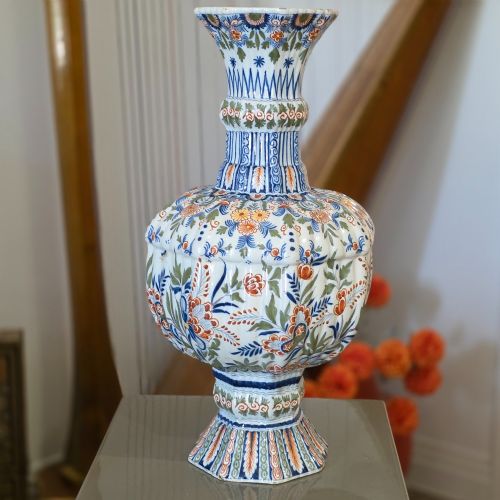
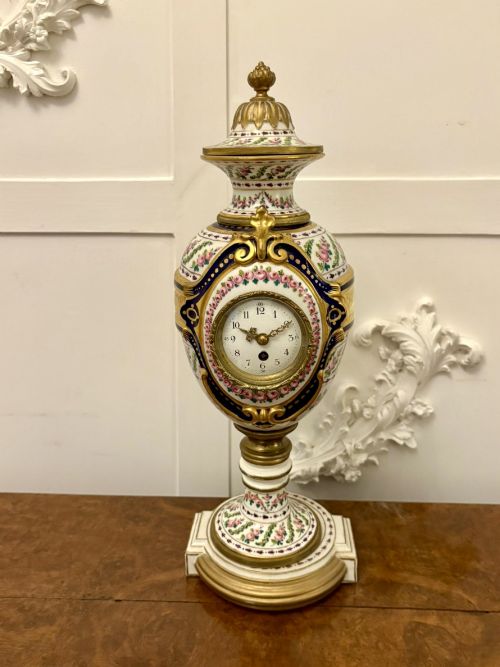
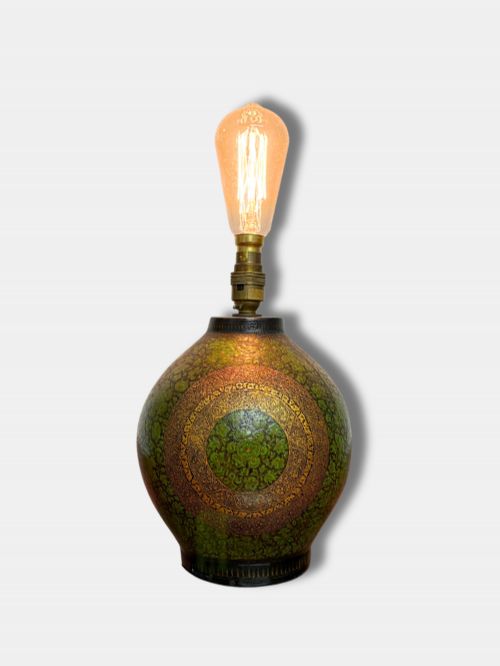
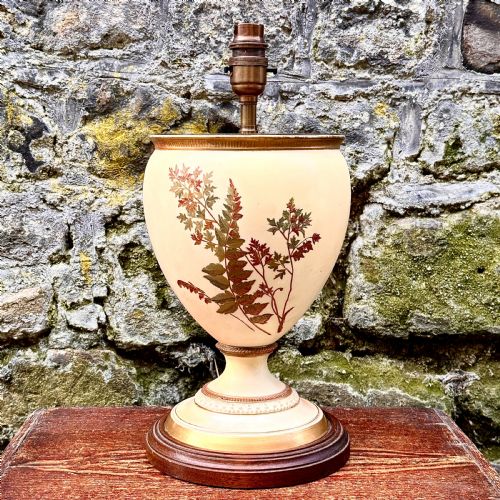
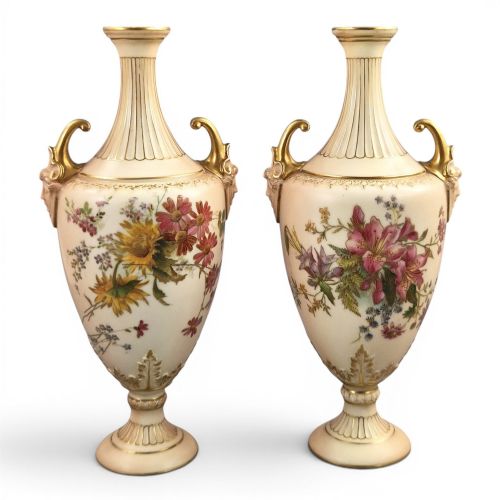
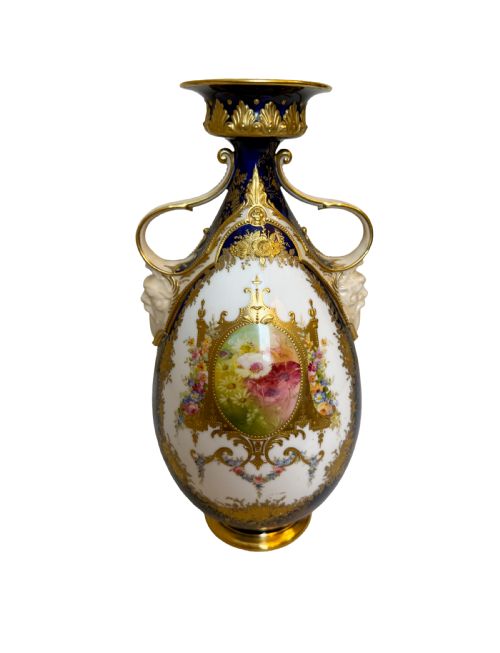
An antique floral table urn typically combines porcelain, ceramic, or metal bodies with painted or chased botanical motifs, designed to sit upon tables, pedestals, or mantelpieces. Buyers encounter numerous variations on this page, ranging from nineteenth-century porcelain vessels and earthenware vases to converted lamps and cast metal urns.
The selection spans several distinct aesthetic traditions, including British porcelain works, French decorative styles, and Asian export pieces. Production dates stretch from the Victorian and Edwardian eras back into the broader nineteenth century, reflecting varied domestic display uses across decades.
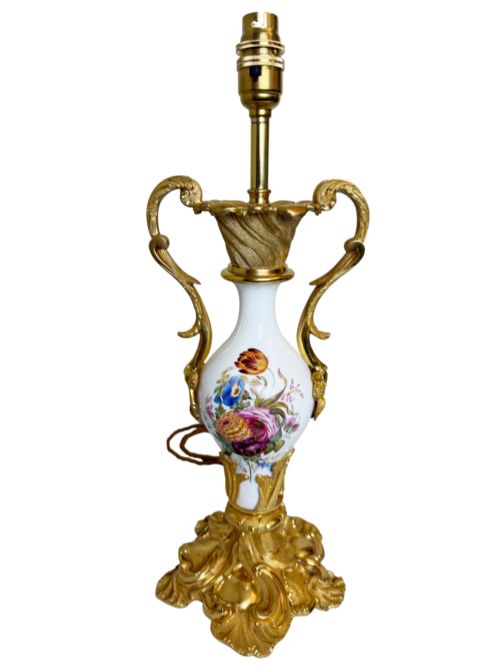
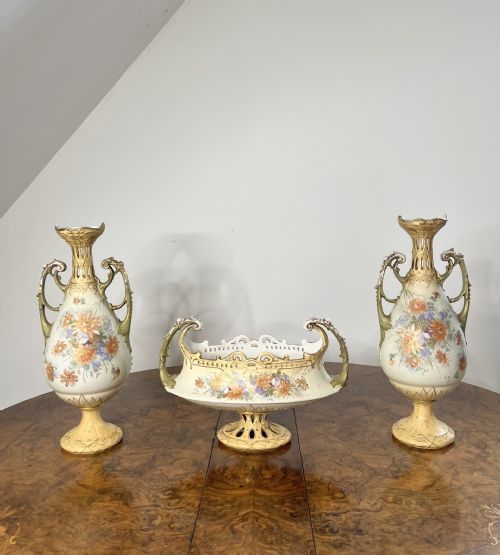
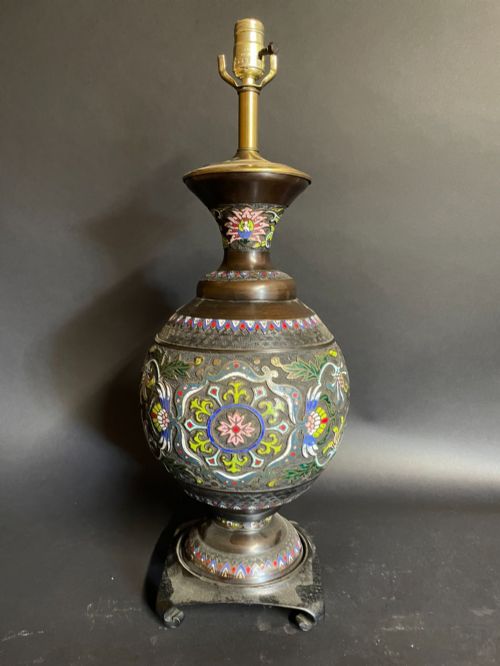
Forms cross over between traditional lidded vases, garniture components, and vessel-shaped lamps wired for modern use. The floral decoration might take the form of hand-painted rose panels, polychrome enamel bouquets, or chased metal foliage.
What varies in quality
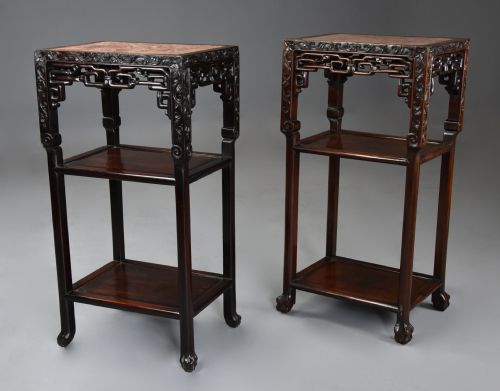
The refinement of the hand-painted botanical detail dictates much of the visual success, distinguishing mass-produced transfer designs from delicate, individually brushed floral studies by skilled factory artists. Crispness in the chasing of metal urns or precision in the turning of wooden display stands similarly separates standard domestic items from superior workshop output.
Materials and structural integrity define the baseline. Heavy cast bronzes, solid hardwoods, and unblemished porcelain bodies with intact gilding represent higher standards of period craftsmanship compared to lighter plated metals or heavily restored ceramic bodies.
Several nineteenth-century makers painted flowers with such botanical accuracy that modern horticulturists can identify the exact nineteenth-century garden roses depicted.
Royal Worcester·Royal Doulton·Miles Mason·Moser
The Antique Floral Table Urn Glossary
- Urn
- A vase-shaped vessel, often with a pedestal foot and handles, historically used for decorative display or storage.
- Chasing
- A metalsmithing technique where designs are hammered and pushed into the front surface of metal rather than engraved away.
- Enameled
- Decorated with a melted glass powder fused to a metal or ceramic surface under high heat, creating durable coloured patterns.
- Gilt
- Covered with a thin layer of gold leaf, paint, or liquid gold wash to give the appearance of solid gold.
- Garniture
- A matched set of ornamental vases or urns, typically numbering three or five pieces, designed to sit together on a mantelpiece.
Antique Floral Table Urn: Frequently Asked Questions
How were table urns used historically?
These vessels served primarily as decorative ornaments on side tables, mantelpieces, and occasional furniture within formal nineteenth-century interiors. Many were purely aesthetic focal points, while others formed part of matching garniture sets designed to fill architectural hearth spaces.
Over time, some urns were adapted into functional lighting fixtures, receiving electrical fittings while retaining their decorative ceramic or bronze bodies for tabletop illumination.
How do I tell Victorian pieces from Edwardian ones?
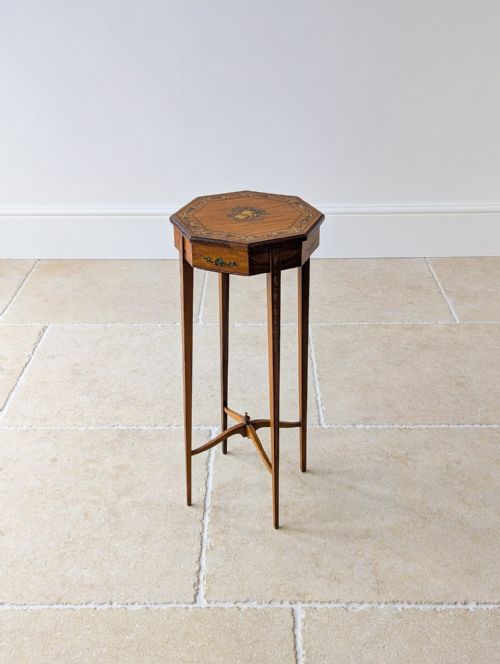
Victorian examples often favour heavier proportions, deep colours, and rich gilding, reflecting mid-to-late nineteenth-century tastes for ornate ornamentation. Edwardian pieces frequently lean towards lighter satinwood supports, more delicate floral palettes, and neoclassical revival influences.
Examining the underlying body materials, registration marks, and base construction helps clarify the precise manufacturing era.
Can I use an antique table urn as a lamp?
Many surviving urns arrive already converted into table lamps from earlier decades, preserving the original ceramic or bronze body while adding modern electrical wiring. Unconverted vessels can sometimes be professionally adapted, though purists prefer to keep fragile nineteenth-century porcelain and enamel finishes in their original, unmodified state.
How do I care for hand painted porcelain?
Dust porcelain surfaces gently with a dry, soft cloth to protect delicate overglaze enamel work and gold leaf highlights. Avoid harsh chemical cleaners or submersion in water, as nineteenth-century pigments and gilt details can easily abrade over time.