




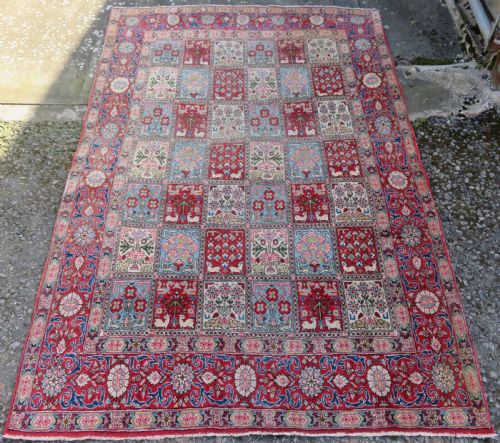


Antique Floral Pattern Design
Antique floral pattern design pieces bring centuries of botanical and ornamental artistry into your home through textiles, ceramics, and framed prints.
Antique Floral Pattern Design
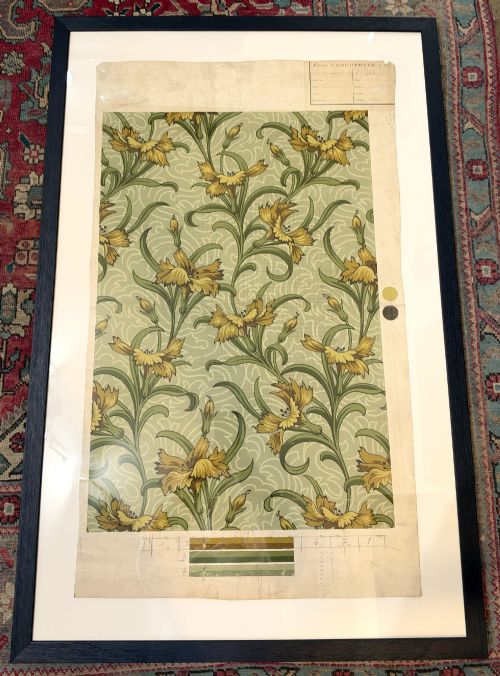
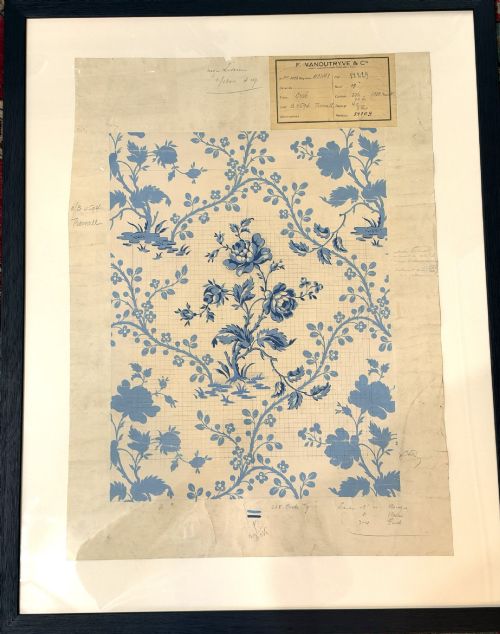
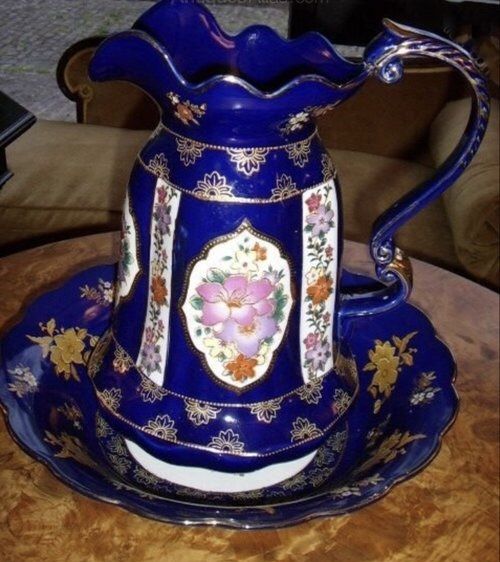
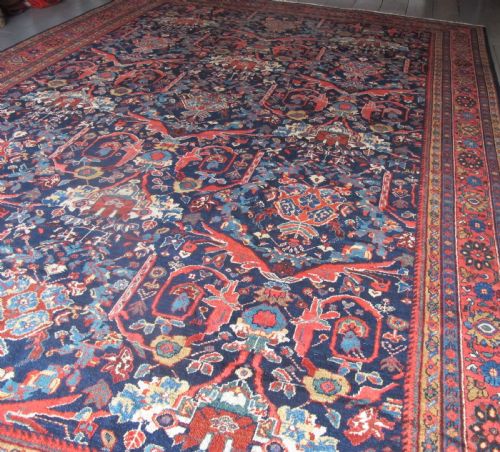
When searching for antique floral pattern design, collectors encounter a diverse array of objects spanning the nineteenth and twentieth centuries. These pieces range from substantial Persian carpets and Caucasian rugs to delicate porcelain washstand sets and framed gouache or lithograph artwork.
The assortment on this page most frequently highlights woven floor coverings and decorative ceramics featuring botanical motifs. Regional styles such as Kashan, Shirvan, and Baktiari predominate among the textiles, while British pottery represents the ceramic offerings.
How They Were Made
Textiles in this selection utilise natural wool and cotton foundations, knotted or woven by hand to create intricate floral lattices and garden scenes. Dyes derived from natural sources provide the deep pigments seen in the rugs and carpets.
Ceramics employ glazed earthenware and porcelain bodies decorated with hand-painted floral designs or cobalt blue glazes. Framed works utilise paper, ink, gouache, and lithography housed within traditional wood frames.
Antique Floral Pattern Design Retail Price Guide 2026
Typical asking prices for floral pattern design among the pieces listed under this phrase on Sellingantiques today, from the lower quarter to the upper quarter. They describe what is for sale here now, not the wider market.
One framed artwork preserves the exact tile designs from the Besiktas Kiosk along the Bosphorus.
What Varies in Quality
The standard of a piece depends largely on the precision of the design execution and the harmony of the palette. Finer examples display meticulous control over botanical details, whether hand-knotted into a wool pile or hand-painted onto a porcelain jug.
Material selection also dictates overall grade, with tightly spun wool and high-grade porcelain separating superior items from simpler domestic wares. The crispness of lithographic printing or the depth of a cobalt glaze further distinguishes finer artistic efforts.
The Antique Floral Pattern Design Glossary
- Mina Khani Design
- A traditional Persian textile pattern featuring a repeating layout of daisy-like flowers linked by delicate vines. This symmetrical arrangement appears frequently in Khorasan and other regional rugs.
- Lithograph
- A printmaking technique based on the chemical repulsion of oil and water, used to reproduce detailed tile designs and artwork on paper. It allows for sharp lines and subtle tonal gradations.
- Kilim
- A flatwoven carpet or rug produced without a pile, resulting in a lightweight textile with crisp geometric and floral motifs. These pieces serve primarily as floor coverings or decorative wall hangings.
- Charger
- A large decorative plate or dish intended for display rather than serving food. Ceramic examples often showcase prominent painted floral centrepieces.
- Gouache
- An opaque water-based paint medium consisting of pigment, water, and a binding agent such as gum arabic. It yields flat, saturated areas of colour well suited to botanical illustration.
Antique Floral Pattern Design: Frequently Asked Questions
How do I clean an antique rug?
Regular gentle vacuuming without a beater bar removes surface dust and prevents fibre damage.
Professional specialist cleaning is recommended for deep washing to protect natural wool and dyes.
Where were these rugs made?
Many originate from weaving centres across Persia, including Khorasan, Kashan, and Baktiari.
Others hail from the Caucasus, such as Shirvan, reflecting distinct regional dyeing and knotting traditions.
How do I hang a framed artwork safely?
Ensure the wall fixings match the weight of the wood frame and glass housing.
Position pieces away from direct sunlight to prevent the fading of ink, gouache, and paper.
Can I use porcelain washstand sets daily?
These decorative ceramic items are generally intended for display rather than robust daily utility.
Hand washing in lukewarm water preserves the cobalt blue glaze and delicate painted flower designs.