



Antique Floral Painted Panels
Antique floral painted panels bring botanical art directly onto wood, glass, canvas and leather across rooms of the nineteenth and early twentieth centuries.
Antique Floral Painted Panels
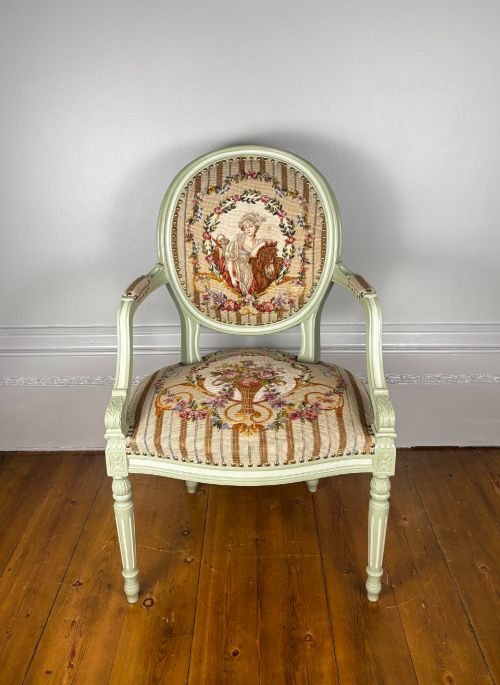
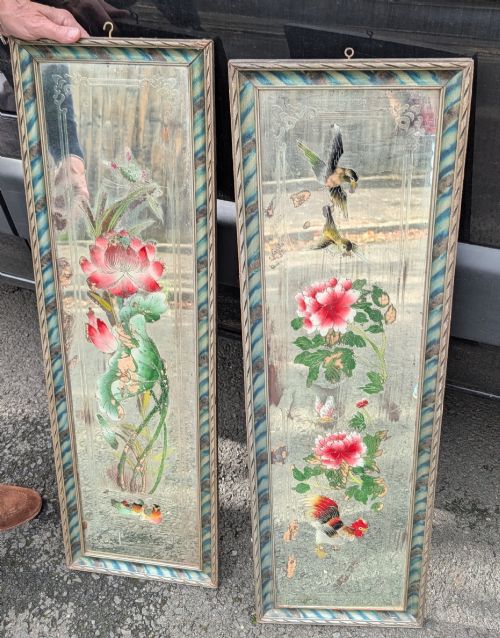
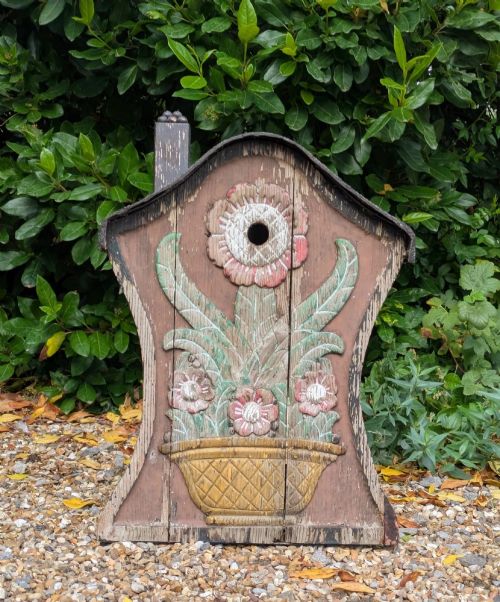
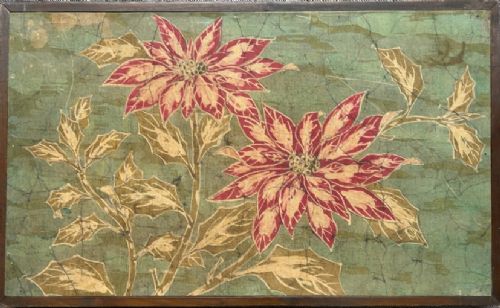
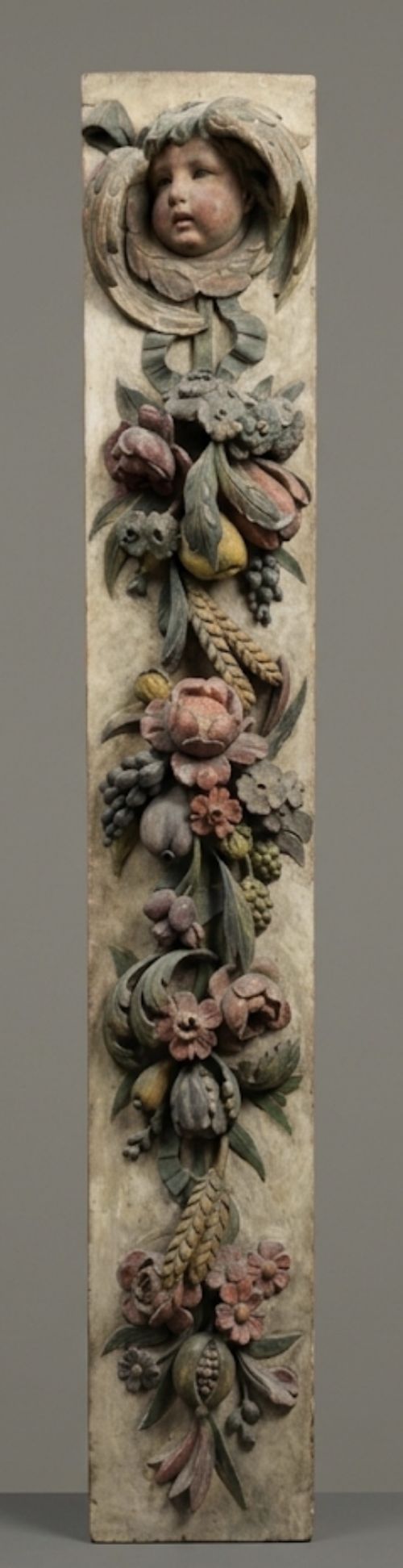
When you search for antique floral painted panels, you encounter a diverse group of objects spanning the eighteenth, nineteenth, and early twentieth centuries. These pieces encompass folding room dividers, wall mirrors, stained glass windows, and standalone paintings on wood or board.
Origins vary across Britain, France, the Netherlands, Sweden, Italy, China, and Japan, showing how different regional workshops applied botanical decoration to diverse surfaces. Whether set into a commode, framed as a wall mirror, or expanded across a four-fold screen, the central motif remains painted flowers and foliage.
How they were made
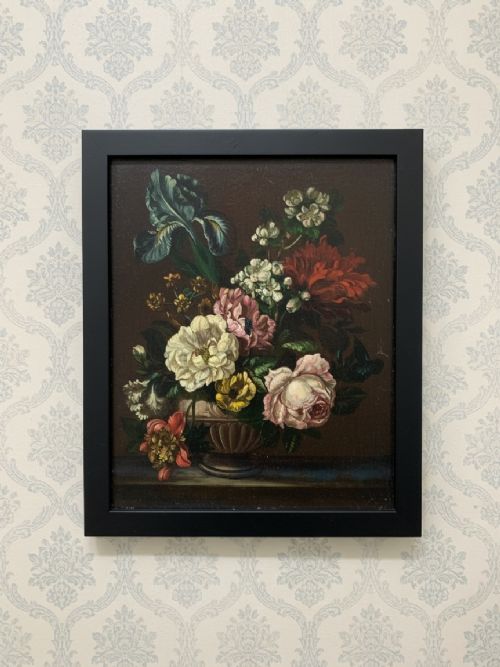
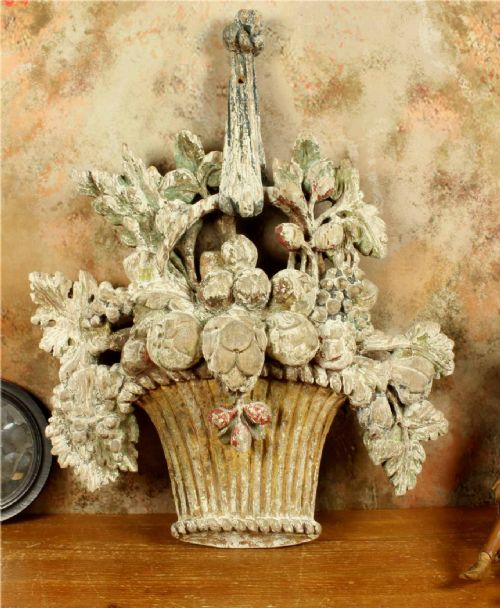
Maker's workshops applied oil paint, tempera, and polychrome decoration directly onto wood panels, canvas, and leather, sometimes enriching the surfaces with gold leaf. Wood carvings and frames utilise walnut, satinwood, and ebonised timber, providing structural support for the delicate painted scenes.
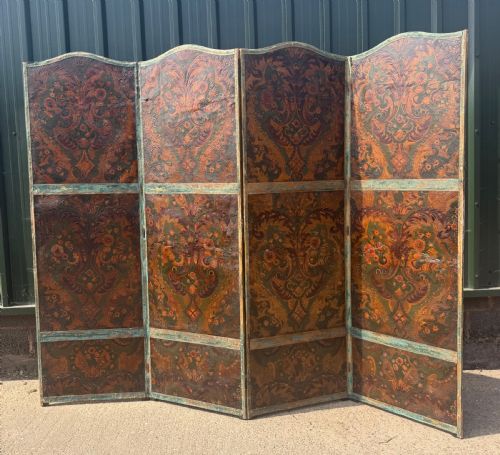
Stained glass windows combine lead cames with hand-painted floral designs, amber bullseyes, and etched glass techniques. Leather screens receive tooling and hand-painted pigments to emulate rich eighteenth-century precedents.
Cabinetmakers and artists integrated these painted panels into furniture, mirrors, and doors, using gilt accents and brass hardware to complete the composition.
Antique Floral Painted Panels Retail Price Guide 2026
Typical asking prices for floral painted panels among the pieces listed under this phrase on Sellingantiques today, from the lower quarter to the upper quarter. They describe what is for sale here now, not the wider market.
Listings feature wood, glass, and leather as primary substrates for botanical artwork across the Victorian and Edwardian periods.
What varies in quality
The skill of the brushwork largely defines the distinction between standard decorative items and exceptional artistic works. Finer panels display nuanced shading in floral petals, precise botanical accuracy, and balanced composition, whereas lesser examples rely on repetitive, stiff motifs.
Material integrity and the preservation of original pigments also separate pieces. Intact leaded glass, stable wood panels free from warping, and original painted leather without excessive flaking command greater appreciation.
The integration of the panel within its object matters significantly. Harmonious framing, sophisticated joinery, and period-correct hardware indicate higher atelier standards.
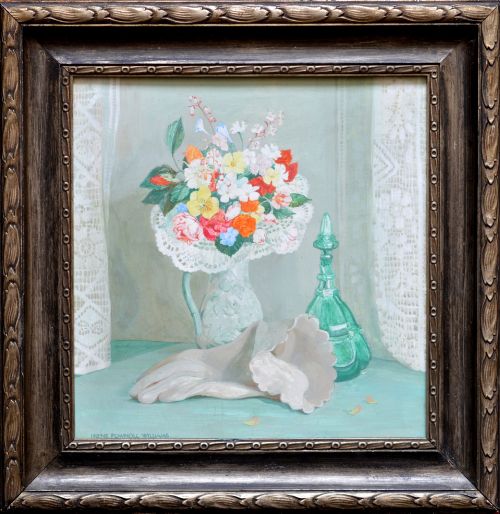
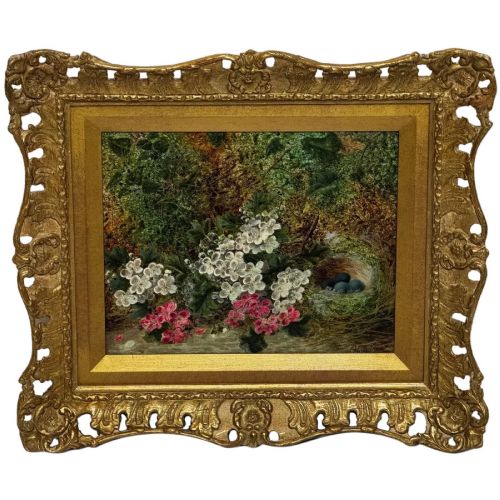
Irene Christobelle Pownoll Williams·Oliver Clare
The Antique Floral Painted Panels Glossary
- Polychrome
- Decorated in multiple colours. This term describes painted wooden panels, ceramics, and screens featuring varied pigment palettes.
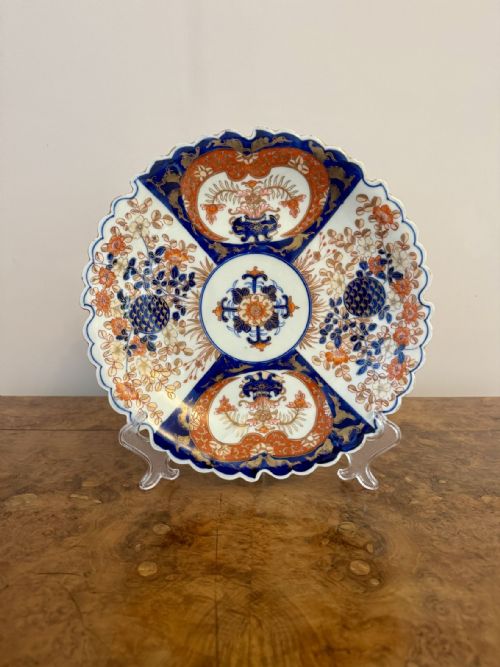
- Imari
- A style of Japanese porcelain and decorative arts. Pieces display characteristic blue, iron-red, and gilt floral or patterned designs.
- Tempera
- A permanent, fast-drying painting medium consisting of coloured pigment mixed with a water-binder. Artists utilised this for fine panel paintings.
- Overmantle
- A large mirror or painting designed to sit directly above a fireplace mantel. These frequently incorporate painted panels or gilt frames.
- Demi-lune
- Half-moon shaped. This term applies to commodes and tables that feature curved fronts and sometimes inset painted panels.
Antique Floral Painted Panels: Frequently Asked Questions
How do I clean an antique painted leather screen?
Dust the surface gently with a soft, dry cloth to prevent abrasive particles from scratching the delicate pigments. Avoid all liquid cleaners, modern detergents, and excessive moisture, which can damage aged leather and lifting paint.
Consult a professional conservator if the leather requires deep conditioning or stabilisation. Keeping the screen away from direct sunlight and dramatic humidity shifts protects the painted floral details from further fading.
Where were folding painted screens used historically?
Large multi-fold screens served practical purposes in country houses and drawing rooms, dividing large spaces to create intimate seating areas. They also blocked drafts near doors and windows before central heating became common.
Beyond utility, these screens functioned as decorative focal points, introducing colour and botanical artistry into domestic interiors without requiring permanent architectural changes.
Are painted glass windows meant for exterior walls?
Most antique stained and painted glass windows on this page were designed for interior transoms, room dividers, or protected exterior settings. Placing them against harsh weather without secondary glazing can compromise the lead cames and hand-painted details.
When hung indoors against a light source, these windows reveal the full depth of their painted floral designs and amber bullseyes.
What is the difference between oil on panel and canvas screens?
Oil on panel works involve rigid wooden or board supports that maintain a stable surface for detailed still life paintings. These pieces typically hang on walls as standalone fine art.
Canvas and leather screens utilise flexible substrates stretched across folding wooden frames, designed to articulate and move while accommodating decorative polychrome schemes.