


Antique Floral Metal Bowl
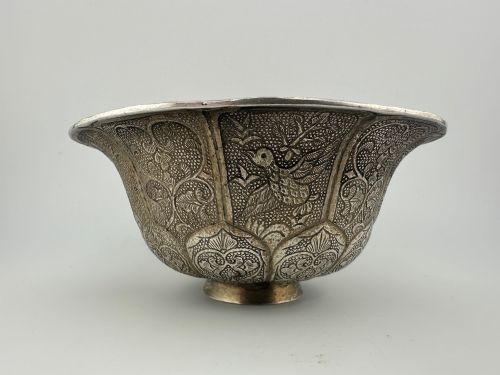
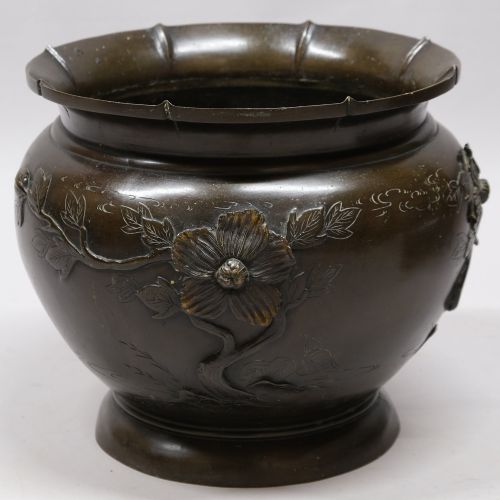
These antique floral metal bowl examples bring together intricate foliage and heavy cast metal from the nineteenth century and earlier.
Antique Floral Metal Bowl
An antique floral metal bowl encompasses a broad range of vessels, from small desk pots and lidded pieces to large garden planters and tazzas. These items serve decorative and functional roles, often featuring chased, enamelled, or cast floral motifs across the surface.
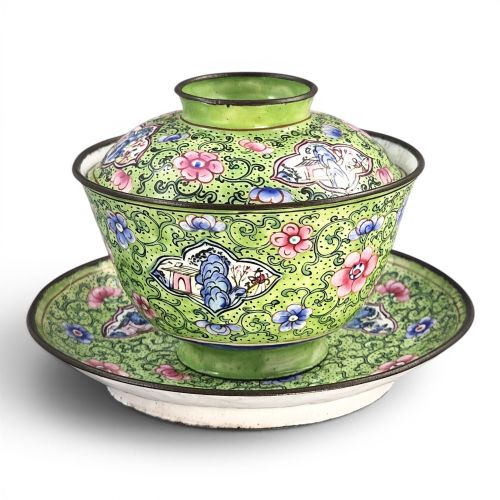
The pieces on this page span the nineteenth century and the Edwardian period, alongside items from the Qing dynasty and Meiji period. Buyers will frequently encounter Japanese cloisonné enamels and Chinese export bronze vessels decorated with birds and foliage.
Forms vary from footed bowls and jardinières to tea ware and decorative vessels. The construction relies heavily on durable metals like copper, brass, and bronze, often enhanced with polychrome enamel work.
How they were made
Artisans formed the underlying structure using metals such as bronze, copper, brass, and white metal, frequently shaping them through casting or hammering. Vessels like jardinières and planters required substantial metal thickness to support their weight and contents.
Decoration often involved cloisonné and plique-à-jour enamel techniques, where thin wire compartments held coloured glass pastes before firing. Painters also applied enamel directly to metal surfaces, or decorated tôleware pieces with painted botanical scenes.
Among the heavier vessels, one large bronze bowl tips the scales at a sturdy two and a half kilos.
What varies in quality
Quality rests on the precision of the metalwork and the clarity of the enamel designs. Finer pieces display crisp botanical details, such as distinct peony or foliage rendering, without blurring or pitting in the fired enamel cells.
The weight and stability of the vessel also indicate standard, as heavier bronze and cloisonné bowls demonstrate substantial material use. Furthermore, the complexity of the decorative scheme, ranging from simple bird motifs to elaborate multi-coloured floral scenes, separates standard items from exceptional ones.
The Antique Floral Metal Bowl Glossary
- Cloisonne Enamel
- A technique where metal wires form raised cells on a metal body to hold coloured enamel paste before firing. This method creates distinct patterns of flowers and birds.
- Jardiniere
- A large ornamental pot or bowl designed to hold plants or flowers. These items appear in bronze, brass, and cloisonné.
- Tazza
- A shallow bowl or cup mounted on a stem and foot, often used for display. Examples occur in metal and enamel from the nineteenth century.
- Plique-a-jour
- An enamelling technique similar to cloisonné where the enamel has no backing, allowing light to shine through the translucent coloured glass. This delicate method appears in twentieth-century pieces.
- Toleware
- Lacquered or enamelled sheet metalware, typically painted with floral designs. These functional vessels date across the nineteenth century.
Antique Floral Metal Bowl: Frequently Asked Questions
What is an antique floral metal bowl used for?
These vessels serve primarily as decorative objects for display on tables, desks, or mantelpieces. Larger examples function as jardinières or planters for holding botanical arrangements.
Smaller pieces suit use as lidded bowls or desk pots. Their durable metal construction allows them to hold dry items or small accessories safely.
What metals are used in these bowls?
Artisans utilised bronze, brass, copper, and white metal to form the structural bodies of these vessels. Heavier items often consist of solid cast bronze or thick copper.
Surface enrichment frequently incorporates enamel, gilt bronze, and painted decoration to create the floral and avian imagery.
How do I care for an antique metal bowl?
Maintain the metal body by dusting gently with a soft cloth to prevent grime accumulation. Avoid abrasive cleaning agents that can damage patinated surfaces or delicate enamel work.
Keep cloisonné and enamelled pieces away from direct moisture and extreme temperature changes to protect the glass paste inlay.