


Antique Floral Jardiniere
An antique floral jardiniere brings sculptural plant display indoors, pairing decorative ceramics or metal bowls with period stands for living spaces.
Antique Floral Jardiniere
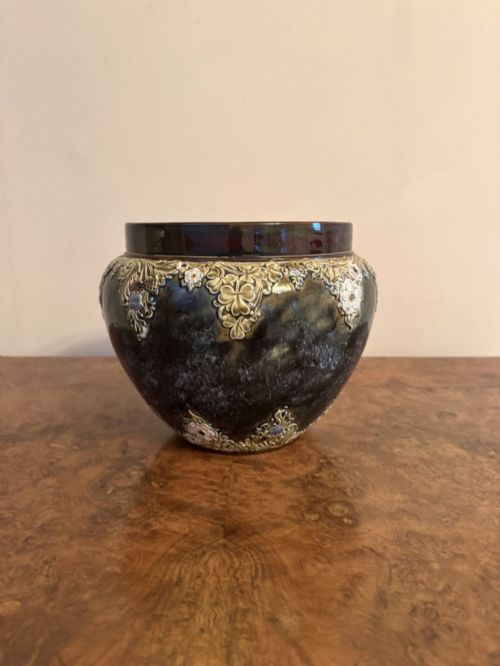
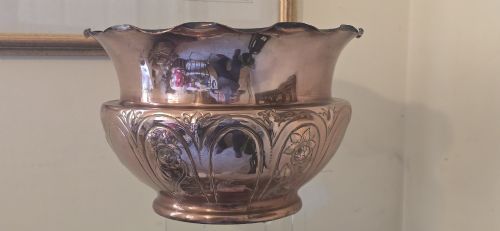
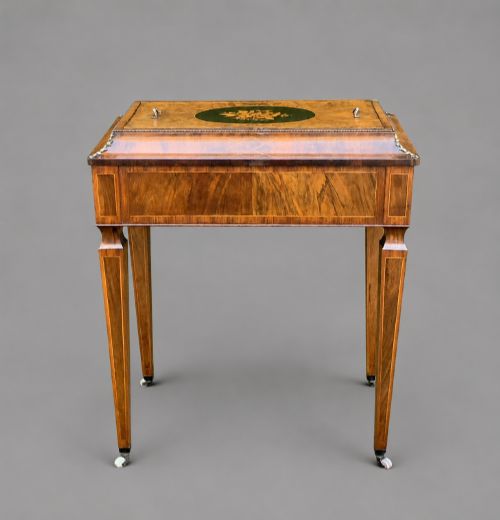
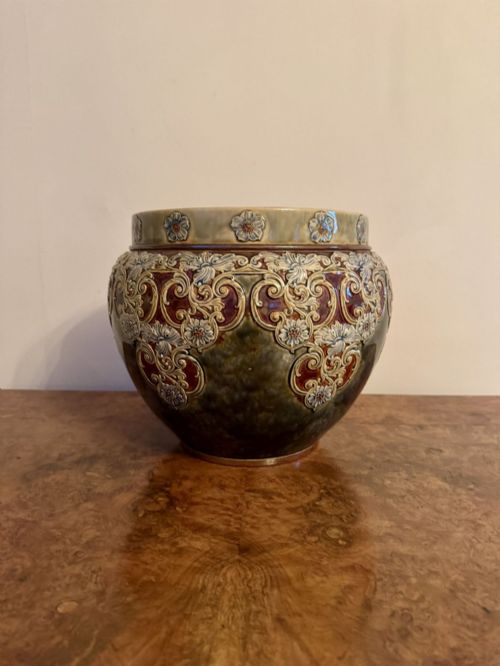
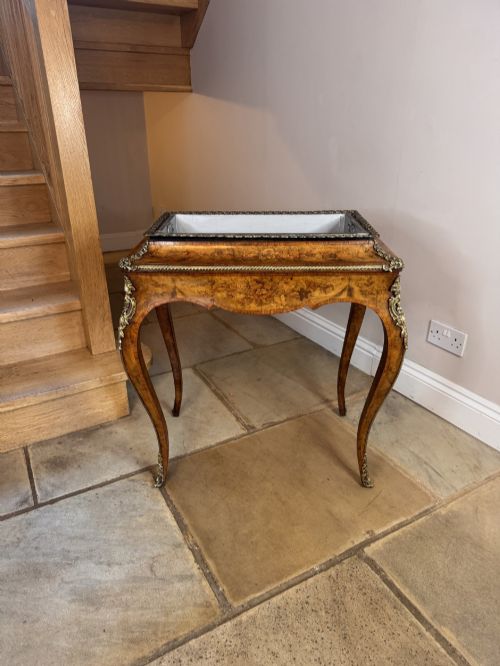
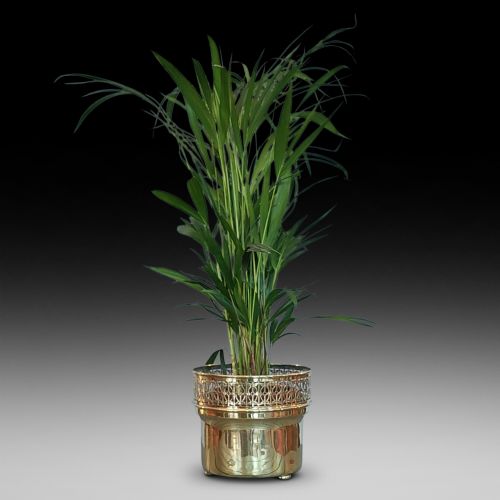
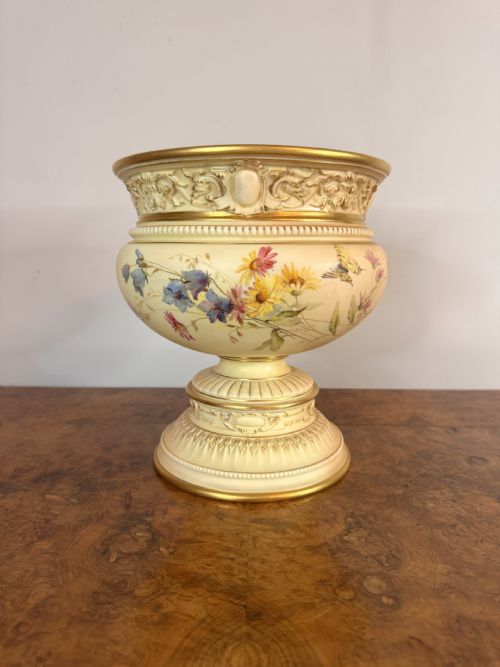
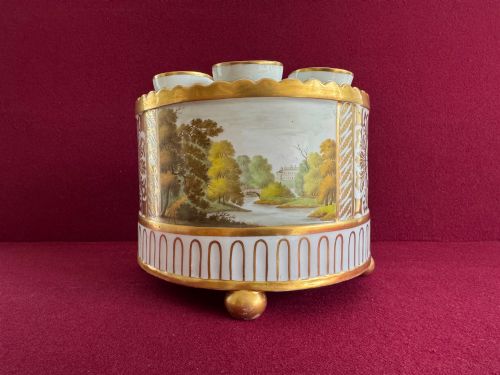
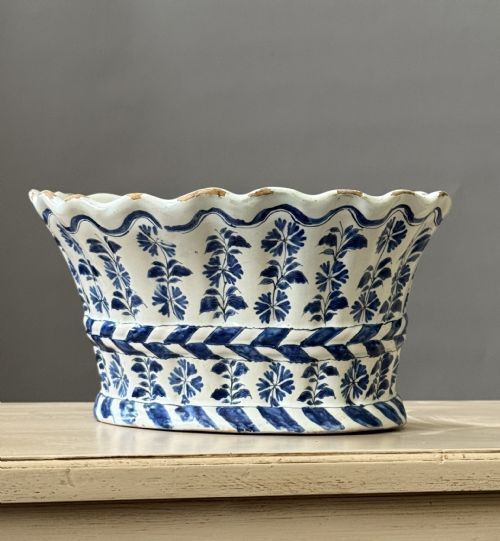
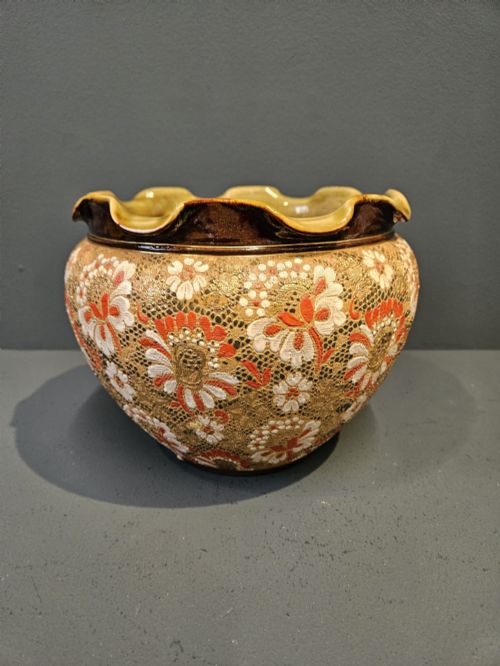
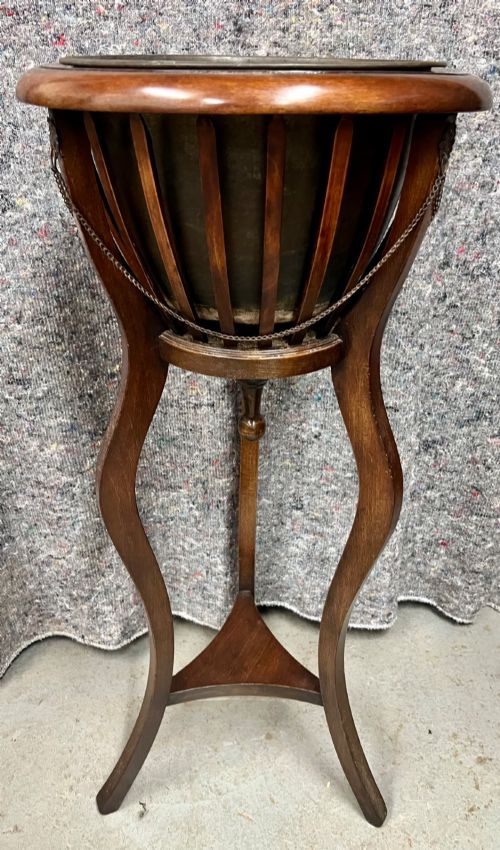
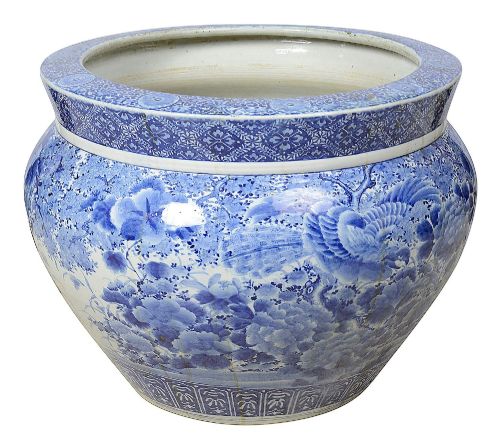
An antique floral jardiniere functions as a decorative plant holder, taking forms such as floor-standing ceramic vessels, tabletop porcelain bowls, and paired pedestals. Buyers searching this phrase encounter substantial ceramic pots alongside timber plant stands and occasional tables adapted for botanical display.
The pieces on this page span the nineteenth century, the Victorian and Edwardian eras, and the early twentieth century. Makers from English potteries to Japanese Meiji workshops produced these vessels for interior display.
Most examples combine glazed earthenware, porcelain, or bronze bowls with matching stands in mahogany, walnut, or satinwood. These arrangements range from compact desk pots to large floor-standing jardinieres with matching columns.
How They Were Made
Potters shaped clay on the wheel or in moulds using earthenware, majolica, and porcelain, applying rich glazes, enamel, and transfer-printed blue and white decoration. Makers such as Royal Doulton, Burmantofts, and Minton utilised specialised kilns to achieve deep colour saturation and lustrous finishes.
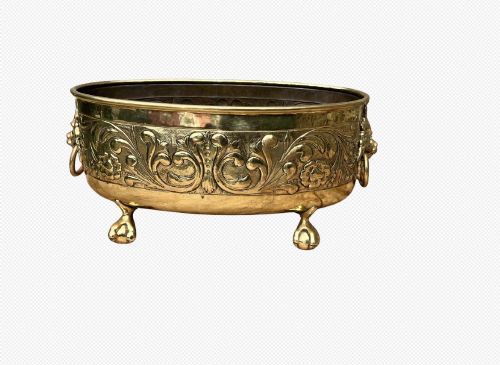
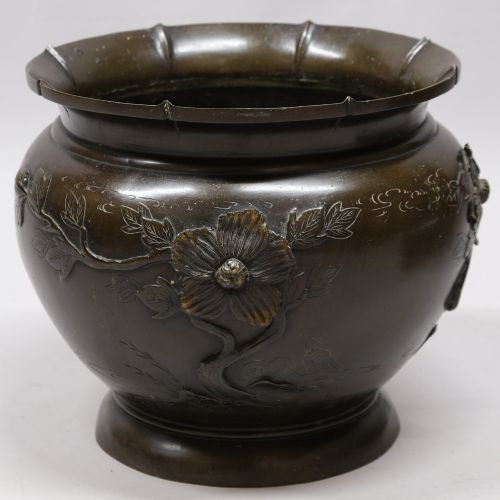
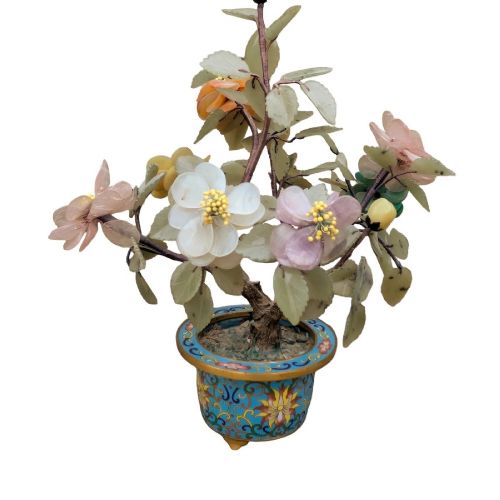
Metalworkers cast bronze, brass, and copper vessels, frequently incorporating cloisonné enamel work with wire cells or applying gilt metal mounts to timber bases. Carved wooden plant stands and jardiniere tables relied on traditional joinery in mahogany, walnut, and kingwood, often integrating marble tops.
Surface ornamentation combined hand-painted floral motifs with relief moulding, gold leaf detailing, and incised patterns. These diverse construction techniques allowed makers to produce robust containers capable of holding heavy earth and moisture alongside delicate decorative bowls.
Antique Floral Jardiniere Retail Price Guide 2026
Typical asking prices for floral jardiniere among the pieces listed under this phrase on Sellingantiques today, from the lower quarter to the upper quarter. They describe what is for sale here now, not the wider market.
Several Chinese and Japanese vessels on this page began life as decorative desk pots before finding a second career holding Victorian ferns.
What Varies in Quality
The distinction between standard production wares and exceptional pieces rests upon the crispness of the modelling and the depth of the glaze. Master potteries achieved complex colour layering and precise relief work that simpler factory output lacked.
Materials dictate structural integrity, seen in heavy-gauge bronze castings, thick cloisonne enamel work, and dense hardwoods like mahogany and walnut used for stands. Superior timber examples retain well-fitted marble inserts and robust internal liners.
Artistic attribution marks a clear division, with documented factory pieces from makers like Royal Worcester, Doulton Lambeth, and George Jones commanding greater recognition than unmarked regional pottery.
Royal Doulton·Doulton Lambeth·Burmantofts Art Pottery·Royal Worcester·Minton·George Jones·Royal Worcester Hadley Ware·Doulton Burslem
The Antique Floral Jardiniere Glossary
- Jardiniere
- An ornamental pot or stand for holding plants or flowers. It derives from the French word for gardener.
- Majolica
- A type of earthenware glazed with opaque tin enamel and brightly coloured painted designs. It gained popularity during the Victorian era for botanical vessels.
- Cloisonne
- Enamelwork in which thin metal wire is soldered to a metal base to form compartments filled with paste. Japanese and Chinese makers utilised this technique for decorative bowls.
- Bough Pot
- A ceramic or metal vessel designed to hold cut tree boughs or floral arrangements for interior decoration. They often feature perforated lids to keep stems upright.
- Pedestal
- A tall column or base supporting a jardiniere. These elevation stands bring large plant vessels up to eye level.
- Hadley Ware
- A style of pottery produced by Royal Worcester featuring tinted clays and delicate floral underglaze painting. It represents a refined aesthetic of the early twentieth century.
Antique Floral Jardiniere: Frequently Asked Questions
How do I use a jardiniere indoors?
Place a potted plant inside the vessel, using a saucer underneath to catch drainage water and protect the interior base.
Larger floor-standing jardinieres on pedestals work well in corners or hallways, while smaller bowls suit tables and desks.
Were jardinieres meant for live plants?
Many ceramic and metal pieces served as decorative cachepots to conceal standard terracotta plant pots placed within them.
Some historical vessels were also utilised as wine coolers, log buckets, or simply decorative centrepieces without soil.
How do I date a ceramic jardiniere?
Examine the base for factory stamps, impressed registration numbers, and painter monograms that correspond to maker archives.
Stylistic indicators such as Art Nouveau curves, Victorian majolica glazes, or Edwardian proportions also help narrow the period.