

Antique Floral Embroidery
Antique floral embroidery brings needlework masterpieces into modern interiors, offering centuries of hand-stitched botanical artistry on silk, linen and wool.
Antique Floral Embroidery
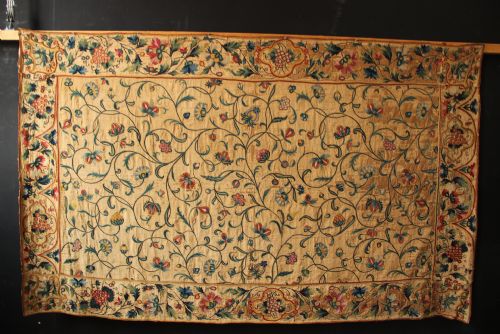
When buyers search for antique floral embroidery, they encounter a diverse array of textiles ranging from English needlework pictures to Central Asian wall hangings. These pieces span from the eighteenth century through the Victorian era and into the early twentieth century.
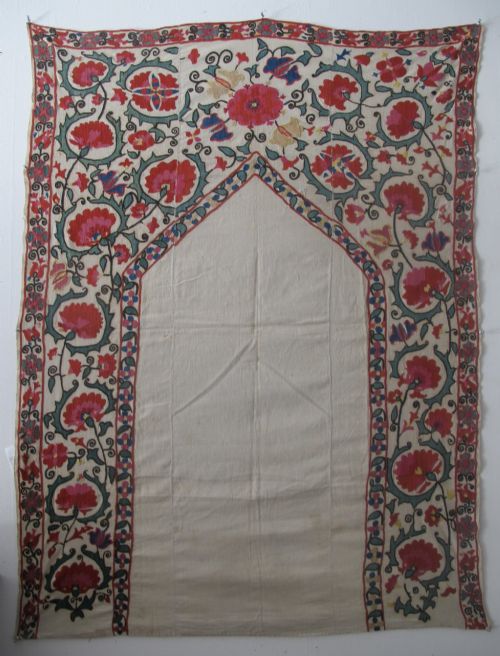
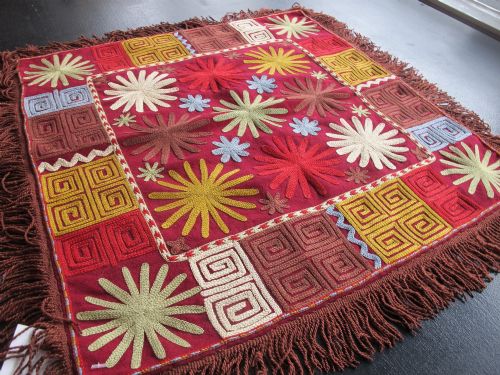
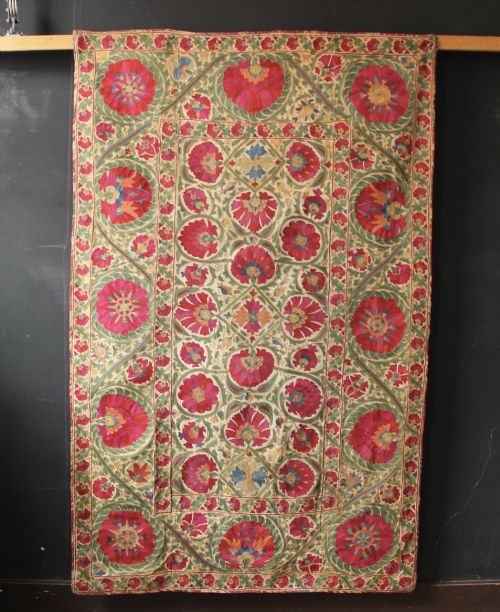
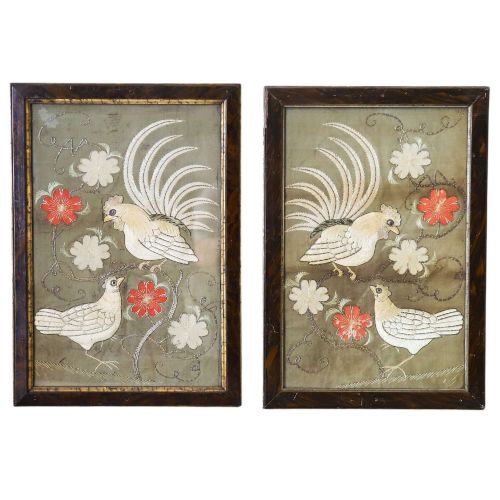
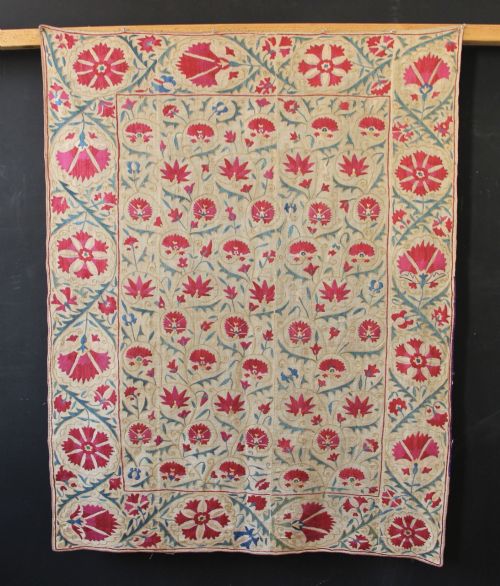
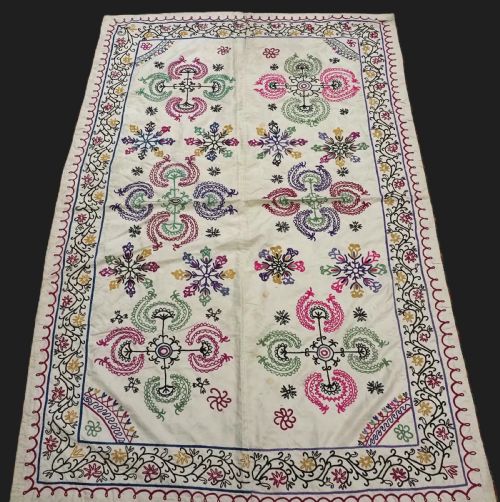
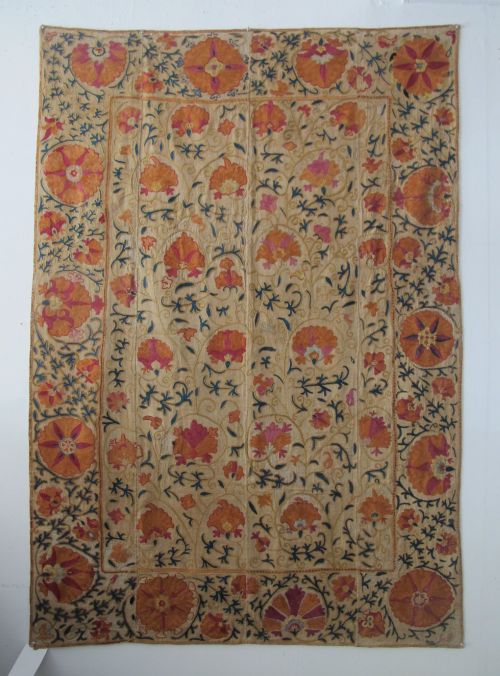
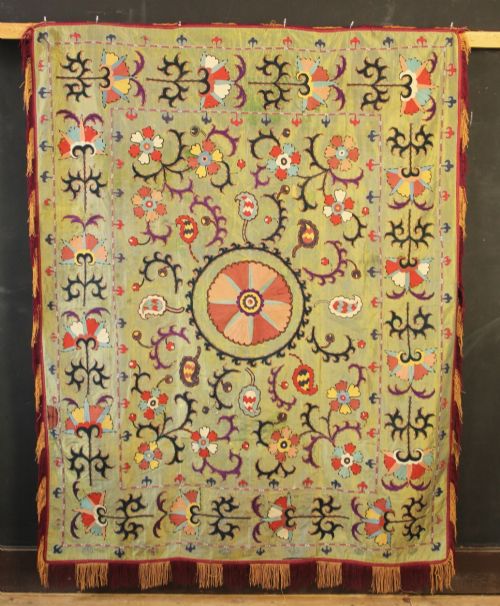
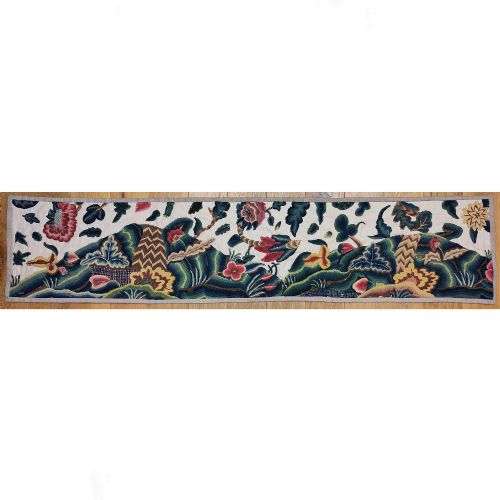
The most frequent examples on this page are Central Asian suzanis from regions such as Bokhara, Nurata and Shakhrisabz, worked in vibrant silks. Alongside these sit English crewelwork panels, framed Chinese silkworks, Persian Rasht embroideries and Victorian domestic furnishings.
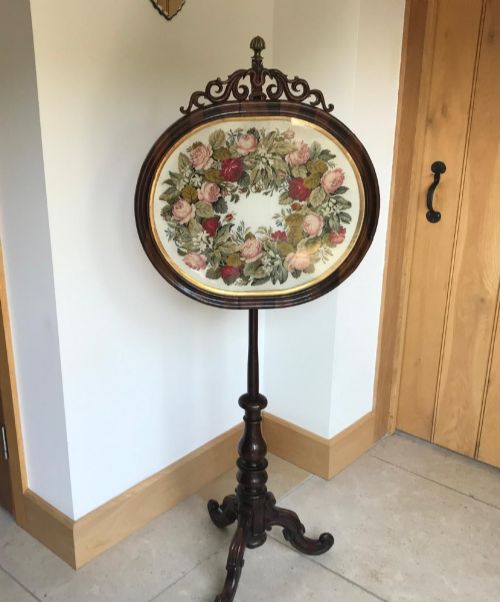
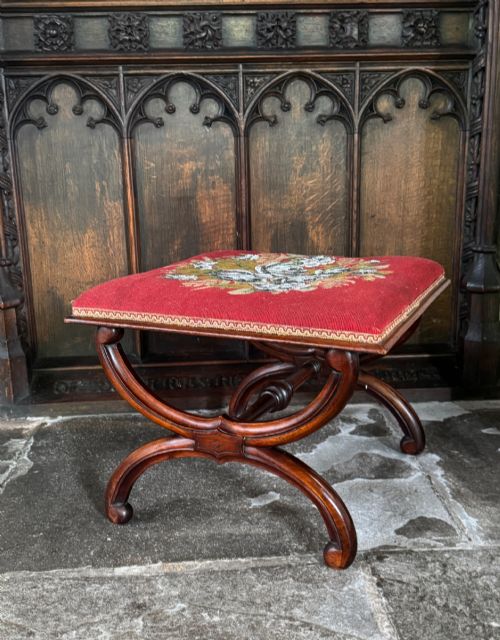
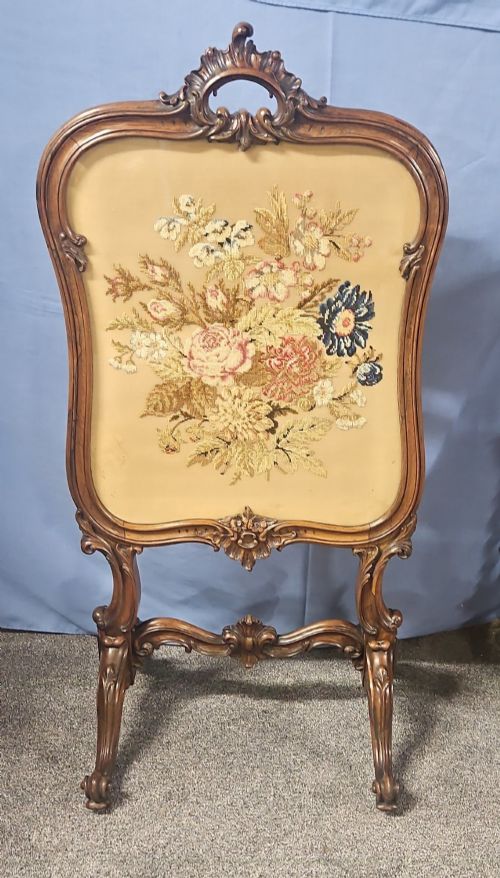
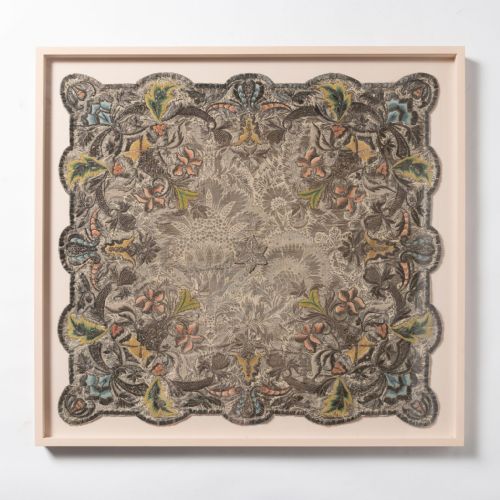
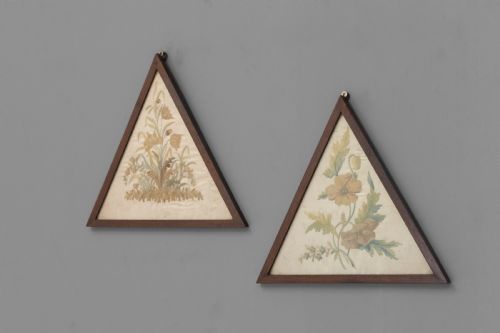
Forms vary significantly, including large wall hangings, mounted textile panels, framed pictures, fire screens and upholstered seating like armchairs and footstools. Each object reflects the distinct botanical motifs and traditional needle techniques of its origin.
Materials and execution
Makers utilised natural foundation grounds including woven linen, cotton, wool and red felt to support their decorative schemes. Silk threads provide the primary medium for the intricate floral and botanical motifs found across these textiles.
Techniques range from fine English crewelwork and traditional chain stitch to complex silk-on-silk embroidery and applique work. Frames incorporate turned wood, walnut, rosewood and faux tortoiseshell, often paired with glass protection for framed pictures.
Materials recorded across the inventory feature silk, wool, cotton, linen, walnut, rosewood and red felt grounds.
Assessing quality and execution
The distinction between ordinary examples and superior pieces rests upon the density of the stitching and the precision of the botanical drawing. Finer pieces demonstrate meticulous control over thread tension and a harmonious balance of natural dye colours across the entire textile.
Complexity of composition and the fineness of the ground fabric further elevate a piece. Master embroiderers executed intricate medallion layouts and nuanced shading that separate ambitious studio or regional works from simpler domestic items.
The Antique Floral Embroidery Glossary
- Suzani
- A large embroidered tribal hanging originating from Central Asia, typically worked in silk on a cotton or linen foundation with characteristic floral roundels and vines. These textiles were traditionally created as part of a bride's dowry.
- Crewelwork
- A traditional form of embroidery utilising wool yarn on a heavy linen or cotton twill ground. English examples often feature elaborate scrolling floral and tree-of-life designs.
- Nim Suzani
- A smaller scale variant of the traditional Central Asian suzani, generally measuring roughly half the dimensions of a full hanging. These compact textiles share the same rich botanical vocabulary.
- Rasht embroidery
- A distinctive style of Persian textile art characterised by intricate inlaid felt applique and fine silk chain-stitch embroidery. They frequently display central floral medallions.
- Pole screen
- A freestanding wooden furniture piece featuring an adjustable vertical panel designed to shield a person's face from the radiant heat of an open fireplace. The panels frequently showcase mounted needlework or embroidery.
Antique Floral Embroidery: Frequently Asked Questions
How do I hang a textile safely?
Large embroideries and suzanis require even weight distribution across the upper edge. Conservation-grade mounting using a fabric-covered wooden batten prevents stress on delicate silk threads.
Direct sunlight fades natural dyes rapidly, so position wall hangings away from exposed windows. Gentle backing support protects fragile antique grounds from sagging over time.
What is a suzani used for?
Traditional Central Asian suzanis served multiple domestic functions within nomadic and settled households. Families utilised them as wall hangings, decorative covers, and ceremonial dowry elements.
Today, collectors primarily display these large embroidered panels as statement wall art. Smaller nim suzanis adapt easily to placement above sideboards or within framed displays.
How are English and Asian styles different?
English needlework often employs wool crewel threads on linen to depict structured botanical scenes or framed pictures in European frames. These works reflect formal interior decoration and domestic craft traditions.
Central Asian and Persian pieces utilise luminous silk on cotton or felt grounds with bold floral medallions and geometric vines. Their vibrant palettes celebrate nomadic artistic heritage.