


Antique Floral Compote
These antique floral compote pieces bring height and presence to a table, combining pedestal bowls and centrepieces with delicate floral decoration.
Antique Floral Compote
When you search for an antique floral compote, you encounter footed bowls, comports, and centrepieces designed for display or service. These elevated vessels draw the eye upward and occupy a central place in domestic arrangement.
The selections span the nineteenth century into the Edwardian era, incorporating Georgian and Regency examples alongside Victorian and Art Nouveau forms. German porcelain workshops, English ironstone makers, and French porcelain houses dominate the offerings.
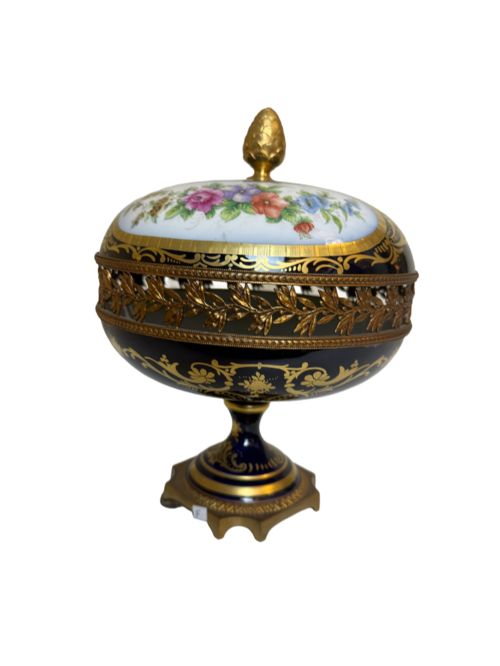
You meet pedestal bowls and footed pottery alongside larger centrepieces adorned with figures, applied roses, and painted foliage. These pieces reflect diverse regional aesthetics ranging from Rococo Revival curves to clean Regency lines.
How they were made
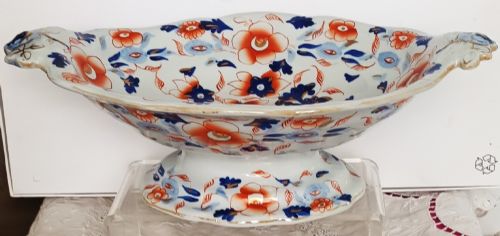
Potters and ceramists shaped these compotes from porcelain, ironstone, and ceramic paste, employing glazes to seal the surfaces. Many items incorporate hand-painted details and transfer-printed patterns directly onto the fired body.
Makers integrated gilt metal, gold leaf, and gilded pewter to highlight structural rims and pedestals. Glass elements involved etching, cutting, and specialised enamelling techniques like plique-a-jour to capture light.
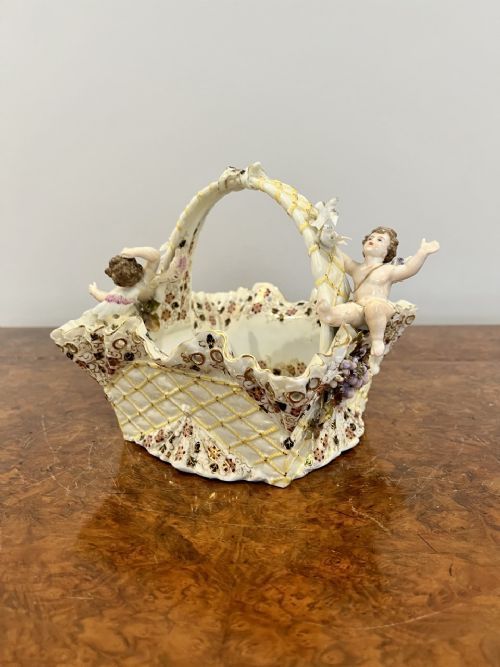
Sculptural elements such as putti, cherubs, and applied roses required skilled modelling before attachment to the main body of the centrepiece prior to kiln firing.
Several German porcelain centrepieces feature persistent porcelain cherubs clambering among stubborn applied roses.
What varies in quality
The refinement of the modelling dictates the distinction between standard vessels and exceptional centrepieces. Hand-painted botanical studies and meticulously formed applied flowers demonstrate superior workshop execution compared to simpler printed designs.
The crispness of the gilt work and the integration of bronze or metal mounts reveal the maker's original ambition. Richly detailed figures and balanced openwork establish the upper tiers of craftsmanship.
John Ridgway·Ulisse Cantagalli·C.G. Schierholz and Sohn·Mason·Orivit
The Antique Floral Compote Glossary
- Comport
- A shallow footed dish or bowl raised on a pedestal, traditionally used for serving fruit or dessert. This term appears frequently alongside compote in British and European inventory.
- Ironstone
- A heavy, durable ceramic developed in the nineteenth century as a robust alternative to porcelain. It takes glazes and ironstone china patterns readily.
- Putti
- Plump, wingless or winged infant figures frequently modelled in porcelain around the stem of a centrepiece. They derive from classical sculpture and enliven nineteenth-century German porcelain.
- Plique-a-jour
- An enamelling technique resembling miniature stained glass where enamel is fired in open cells without a backing. It yields a translucent effect found in decorative metalwork.
- Tazza
- A small ornamental cup or vase on a shallow foot or pedestal, often utilised for presentation. The form mirrors classical prototypes.
Antique Floral Compote: Frequently Asked Questions
What is a compote used for?
These elevated vessels served fruit, sweetmeats, and dessert courses across nineteenth-century dining tables. Their height created tiered arrangements that improved visibility and presentation during formal meals.
Today, they function as decorative centrepieces on sideboards and dining tables. Collectors often display them empty to appreciate the painted scenes and sculptural mounts.
How do I identify a Victorian piece?
Victorian examples often display eclectic revival styles such as French Rococo Revival or heavy floral ornamentation. Marks beneath the base frequently correlate with nineteenth-century registry dates or specific pottery houses.
The use of vibrant glazes, applied porcelain roses, and figurative elements like putti characterises much of the Victorian output. Ironstone and porcelain bodies from this era feel substantial and dense.
What is the difference between ironstone and porcelain?
Ironstone is a dense, opaque earthenware developed for durability and everyday service. It possesses a heavy weight and resists chipping better than fine ceramic pastes.
Porcelain is vitrified, harder, and frequently translucent when held to the light. It allows for finer painted details and delicate moulded edges seen in cabinet pieces.
How should I clean my compote?
Dust gently with a soft, dry brush to protect delicate applied flowers and painted surfaces. Avoid submerging pieces with metallic mounts or gilt highlights in water.
Hand wash ceramic bowls only when necessary using lukewarm water and mild soap. Dry them immediately with a soft cloth to preserve the glaze.
Are these pieces marked by makers?
Many nineteenth-century European porcelains bear underglaze factory stamps, impressed numbers, or painted symbols. These marks identify the pottery or workshop responsible for the ceramic body.
Some decorative items carry retailer signatures or pattern names on the underside. Absence of a mark does not preclude age, as many early pieces relied on paper labels that perished.