
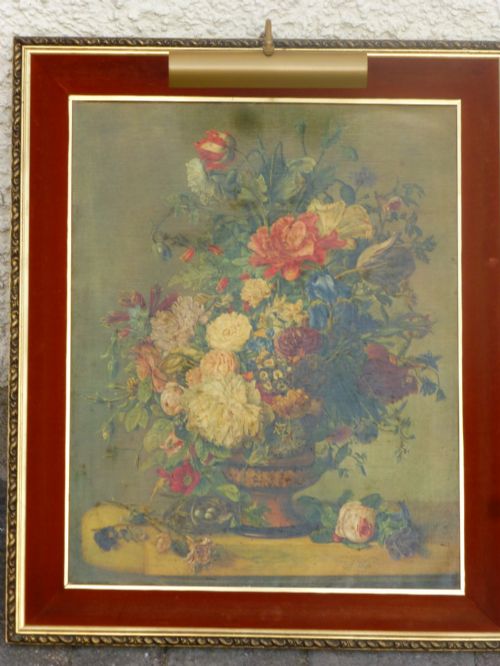
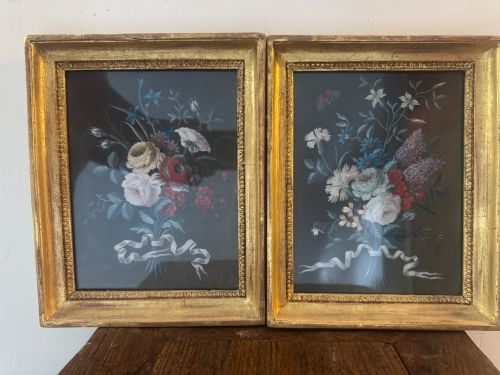
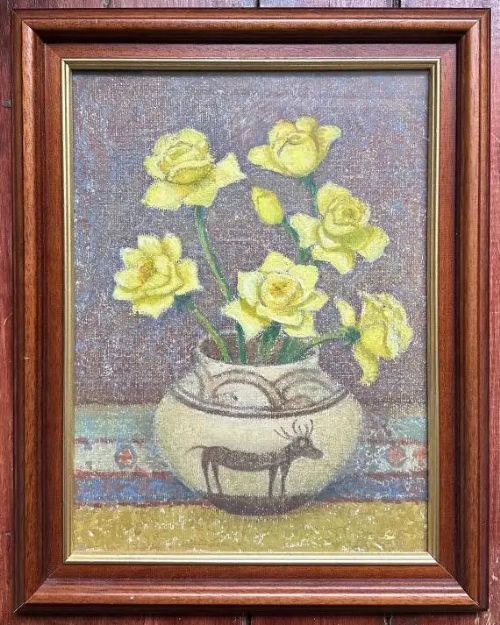
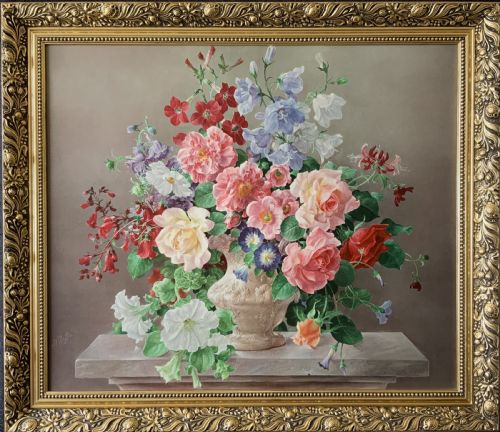



Antique Floral Art Print
These antique floral art print pieces bring together centuries of botanical observation, rendered in watercolour, oil and delicate engraving.
Antique Floral Art Print
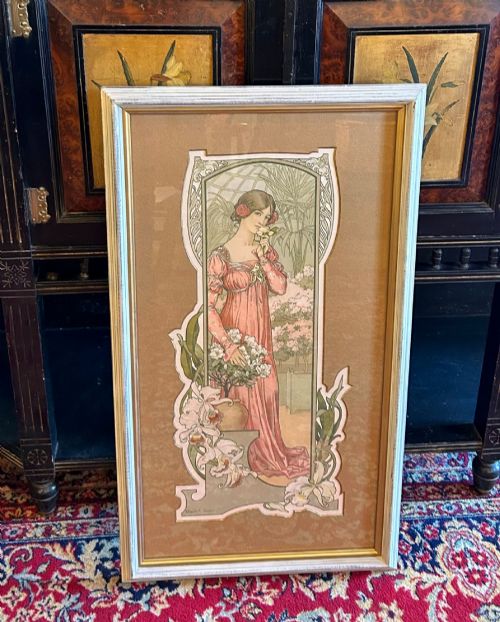
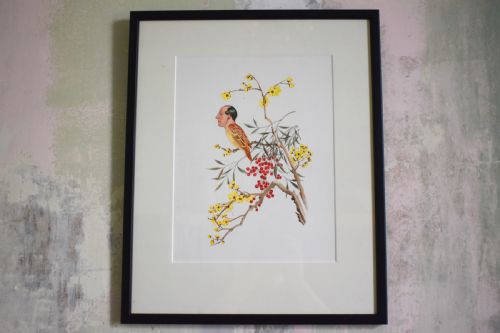
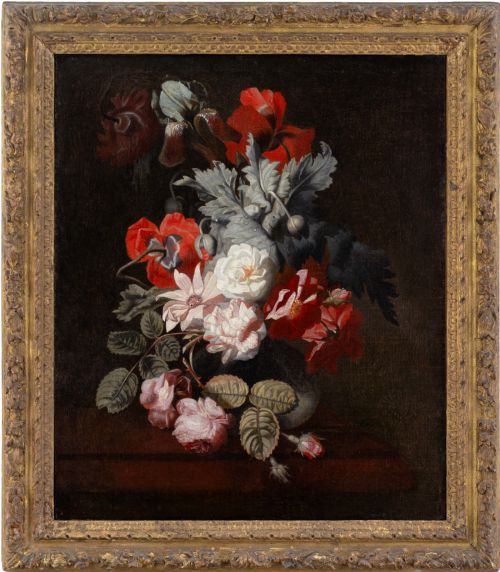
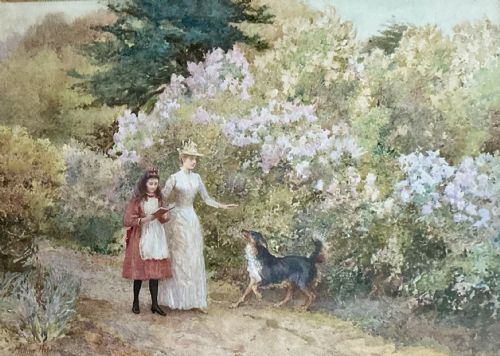
An antique floral art print or related work on paper encapsulates the enduring fascination with botany and still life across the eighteenth, nineteenth and early twentieth centuries. Collectors encounter hand-coloured engravings, detailed lithographs and original watercolour paintings framed for display on domestic walls.
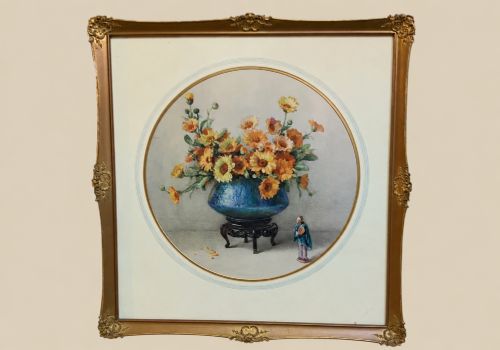
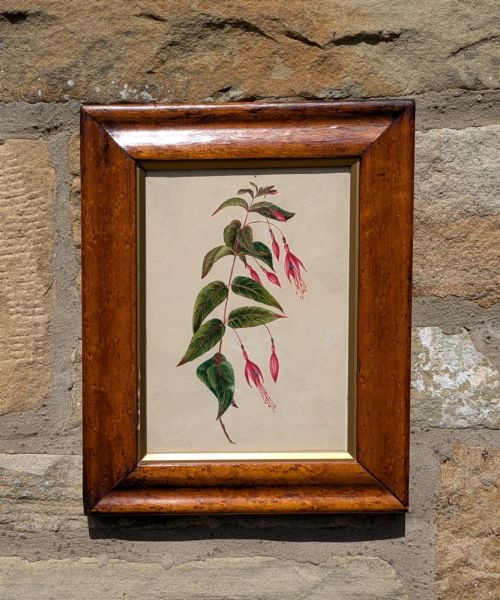
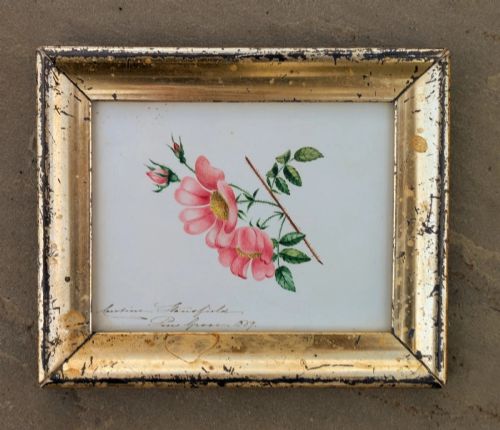
The selection ranges from scientific botanical studies and delicate floral watercolours to robust oil paintings and decorative prints. Works often capture specific blooms such as roses, fuscias, wallflowers and wild roses with remarkable precision.
Pieces frequently reflect the aesthetic movements of their origin, moving from Neoclassical exactitude and Dutch-inspired still life towards Victorian botanical illustration and early twentieth-century watercolour traditions. The most common survivals on this page are nineteenth-century watercolours and hand-coloured engravings.
How they were made
The physical objects rely primarily on paper, canvas or board as a foundation, marked by watercolour, gouache, oil paint or ink. Engravings and lithographs provide the underlying structure for printed plates, which artisans then frequently enhanced by hand with watercolour or gouache.
Framing materials play an integral part in the survival of these works, utilising wood, gilt wood, glass and carved pine to protect fragile paper surfaces from atmospheric moisture. Mixed media compositions and fabric panels occasionally appear, demonstrating the diverse application of floral motifs across interior decoration.
The listings span periods from the 18th Century through the 1930s, utilising paper, canvas, watercolour and gouache.
What varies in quality
Quality rests in the precision of the draughtsmanship and the vitality of the pigment preserved across the decades. Works displaying crisp botanical accuracy and nuanced colour blending command greater attention than hurried or formulaic copies.
The integrity of the medium matters deeply, distinguishing pieces with stable, unfaded watercolours or strong plate impressions from those damaged by damp or excessive light exposure. Original frames and contemporary hand-colouring further elevate the standing of a piece.
Elisabeth Sonrel·Simon Pietersz Verelst·Arthur Hopkins·Pancrace Bessa·John Curtis·Georg Wolfgang Knorr·Jane Utley·Lilian Stannard·Amy Reeve-Fowkes·Owen Bowen·George Dionysius Ehert
The Antique Floral Art Print Glossary
- Lithograph
- A print made from a planographic process in which an image is drawn on limestone or a metal plate with a greasy substance. This technique allowed for accurate reproduction of fine artistic lines.
- Gouache
- An opaque watercolour paint composed of pigment, water, and a binding agent such as gum arabic, often heightened with white. It provides solid, dense areas of colour.
- Engraving
- A printmaking method where an artist cuts lines directly into a metal plate with a burin. The resulting incised lines hold the ink for transfer under pressure.
- Botanical illustration
- The art of depicting the form, colour, and details of plant species, historically combining scientific accuracy with artistic composition.
- Still life
- A painting or drawing featuring inanimate subject matter, typically including cut flowers, fruit and vessels arranged on a tabletop.
Antique Floral Art Print: Frequently Asked Questions
How do I care for antique floral art?
Keep works on paper away from direct sunlight to prevent the fading of delicate watercolours and hand-coloured pigments. Maintaining stable indoor humidity levels also protects both the paper support and any wooden or gilt framing.
Ensure that glazed pieces are framed with archival materials that prevent the paper from touching the glass directly. Gentle dusting of the exterior frame is all that is normally required for routine maintenance.
Are these prints original or reproductions?
The listings comprise period originals, including eighteenth and nineteenth-century hand-coloured copperplate engravings, lithographs from the nineteenth and early twentieth centuries, and unique watercolour or oil paintings.
Examining the surface with a loupe reveals the indented plate mark of an engraving or the flat ink application of a lithograph. Original paintings show brushstrokes and pigment texture absent in modern photographic reproductions.
How can I tell the period of a piece?
Dating relies upon the paper stock, printing technique, framing style and the aesthetic conventions of the era. Eighteenth-century works often employ laid paper and careful hand-colouring, while Victorian pieces lean towards bright watercolours or detailed botanical engravings.
Signatures, inscriptions on the reverse, and known publication dates for plates from works like Plantae Selectae provide further chronological anchors. Stylistic shifts from Neoclassical restraint to exuberant Victorian still life help narrow the decade.
Where should I hang these artworks?
Botanical prints and floral paintings suit domestic spaces where natural light is controlled, such as studies, drawing rooms or hallways. Grouping pieces by period or subject creates a coherent display reminiscent of historic plant rooms.
Avoid placing them on damp exterior walls or in kitchens where steam might compromise the paper and pigments. Consistent interior temperatures ensure the longevity of the framing and the artwork alike.