
Antique Floral Accent Chair
An antique floral accent chair brings pattern and historic character to a room, offering comfortable seating shaped by Victorian, Edwardian and earlier hands.
Antique Floral Accent Chair
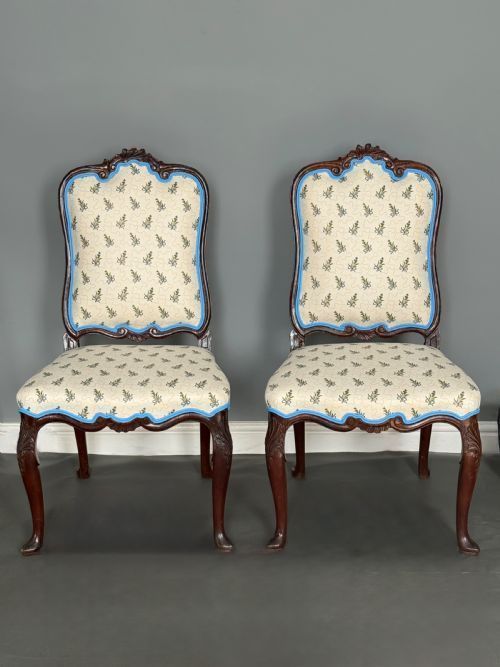
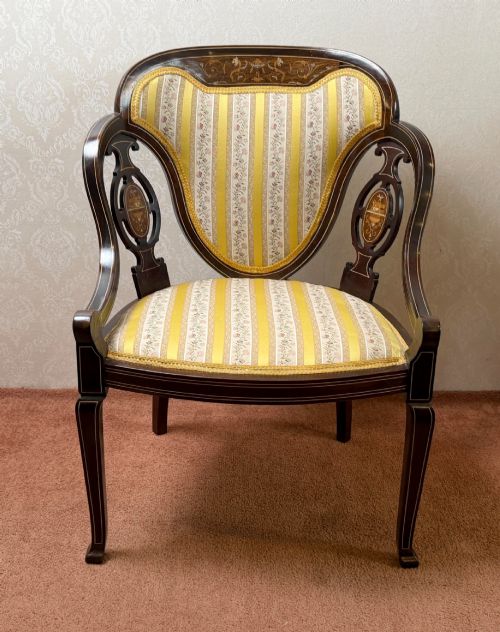
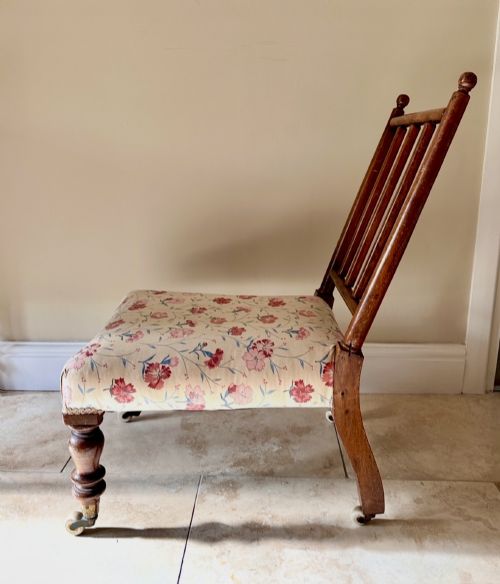
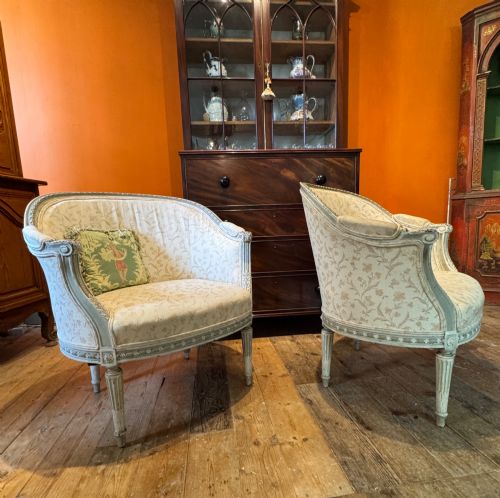
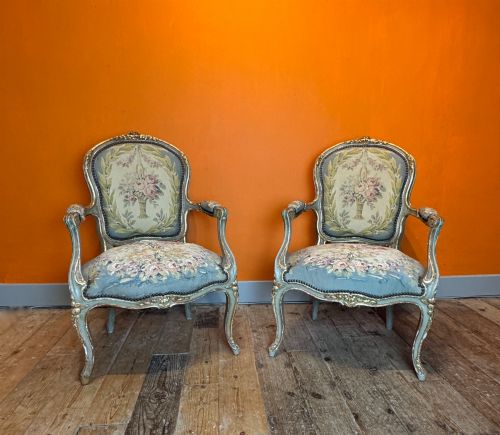
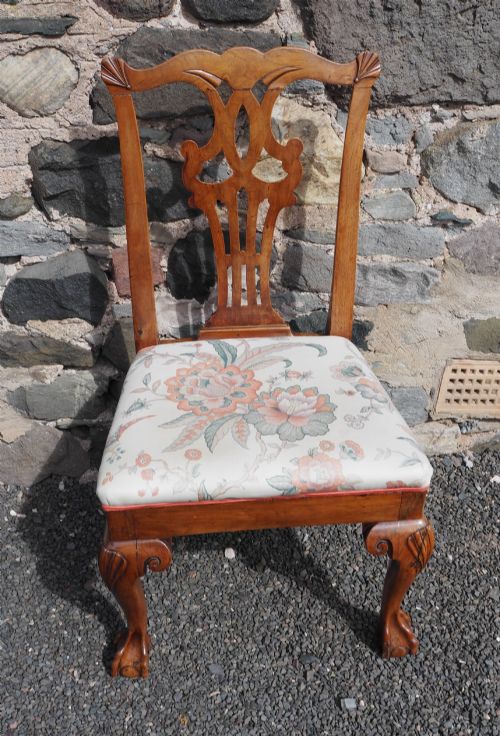
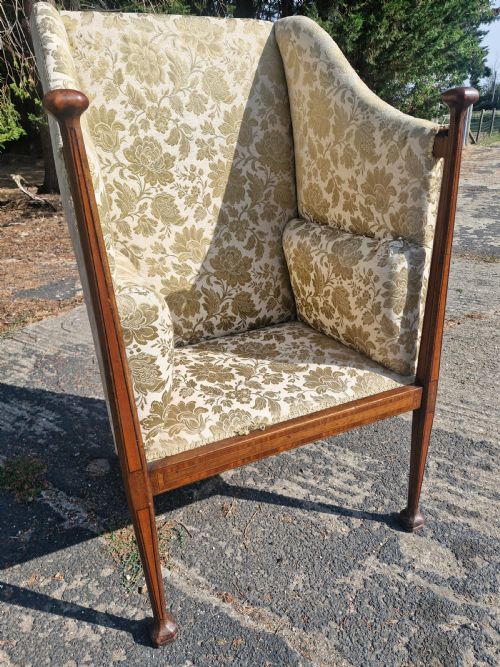
When you search for an antique floral accent chair, you encounter a varied selection of occasional seating, armchairs, slipper chairs and salon chairs. These pieces span the 18th century, Victorian era, Edwardian period and the early 20th century.
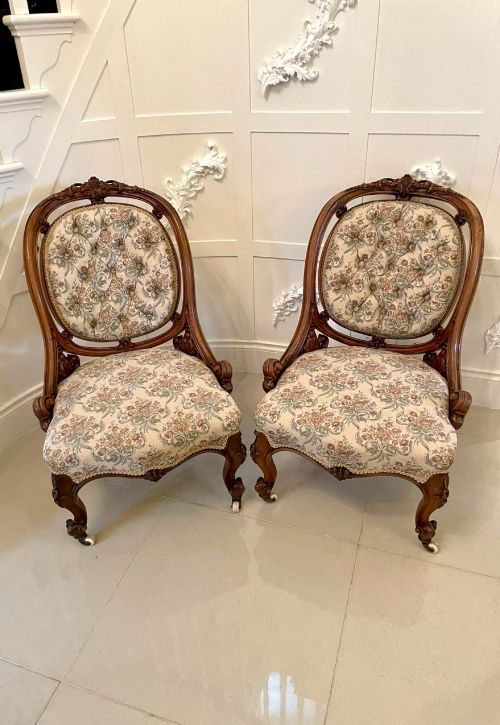
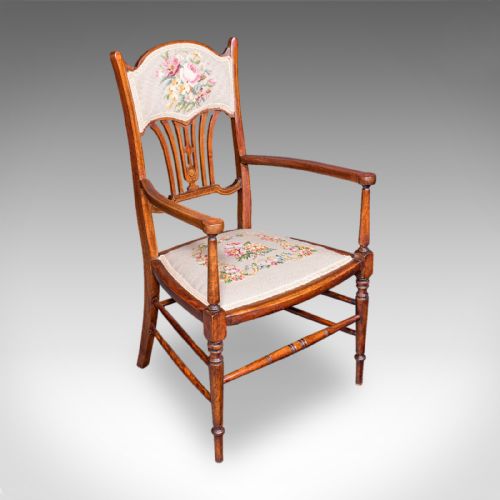
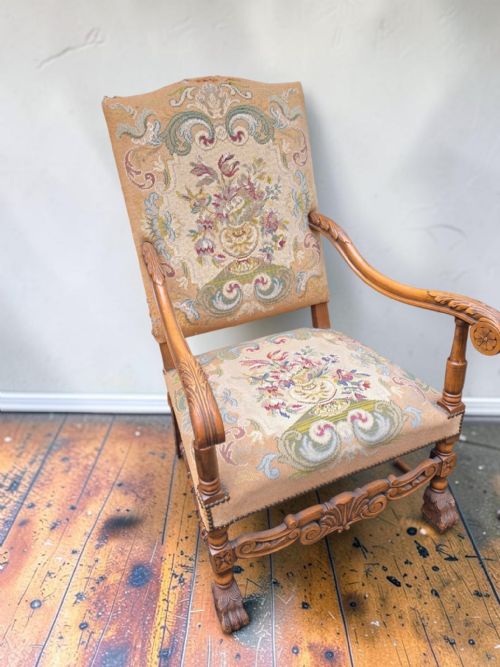
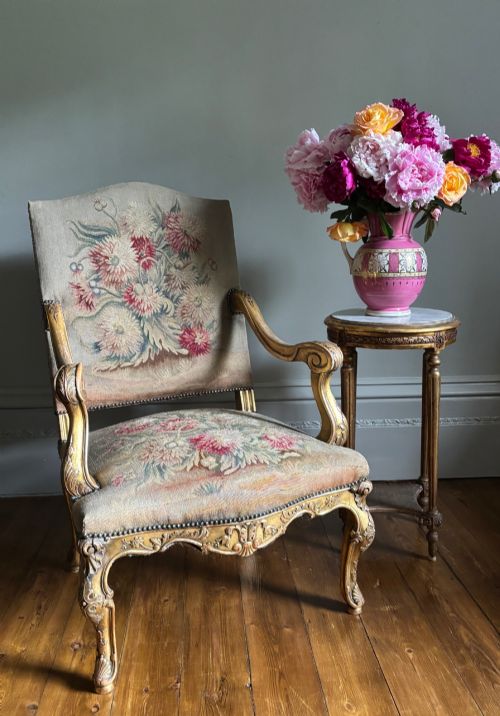
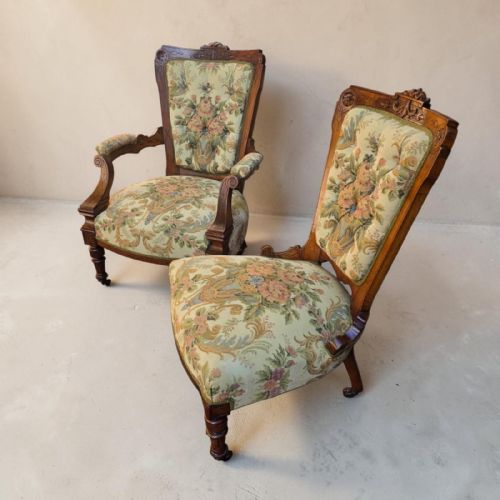
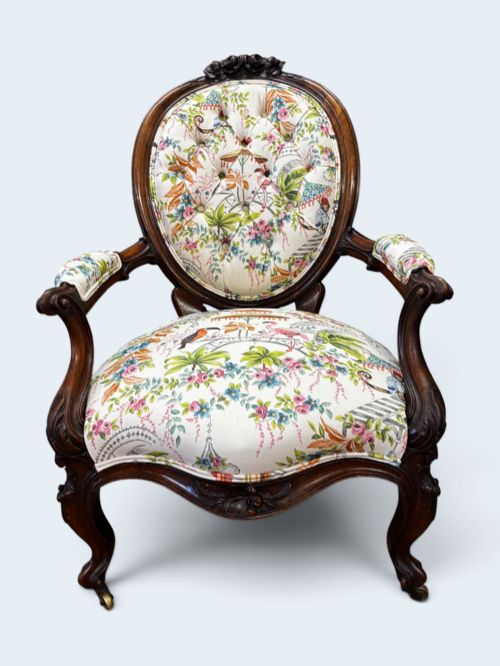
Buyers most frequently meet Victorian walnut and mahogany armchairs alongside French open armchairs and side chairs. Many incorporate floral needlework panels or patterned upholstery that defines their decorative presence.
Construction and materials
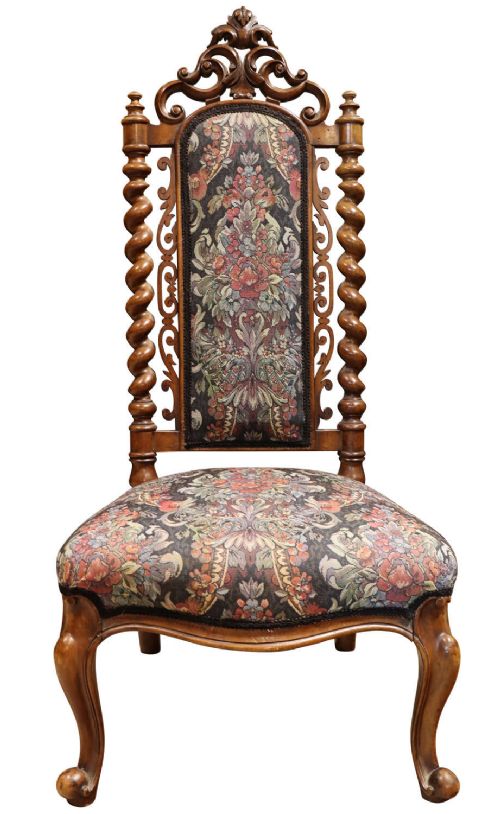
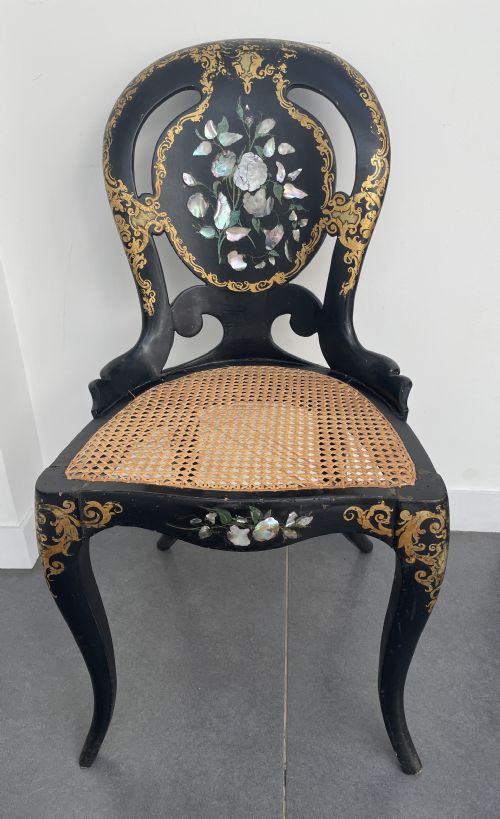
Frames are constructed from solid hardwoods such as mahogany, walnut, oak, beech and rosewood, often shaped with carved details or cabriole legs. Joinery techniques reflect the period of origin, from hand-carved walnut to inlaid satinwood and mother-of-pearl accents.
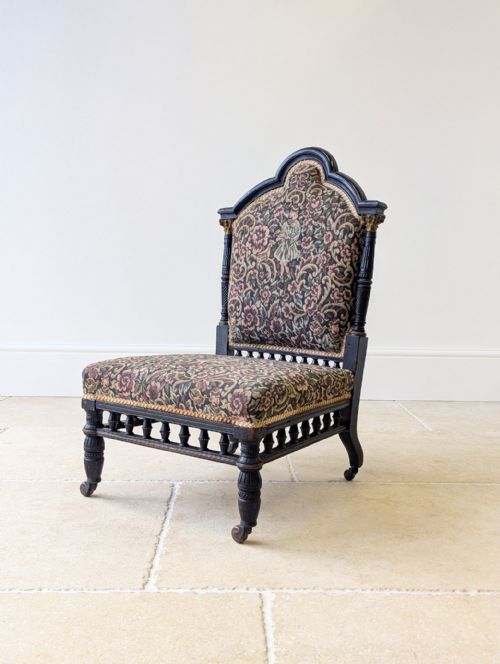
Upholstery relies on traditional textiles including tapestry, needlepoint, crewelwork and fabric panels secured to the wooden frames. Surface treatments range from original paint and parcel gilt to polished mahogany and ebonised finishes.
Listings include Victorian, Edwardian and 18th century periods utilising mahogany, walnut, tapestry, paint and textile materials across various chair forms.
Assessing quality in period seating
Quality rests in the crispness of the wood carving, the integrity of the frame joinery and the authenticity of the materials used. Finer pieces demonstrate superior timber selection, such as figured walnut or dense mahogany, paired with detailed hand-carved ornamentation.
The standard of the upholstery work and the preservation of original finishes, whether paint, gilding or polished wood, further distinguish higher tier examples. Chairs retaining period needlework panels or original fabric display a greater level of craftsmanship.
Gillows·Waring and Gillow
The Antique Floral Accent Chair Glossary
- Cabriole leg
- A furniture leg that curves outward at the knee and tapers inward toward the foot, commonly found on 18th century and Victorian chairs.
- Tapisserie
- Woven textile used for upholstery, often depicting floral or figurative scenes on period armchairs and salon seats.
- Fautel
- A French open-arm armchair with upholstered back and armrests, typical of 19th century revival styles.
- Ebonised
- Wood finished to resemble ebony, frequently utilised on Victorian aesthetic movement furniture.
- Needlepoint
- Embroidery stitched onto canvas mesh, creating durable floral patterns on antique chair seats and backs.
Antique Floral Accent Chair: Frequently Asked Questions
How do I identify a Victorian accent chair?
Victorian accent chairs frequently utilise dark woods like walnut, mahogany and rosewood, often featuring carved cabriole legs or button-tufted upholstery.
They also appear in ebonised finishes associated with the Aesthetic Movement, incorporating inlaid details and patterned textile covers.
Are these chairs suitable for daily seating?
Many period armchairs and salon chairs offer sturdy wooden frames and comfortable padded seats suitable for everyday use in a living room or bedroom.
Buyers should assess the internal webbing and padding condition when planning regular use for older upholstered seating.
What is the difference between an armchair and a salon chair?
Armchairs feature supportive side rests and generally larger proportions designed for relaxed seating in studies or sitting rooms.
Salon chairs are typically lighter, more decorative occasional seats created for entertaining guests in formal reception spaces.
How do I care for antique wood and fabric?
Maintain wooden frames by dusting with a dry cloth and occasionally applying suitable wax to nourish polished mahogany or walnut surfaces.
Protect textile upholstery from direct sunlight to preserve the colours and integrity of antique tapestry or needlepoint covers.