



Antique Floor Urns
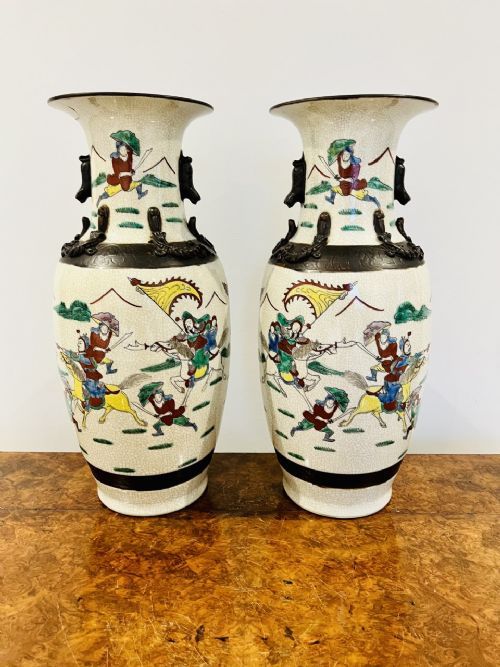
These antique floor urns stand tall in a room, bringing substance and presence from the nineteenth century into your space.
Antique Floor Urns
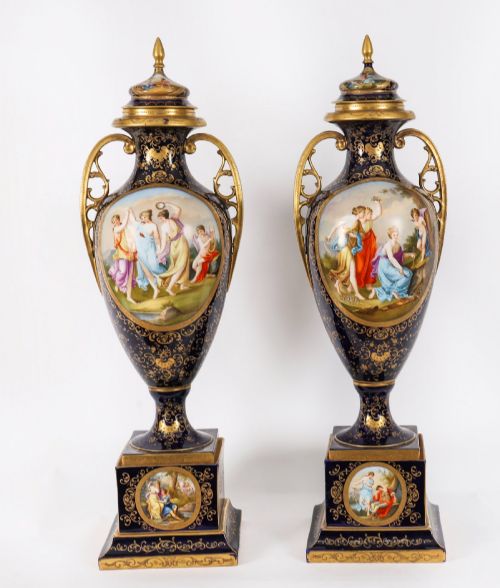
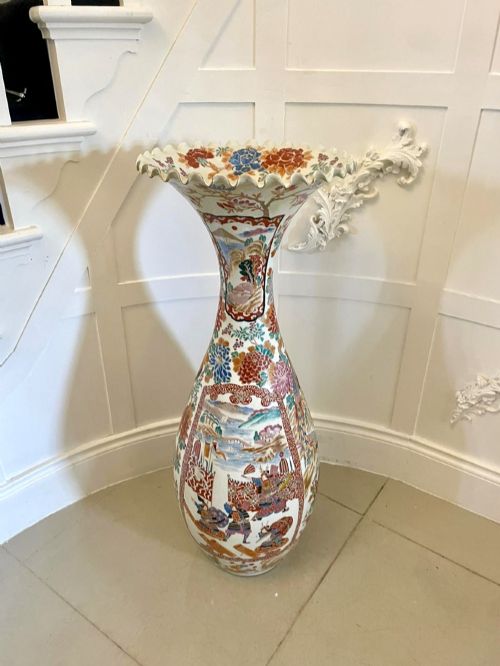
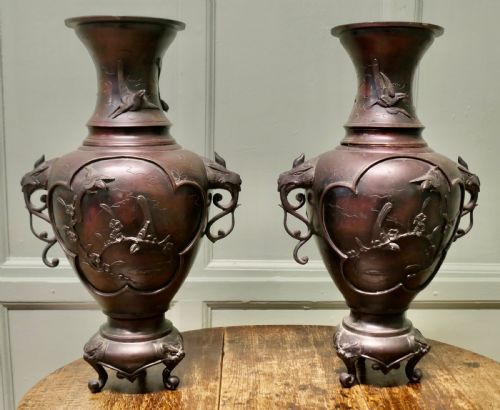
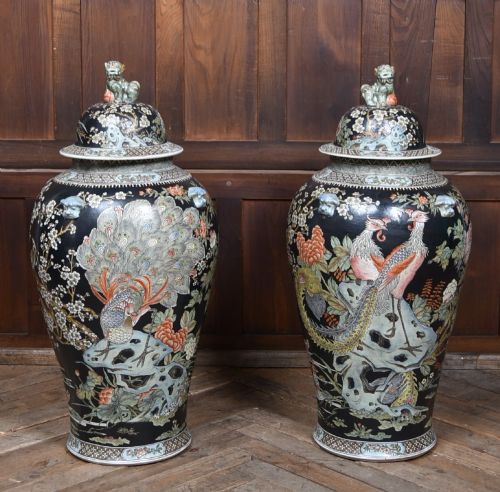
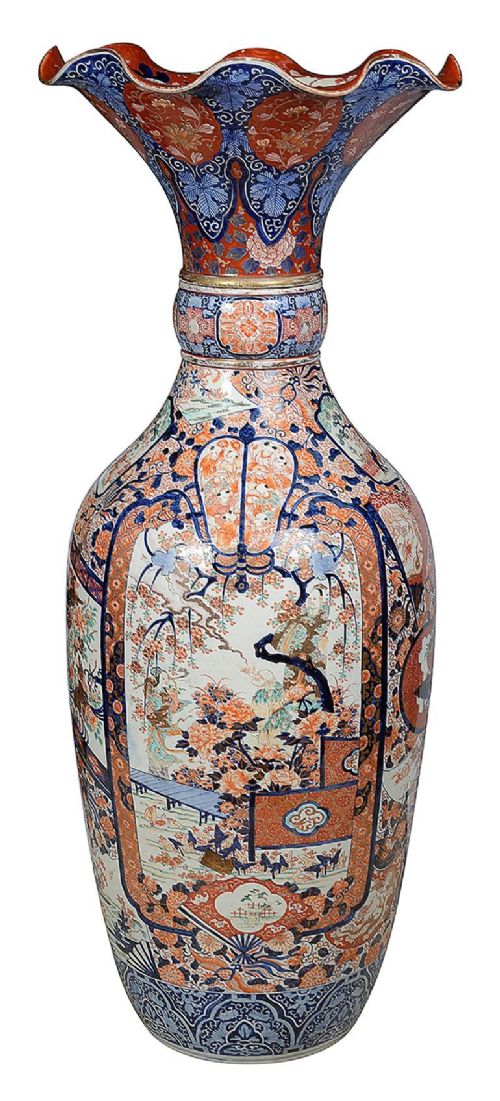
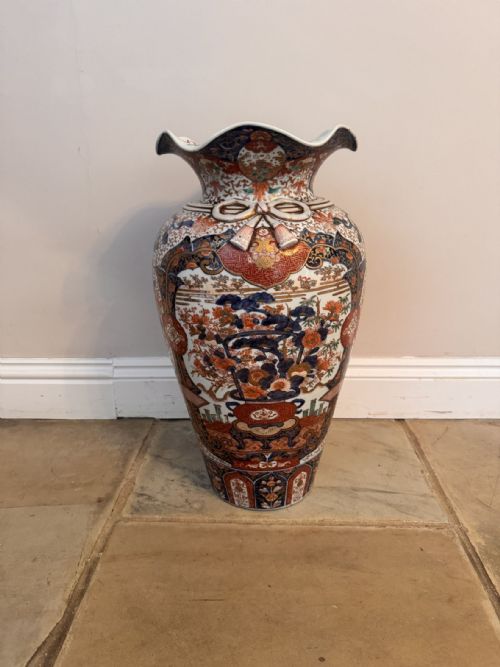
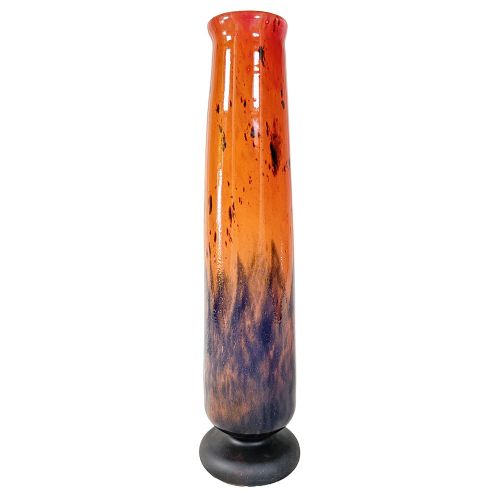
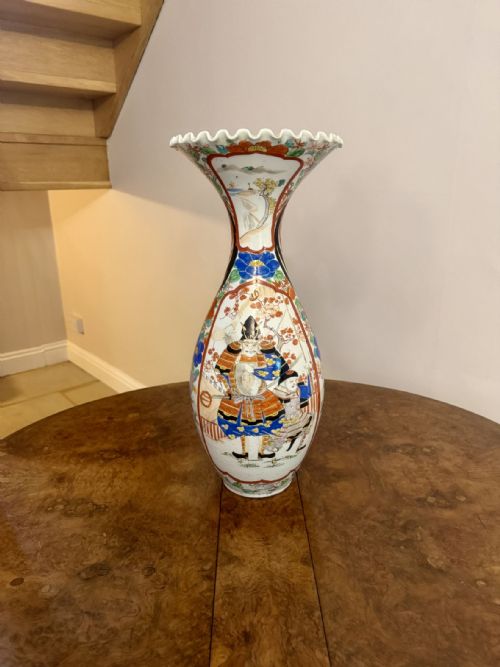
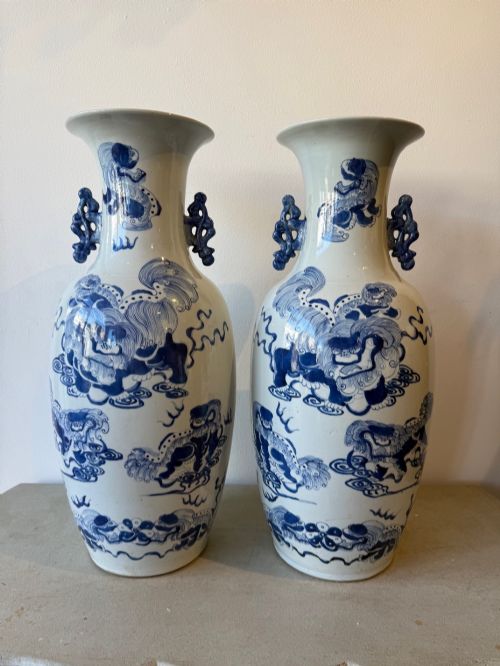
When you search for antique floor urns, you encounter tall vessels designed to command a corner or hall. The most frequent versions on this page are Japanese Imari and Satsuma porcelain vases, alongside large Chinese export and cloisonne palace pieces from the nineteenth century.
These large vessels include lidded jars, temple vases, and palace containers made to sit directly upon the floor or on dedicated wooden stands. Many date from the Meiji period and the Victorian era, showing significant height and substantial weight.
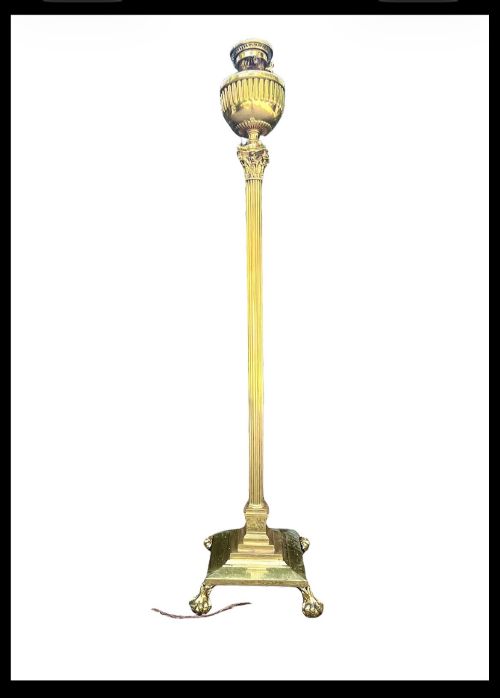
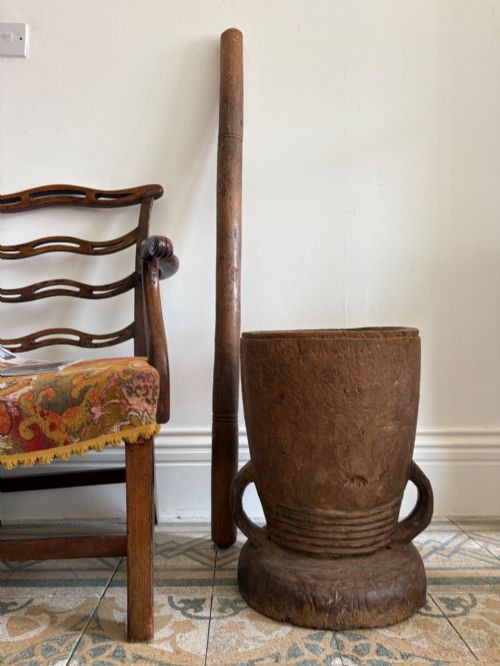
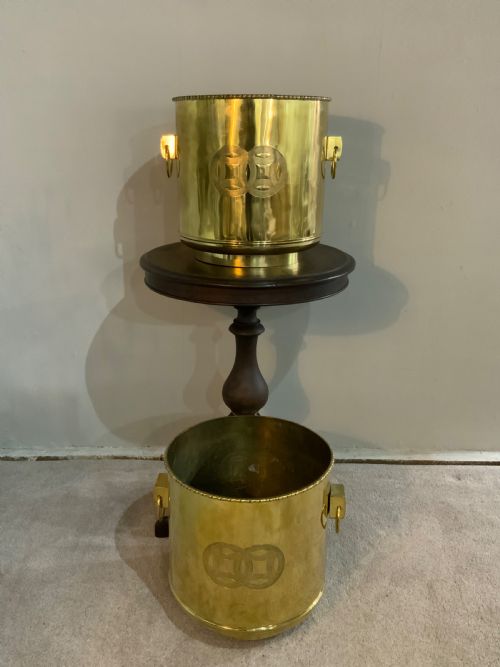
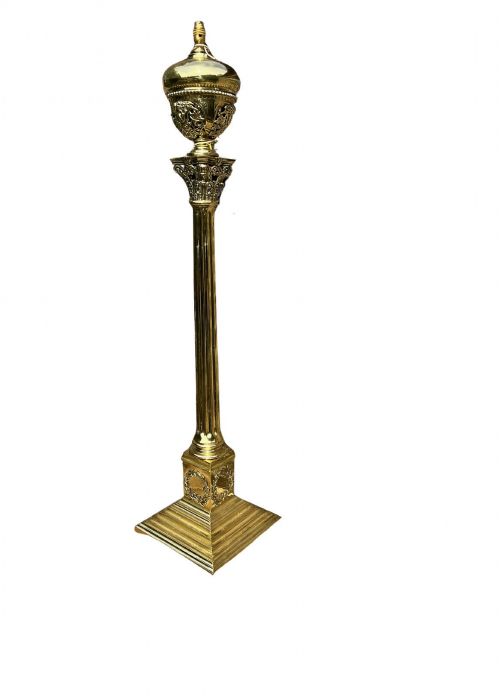
Beyond porcelain, the category embraces massive terracotta amphorae, heavy brass jardiniers, carved wooden vessels, and bronze pieces. Each form serves as a focal point, having originally been created to hold large arrangements or simply to display exceptional ornament.
How they were made
Potters shaped massive clay bodies by hand or on large wheels before applying intricate hand-painted glazes in cobalt blue, iron red, and gold leaf. Cloisonne examples required painstaking wirework soldered to metal bases to form cells that were filled with enamel pastes and fired repeatedly.
Metal vessels like bronze and brass were cast using traditional foundry methods, then chased and polished by hand to accentuate surface relief. Wooden pieces rely on heavy tree trunks carved with hand tools or turned on large lathes to create robust urns and churns.
Antique Floor Urns Retail Price Guide 2026
Typical asking prices for floor urns among the pieces listed under this phrase on Sellingantiques today, from the lower quarter to the upper quarter. They describe what is for sale here now, not the wider market.
Several giant palace vases are large enough to comfortably house a family of small woodland badgers.
What varies in quality
The distinction between standard decorative items and exceptional pieces rests upon the crispness of the hand-painted detail and the stability of the large ceramic body during high-temperature firing. Superior examples display dense, precise enamel work and well-balanced forms that maintain their verticality without distortion.
Provenance and originality dictate the upper tier, particularly when urns retain their matching original porcelain stands, carved wooden bases, or correct covers. Finer bronzes and cloisonnes show meticulous finishing in the metalwork and complete retention of intricate wire compartments without enamel loss.
Royal Vienna·Daum·Brannam·Kato Sanhei·Kinkozan
The Antique Floor Urns Glossary
- Imari
- A style of Japanese porcelain decorated in underglaze blue and overglaze red, green, and gold. It originated in the town of Arita and became popular for export during the nineteenth century.
- Cloisonne
- A metalwork technique where fine wires are soldered to a body to create compartments that are filled with enamel. These pieces are then fired and polished to a smooth finish.
- Satsuma
- A type of Japanese earthenware featuring a pale, ivory crackle glaze decorated with elaborate polychrome and gold enamels. It gained significant favour among European collectors in the late nineteenth century.
- Jardinier
- A large ornamental pot or container designed to hold living plants or floral displays. They appear in heavy brass, copper, and ceramics.
- Amphora
- A two-handled vessel with a narrow neck, used in antiquity for storage and transported across the Mediterranean. Later iterations served as decorative garden and hall ornaments.
- Torchiere
- A tall stand or pedestal historically used to hold a light source or a decorative urn. They lift large vases further into the room.
Antique Floor Urns: Frequently Asked Questions
Where should I place a floor urn?
These large vessels suit empty hallways, wide landings, and quiet corners where their height and bulk can be appreciated without obstruction. They anchor a room by filling vertical space that standard furniture leaves empty.
Keep them away from busy walkways where heavy foot traffic might cause accidental damage to porcelain or bronze bodies. Placing them on sturdy wooden pedestals can elevate them further if the ceiling height demands it.
Can floor urns hold water?
Most nineteenth-century ceramic and cloisonne floor vessels function primarily as decorative objects rather than water-holding vases. Their historic construction and precious enamel work mean moisture can seep through unglazed interiors or affect old repairs.
If you wish to display fresh stems, use a modern glass or plastic liner hidden securely inside the vessel's neck. Dry branches and large foliage displays pose no risk and complement the monumental scale of these pieces.
How do I identify Meiji period pieces?
Meiji period items date from the reign of the Japanese Emperor Meiji, spanning from eighteen sixty-eight to nineteen twelve. This era marked a surge in highly detailed export wares created for Western international exhibitions.
Look for exceptional technical mastery in the porcelain painting, bronze casting, or lacquer panels, often accompanied by artist signatures or workshop marks on the base. The sheer scale and ambition of these export pieces usually set them apart from earlier domestic wares.