




Antique Flatweave Pouch
These antique flatweave pouch examples are utilitarian tribal textiles woven by nomadic groups across Persia and Azerbaijan, offering an authentic piece of tribal heritage to live with.
Antique Flatweave Pouch
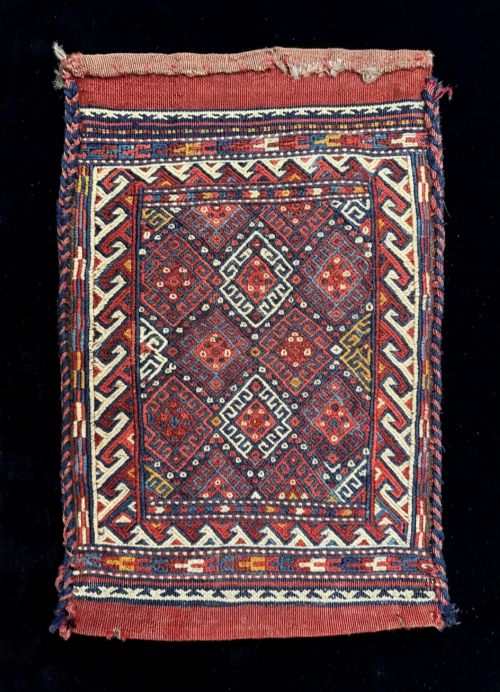
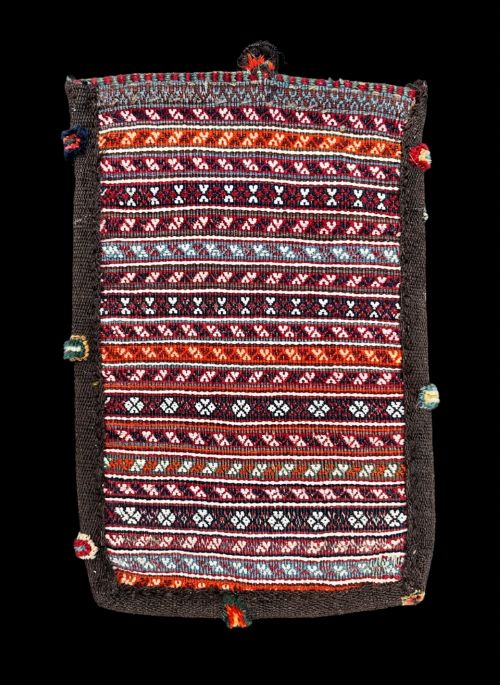
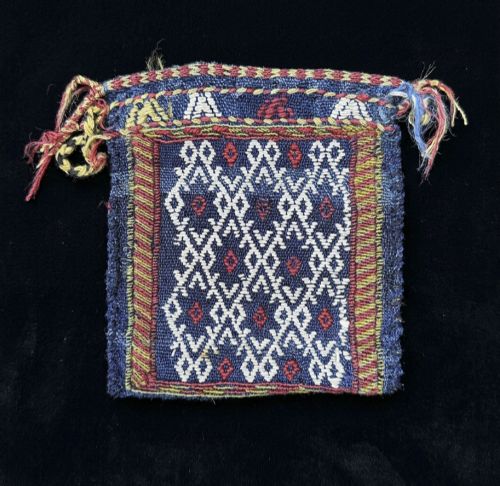
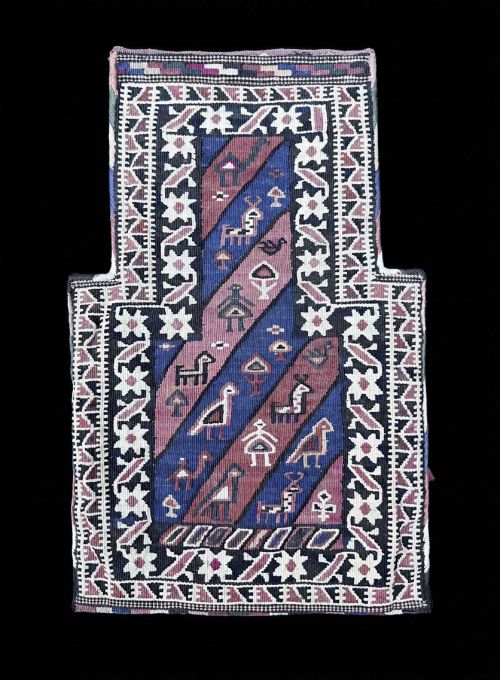
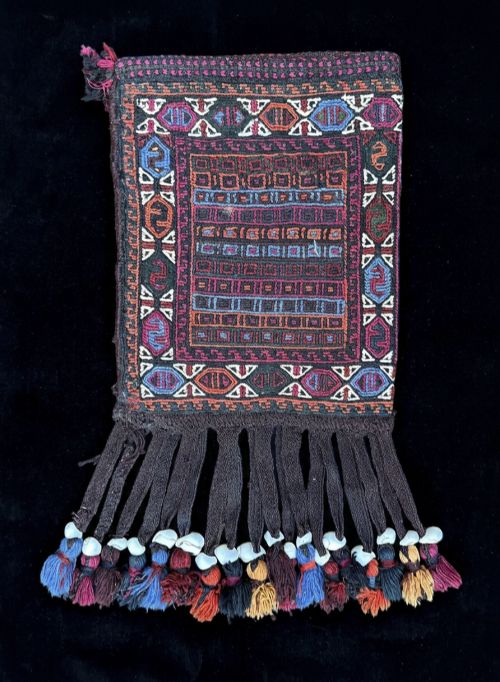
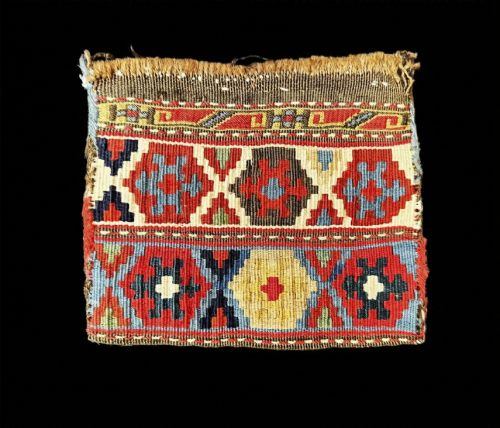
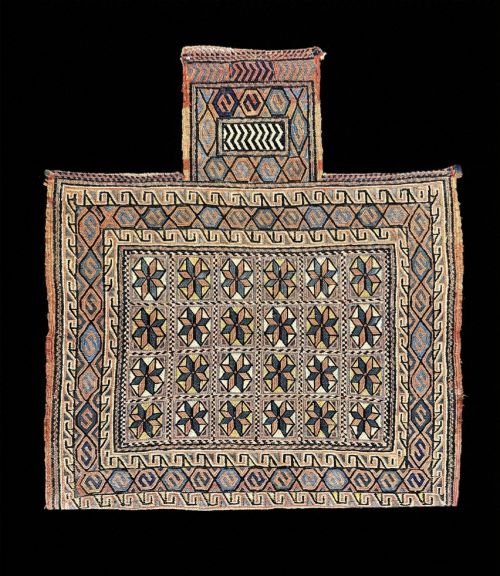
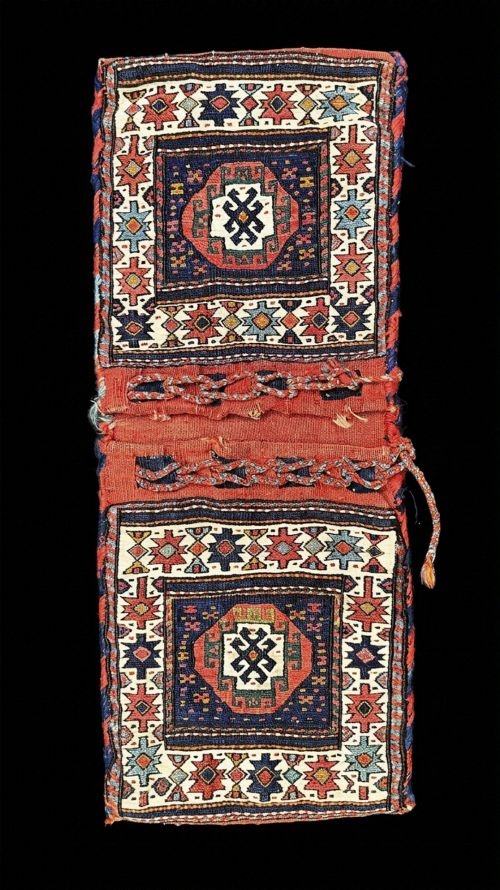
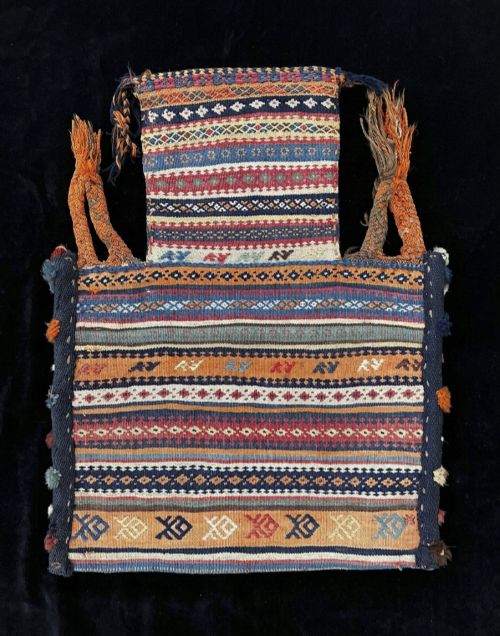
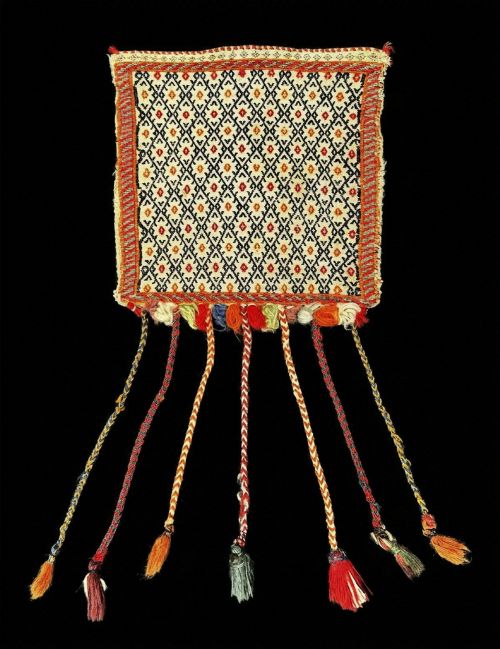
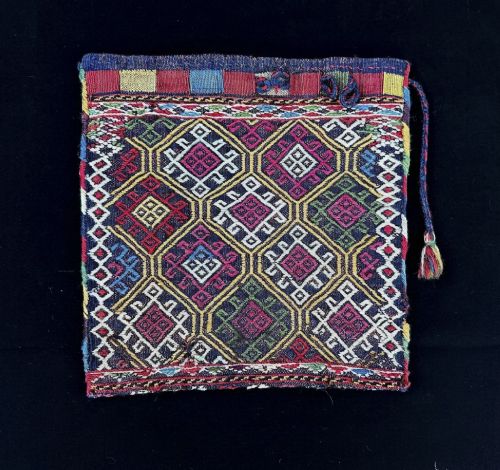
An antique flatweave pouch represents functional nomadic weaving created for daily transport and storage within tribal camps. These textiles include vanity bags, salt bags, small saddlebags, and specific forms such as the chanteh and tubreh.
Pieces span the late nineteenth and early twentieth centuries, originating from regions including Azerbaijan, Fars Province, and Khorassan. The listings feature work attributed to Shahsevan, Qashqa'i, Kordi, Afshar, Baluch, and Tekke Turkmen groups.
The most common formats met on this page are vanity bags and salt bags produced by Persian and Caucasian tribal groups. They utilise flatweave techniques like Soumak work and banded designs rather than pile knotting.
How they were made
Weavers constructed these pieces using hand-spun wool and cotton foundation materials dyed with natural colours. The structures rely on flatweave and soumak work techniques, creating durable utility items designed for nomadic transport.
Many surviving examples retain original wool backs, closures, and woven hanging bands. Artisans incorporated decorative elements such as cowrie shells into specific bags during the construction process.
Antique Flatweave Pouch Retail Price Guide 2026
Typical asking prices for flatweave pouch among the pieces listed under this phrase on Sellingantiques today, from the lower quarter to the upper quarter. They describe what is for sale here now, not the wider market.
Some salt bags crossed mountain ranges carrying mineral treats for livestock before ending up preserved as miniature masterpieces.
What varies in quality
Quality rests in the precision of the flatweave structure and the complexity of the tribal pattern work. Finer examples display tight, even hand-spun wool structures and sophisticated regional iconography.
The presence of original backs, complete hanging systems, and intact decorative attachments separates standard utility survivals from more comprehensive examples. The depth and integrity of the natural dyes also distinguish the finer items.
The Antique Flatweave Pouch Glossary
- Chanteh
- A small tribal vanity bag or personal pouch woven on a flatweave structure. These pieces were utilised by nomads for carrying personal items.
- Tubreh
- A traditional tribal bag or feed bag used across Persian and Caucasian regions. They are typically rendered in durable flatweave techniques.
- Soumak
- A wrap-weft weaving technique that creates a durable, textured surface without knotting. It forms crisp geometric patterns across tribal storage bags.
- Salt-bag
- A utilitarian container woven by tribal groups to store rock salt for livestock or domestic use. They often feature narrow necks and sturdy hanging loops.
- Kilim
- A tapestry-woven carpet or flatweave textile produced without a pile. These flatweave constructions form the structural body of many nomadic bags.
Antique Flatweave Pouch: Frequently Asked Questions
What is an antique flatweave pouch used for?
These textiles served practical functions within nomadic life, acting as personal vanity containers, salt holders, and small saddlebags for transport.
Nomads utilised them inside tents and during migrations to store essential personal items and provisions securely.
How do I care for an antique flatweave pouch?
Keep these wool and cotton textiles out of direct sunlight to protect the natural dyes from fading over time. Gentle vacuuming through a mesh screen helps remove dust without disturbing the flatweave structure.
Avoid moisture and professional wet cleaning unless handled by a textile conservator familiar with nomadic woolwork.
Where were these bags made?
The pieces originate from tribal and nomadic groups across Persia and Azerbaijan, including the Shahsevan, Qashqa'i, Kordi, and Afshar.
Weavers produced them in regional locations such as the Moghan region, Fars Province, and Khorassan.
How can I tell the period of a tribal bag?
Dating relies on material analysis, including the presence of hand-spun wool and natural dye palettes typical of the late nineteenth and early twentieth centuries. Structural traits, regional designs, and traditional tribal attributions provide further chronological indicators.
Comparative study of known tribal weaving traditions helps narrow down the decade of production.