




Antique Flap Top Table
An antique flap top table offers flexible surface space and ingenious folding mechanisms, making it a practical choice for period interiors.

Antique Flap Top Table
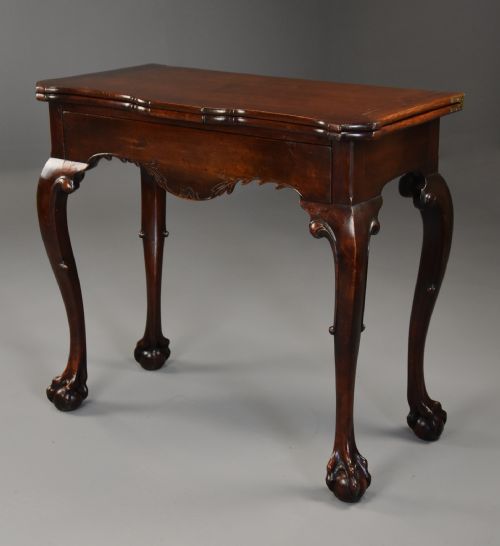
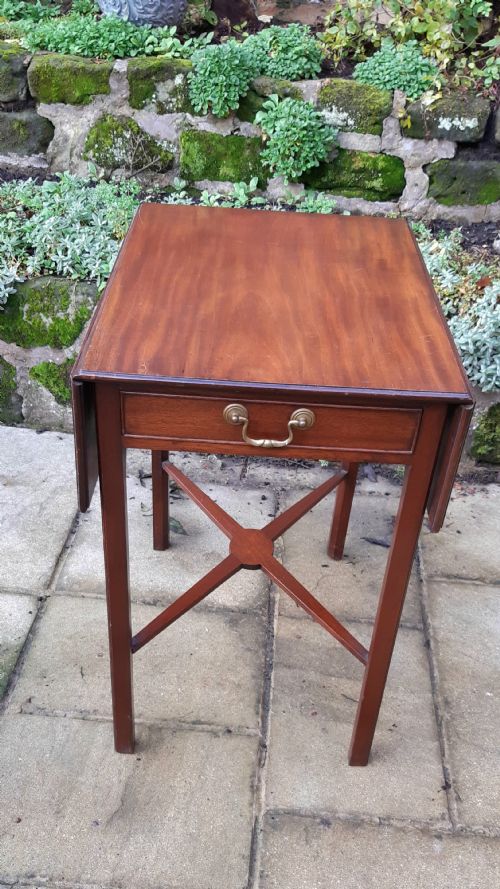
When you search for an antique flap top table, you encounter a versatile group of domestic furnishings designed to expand when needed and fold away compactly. The selection on this page spans utilitarian occasional pieces to formal tea and card tables from the eighteenth and nineteenth centuries.
The core forms include tea tables, card tables, drop-leaf tables, and occasional tables originating from Georgian, Edwardian, and later periods. Mahogany, walnut, and oak form the backbone of these pieces, often incorporating swivel tops or folding flaps supported by hinged legs.
Indicators of quality
Quality rests in the precision of the folding mechanism and the stability of the legs when extended. Superior examples maintain a level surface across the leaf joints without sagging or binding at the hinges.
The choice of timber grain, such as figured burr walnut or rich Cuban mahogany, defines the visual merit of the top. Finely executed marquetry inlay and crisp carving on the legs further distinguish higher-tier pieces from utilitarian versions.
Antique Flap Top Table Retail Price Guide 2026
Typical asking prices for flap top table among the pieces listed under this phrase on Sellingantiques today, from the lower quarter to the upper quarter. They describe what is for sale here now, not the wider market.
Listings feature mahogany, walnut, and oak across periods ranging from the early eighteenth century through the Edwardian era.
The Antique Flap Top Table Glossary
- Flap top
- A hinged surface section that lifts or folds over to double the available table area when supported. This clever device allowed dining or gaming tables to sit flush against a wall when not in use.
- Rule joint
- A specialised moulding shaped like a knuckle used on drop leaves to hide the gap between the fixed top and the folding flap. It provides a neat continuous line regardless of whether the leaf is raised or lowered.
- Marquetry
- Decorative patterns formed by fitting small pieces of veneer into a prepared ground surface. It frequently employs contrasting timbers to create floral or geometric motifs.
- Cuban mahogany
- A dense, dark timber harvested in the Caribbean and widely utilised by British cabinet makers during the eighteenth century. Its tight grain takes a high polish and resists heavy wear.
Antique Flap Top Table: Frequently Asked Questions
How do I use an antique flap top table today?
These tables function well as console surfaces against a wall or pulled out into the centre of a room when entertaining. The folding leaves allow you to adjust the surface area to suit smaller spaces.
Keep them away from direct heat sources and strong sunlight to protect the polished timber and veneer surfaces from drying out or fading over time.
What is the difference between a tea table and a card table?
Tea tables typically feature a plain or dished fold-over top designed to hold porcelain teaware during eighteenth-century social gatherings. Card tables usually conceal a baize-lined playing surface and sometimes include small corner wells for coins or counters.
Both rely on hinged flaps, but their internal construction reflects their specific historical uses in the parlour or drawing room.
How do I identify a Georgian flap top table?
Georgian pieces often display dense mahogany or walnut timbers, hand-cut dovetails within any drawers, and cabinetmaking techniques typical of the eighteenth century. Look for patination developed through decades of gentle cleaning and use.
Leg styles on these examples frequently feature pad feet, cabriole shaping, or straightforward straight supports depending on the exact decade of manufacture.
Are drop leaf and flap top tables the same thing?
The terms often overlap, though a drop leaf typically refers to hinged side flaps supported by swinging legs or wooden arms. A flap top often denotes a surface that folds completely over onto a matching base to conceal the interior.
Both mechanisms serve the same fundamental purpose of saving floor space while offering an expanded surface when required.