



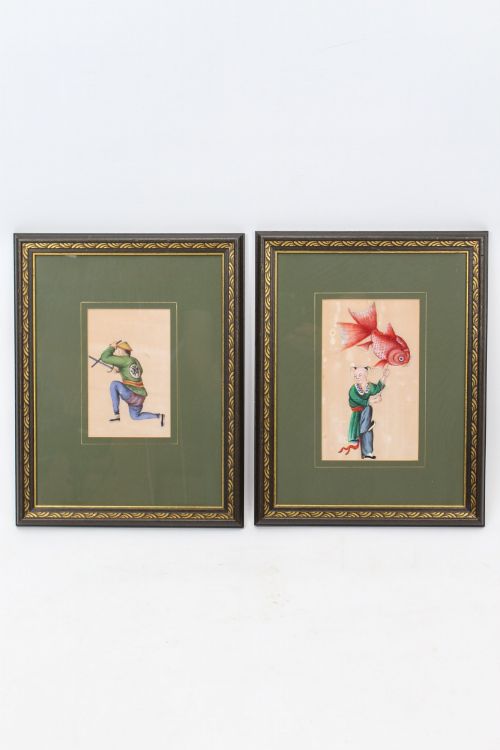
Antique Fish Artwork
Antique fish artwork brings coastal life and maritime history into interiors through nineteenth and early twentieth-century watercolours, oils, and still life paintings.
Antique Fish Artwork
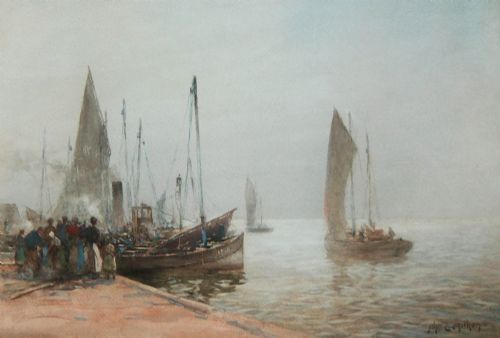
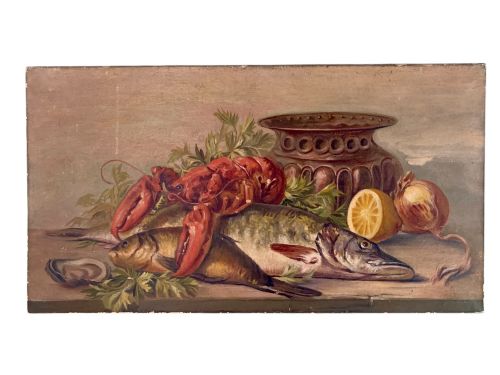
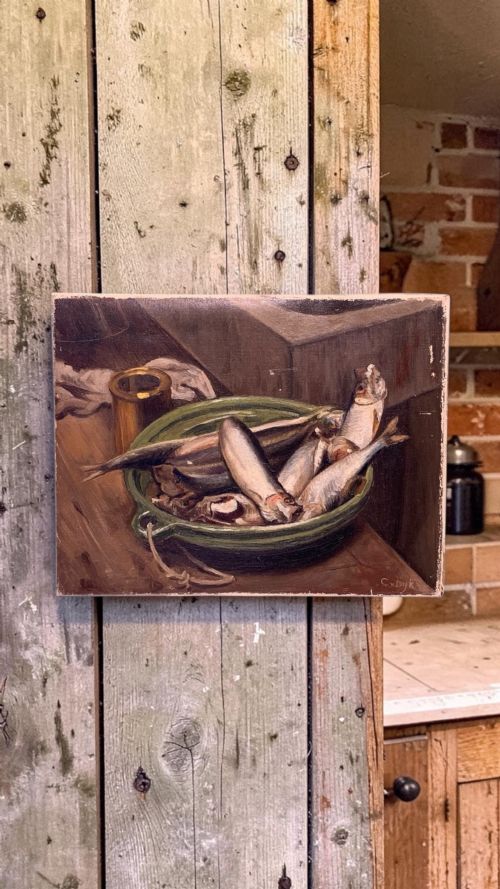
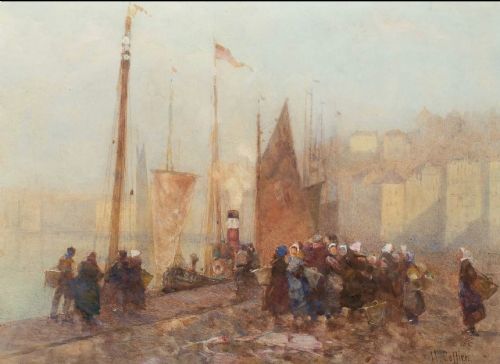
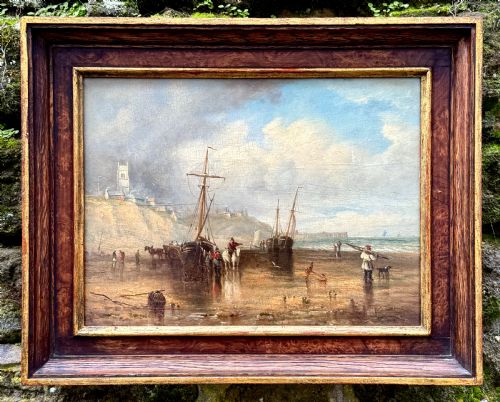
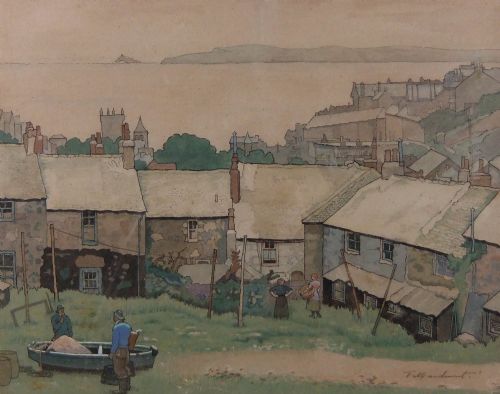
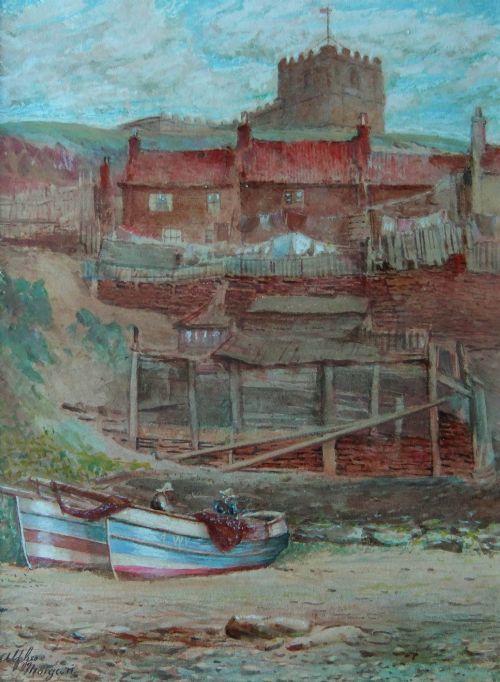
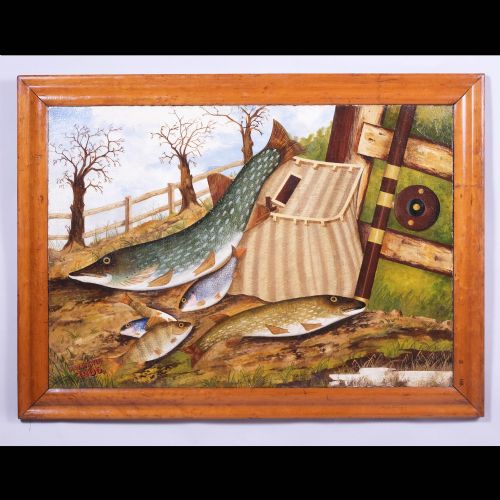
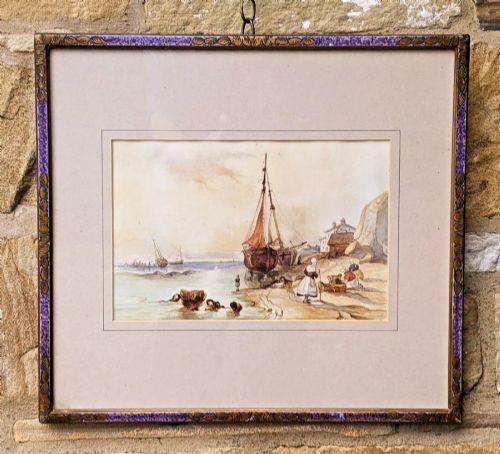
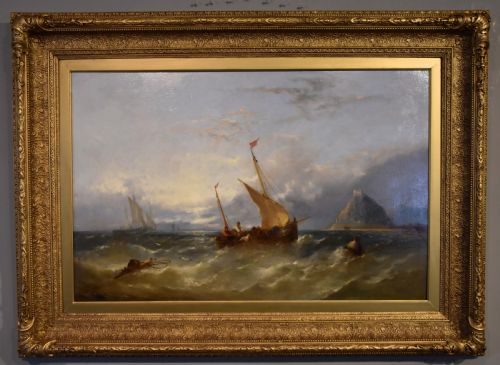
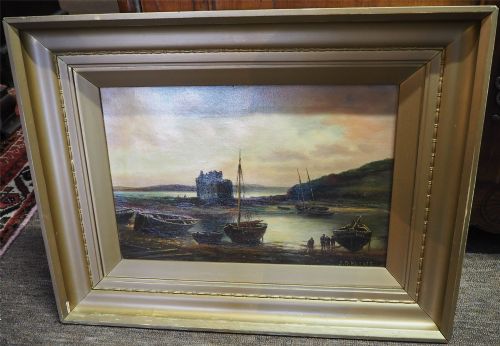
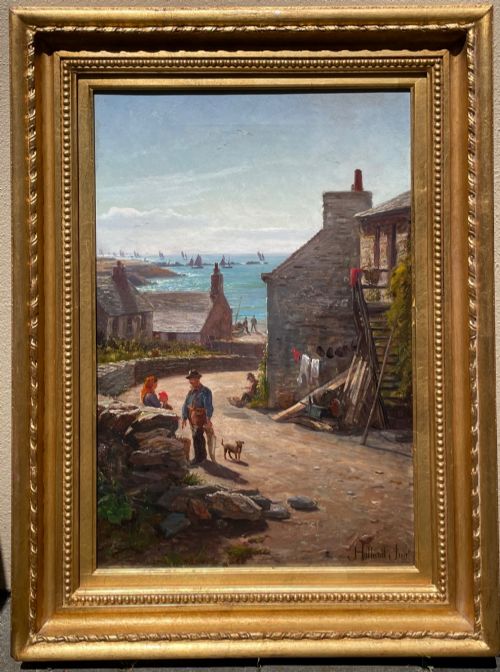
When buyers search for antique fish artwork, they encounter maritime scenes, harbour views, and still life compositions. These pieces capture fishing boats, coastal catches, and aquatic life across the nineteenth and twentieth centuries.
Watercolours and oil paintings dominate the selection, rendered on canvas, paper, wood panel, and card. Works range from detailed depictions of British and French harbours to quiet studies of lobsters and river fish.
Victorian and Edwardian maritime traditions supply the majority of these paintings. Scenes often portray specific coastal locations such as Whitby, St Ives, and various French ports.
Materials and techniques
Artists applied oil paint and watercolour pigment to prepared canvas, wood panel, heavy paper, and card. Oil mediums allowed for textured seascapes and deep tones, while watercolours offered transparent washes for coastal light.
Support structures varied from stretched canvas on wooden frames to solid wood panels and sturdy card. Many surviving examples retain their original framing materials, such as giltwood.
Listings feature paper, wood, canvas, and glass materials across Victorian and twentieth-century periods.
Distinctions in quality
Quality rests upon the artist's handling of light, atmosphere, and movement within the marine environment. Superior works demonstrate precise control over water reflections, vessel rigging, and coastal architecture.
The clarity of composition and the strength of the pigment preservation determine the visual impact of each painting. Pieces by recognised nineteenth-century marine painters display greater depth and narrative detail than anonymous works.
James Orrock·Thomas Creswick·William Henry Williamson·George Stanfield Walters·Charles Napier Hemy·Thomas Bush Hardy
The Antique Fish Artwork Glossary
- Seascape
- A work of art depicting the sea, coastal views, or marine vessels. These subjects form the core of maritime painting.
- Watercolour
- A painting method where fine pigment is suspended in a water-soluble binder, usually applied to paper. It relies on the white of the paper to provide luminosity.
- Oil on canvas
- A traditional painting technique utilising pigments bound in drying oil applied to a woven fabric stretched across a wooden frame. This method permits rich textures and subtle blending.
- Panel painting
- A flat piece of wood used as a structural support for a painting instead of canvas. It provides a rigid surface for detailed brushwork.
- Still life
- A painting featuring inanimate subject matter, typically everyday objects or food items such as fish and lobsters. These compositions focus on texture and light.
Antique Fish Artwork: Frequently Asked Questions
How do I identify the period of a maritime painting?
Examination of the clothing, boat architecture, and framing materials provides clues to the era of creation. Stylistic shifts from Victorian detail to Edwardian impressionism also help narrow the date.
Signatures, exhibition labels, and artist registry records offer definitive confirmation of the painting period.
Where should I hang a coastal oil painting?
These works suit dining rooms, studies, and hallways where natural light enhances the painted water and sky. Pairing them with neutral wall colours allows the marine tones to stand out.
Direct sunlight should be avoided to protect both the canvas and the original pigments from fading over time.
How do watercolours differ from oil paintings in these subjects?
Watercolours utilise paper supports and transparent washes, resulting in lighter, more delicate coastal atmospheres. They require protective glass framing to prevent moisture damage.
Oil paintings provide heavier textures and deeper pigments on canvas or panel, offering greater durability against environmental changes.
What subjects appear most frequently in these marine artworks?
Fishing boats navigating choppy seas, harbour docking scenes, and coastal villages form the primary subjects. Still life arrangements featuring freshly caught fish or lobsters also feature prominently.
Artists frequently recorded specific British and European coastal topography, documenting working ports and maritime trades.