






Antique Fireside Kettle
These antique fireside kettle pieces are practical hearth companions in copper, brass, and iron that bring period warmth to any room.
Antique Fireside Kettle
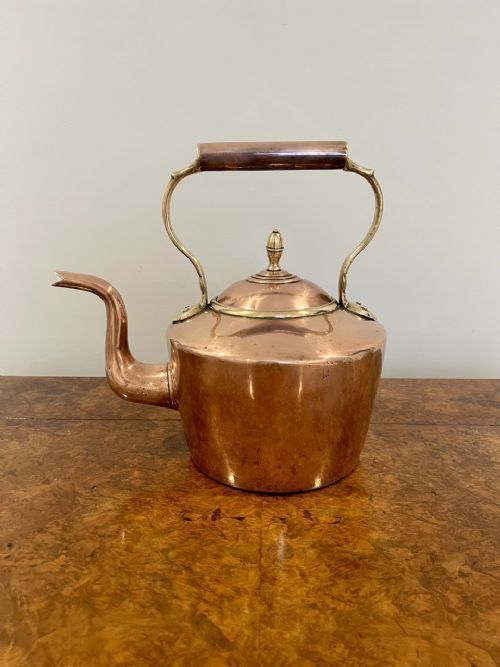
An antique fireside kettle is a heavy metal vessel designed to sit by the hearth for boiling water or warming contents over coal and wood fires. These pieces span the Georgian, Victorian, and Edwardian eras, reflecting the domestic habits of past centuries.
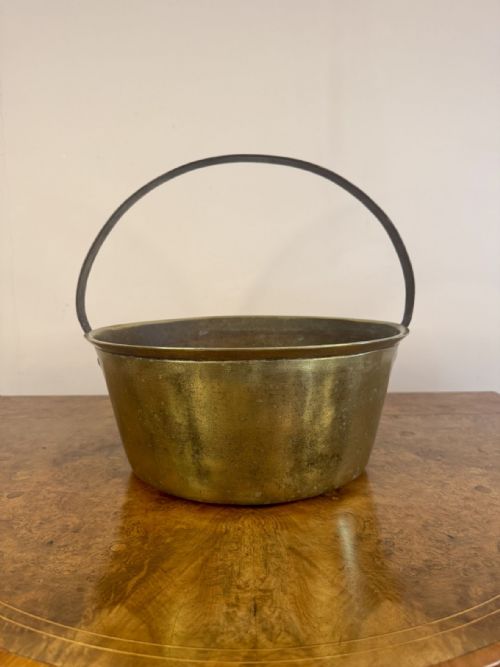
The versions most commonly met on this page are generous copper and brass kettles alongside iron or steel footmen and trivets. They often appear alongside related fireside accessories such as jam pans and preserve warmers.
Makers fashioned these utilitarian objects to withstand intense heat, resulting in robust constructions of cast brass, wrought iron, and heavy gauge copper. Their forms range from simple footmen to large tea kettles intended for active fireside service.
Materials and construction
Craftsmen utilised heavy copper, brass, bronze, and iron to build these hearth utensils. Metal sheets were beaten, joined, and riveted by hand, while bases often incorporated cast components for extra durability against direct flames.
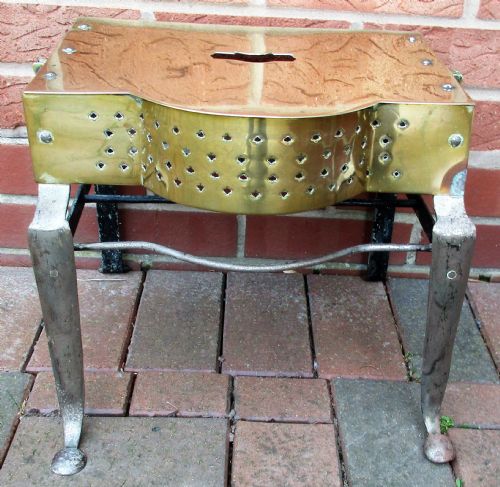
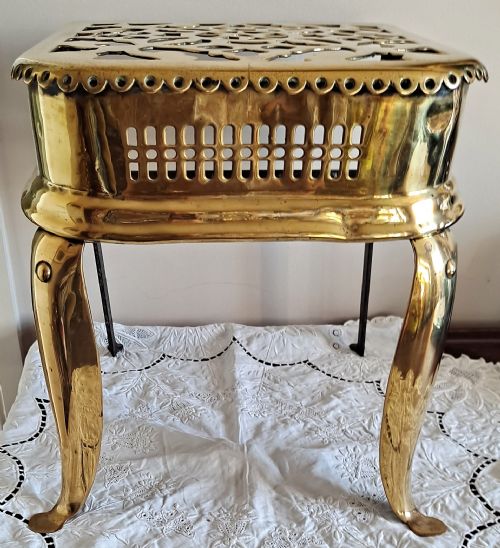
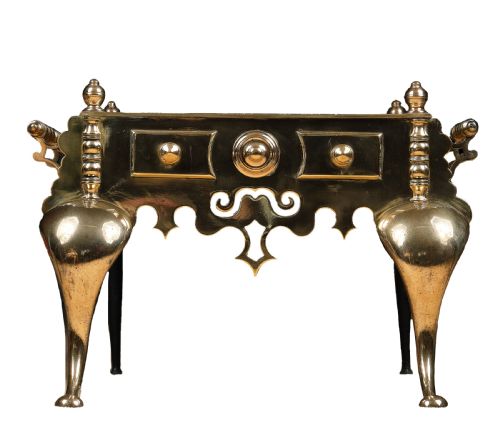
Footmen and trivets combined brass tops with sturdy steel or wrought iron legs to support weighty kettles above the ash. Surface finishes varied from polished brass to patinated copper acquired through decades of fireside use.
Antique Fireside Kettle Retail Price Guide 2026
Typical asking prices for fireside kettle among the pieces listed under this phrase on Sellingantiques today, from the lower quarter to the upper quarter. They describe what is for sale here now, not the wider market.
Factors of quality
Quality rests in the weight of the metal, the integrity of the hand-formed joints, and the crispness of any cast details. Superior examples display heavy gauge copper and robust handles that maintain their structural form despite heavy use.
The proportion and balance of footmen and trivets also separate standard items from finer productions. Pieces with well-integrated brass tops and strong iron framework demonstrate superior workshop execution.
The Antique Fireside Kettle Glossary
- Trivet
- A small metal platform or stand designed to hold a kettle above the hearth. These often match the period style of the associated cookware.
- Jam pan
- A wide, open metal vessel used for preserving fruit over a hearth fire. These pieces share the heavy copper construction seen in fireside kettles.
- Trammel
- An adjustable iron hook used in open chimneys to suspend cookware at varying heights above the fire. This apparatus worked alongside hearth kettles.
Antique Fireside Kettle: Frequently Asked Questions
How were fireside kettles used?
These vessels sat directly on the hearth, trivet, or footman to boil water using the heat from the open coal or wood fire. They provided a constant supply of hot water for domestic tasks.
Over time, their role shifted from purely utilitarian kitchenware to decorative hearth pieces that brought warmth and historical character to a room.
How do I date an antique kettle?
Dating relies on observing the materials, form, and construction methods used in the piece. Georgian examples often feature heavy hand-beaten copper with distinct joining techniques.
Later Victorian and Edwardian items introduce different handle attachments and alloy compositions. Comparing the style of the brasswork helps narrow down the decade of production.
How do I clean brass and copper?
Maintenance typically involves dusting and gentle cleaning to preserve the historic patina rather than achieving a bright modern shine. Harsh abrasives can damage the surface of older metals.
Many collectors prefer to leave the natural oxidation that develops over decades of exposure to hearth smoke and atmosphere.
What is a footman used for?
A footman served as a movable hearth shelf placed near the fire to warm plates or heat water in a kettle. The elevated design protected the floor and kept items within reach.
These sturdy stands combined brass tops with iron frames to support heavy metal cookware safely over hot embers.