



Antique Fireplace Rests
These antique fireplace rests are the hearth furniture that holds burning wood or supports fire tools, bringing practical purpose and period character to an open grate.
Antique Fireplace Rests
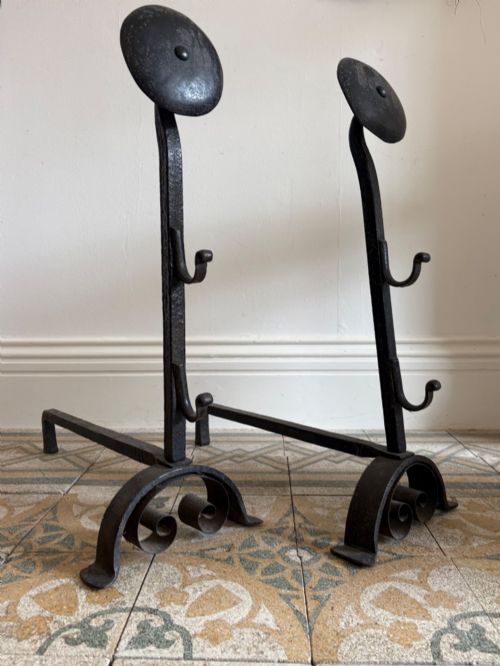
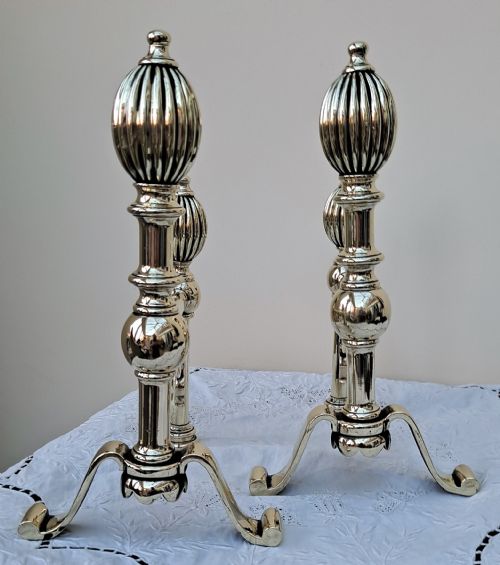
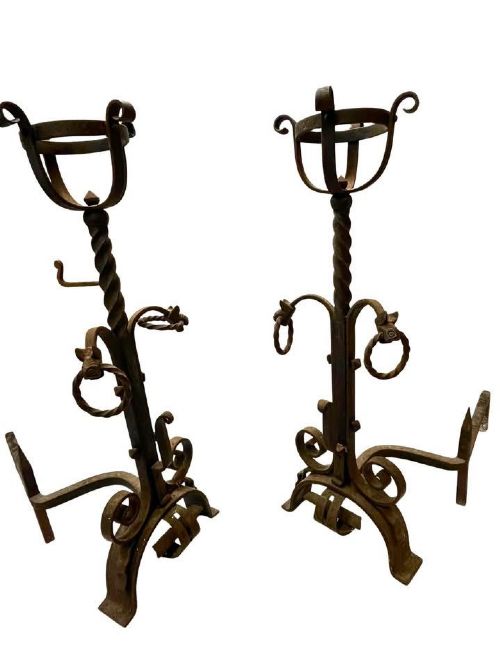
When you search for antique fireplace rests, you encounter heavy hearth furniture designed to support logs or hold fireside tools. The selection spans sturdy iron and polished brass pieces that served domestic hearths across centuries.
The Victorian period dominates the pieces seen here, alongside Georgian, Edwardian, and specific design movements like Arts and Crafts and Aesthetic Movement. Most examples appear as pairs of andirons, fire dogs, or dedicated tool rests meant to flank the hearth.
Makers shaped these items from practical necessities into decorative centrepieces for coal and wood fires. Alongside upright dogs, the categories include fenders, trivets, and companion sets that complete the fireplace setting.
How they were made
Foundry workers shaped these heavy accessories using cast iron, wrought iron, and steel for structural strength. Metalcasters poured molten iron into moulds to create ornate dogs and fenders, while blacksmiths hammered wrought iron into functional fire irons and rests.
Artisans utilised brass and gilt brass for bright decorative finishes on Victorian and French Rococo examples. Polished steel surfaces offered a reflective sheen, often paired with cast iron bodies or bronze details to withstand intense hearth heat.
Styles represented include Victorian, Georgian, Edwardian, Arts and Crafts, Aesthetic Movement, Gothic Revival, and French Rococo.
What varies in quality
The distinction between standard utility items and finer examples lies in the crispness of the casting and the weight of the metal. Heavier brass and thick cast iron demonstrate substantial material use, whereas lighter pieces lack the same grounding presence on the hearth.
Detailing separates mass-produced items from superior workshop output, particularly in hand-chased brass ornamentation and the balanced proportions of wrought iron scrolls. Maker marks, such as those from James Cartland & Sons, indicate recorded production standards.
James Cartland & Sons
The Antique Fireplace Rests Glossary
- Andirons
- Heavy metal supports placed on the hearth to hold logs above the floor for better airflow. They often feature decorative fronts that match companion fire tools.
- Chenet
- The French term for a fire dog or andiron, typically associated with ornate gilt brass rococo designs. These decorative rests sit at the front of the hearth.
- Fender
- A low metal guard placed around the hearth to contain ash and embers. They frequently incorporate integrated rests for fire irons.
- Trivet
- A small metal stand raised on feet, used for holding kettles or pots near the fire. Georgian and Victorian examples often feature pierced brass tops.
- Fire irons
- The set of poker, tongs, and shovel used to tend the fire. They often hang from dedicated rests or pair directly with matching fire dogs.
Antique Fireplace Rests: Frequently Asked Questions
What is the difference between fire dogs and andirons?
The terms are largely interchangeable for the metal supports that sit within an open hearth. Both varieties hold logs in place and feature decorative fronts facing into the room.
Historical listings often use both words to describe the same pair of heavy rests, though specific regional preferences sometimes favoured one term over the other.
How do I match fireplace rests to my grate?
Consider the metal finish and period style of your existing fireplace surround when selecting rests. Brass and polished steel suit Victorian and Edwardian grates, while wrought iron pairs well with earlier rustic settings.
Proportion matters greatly on the hearth, so measure the width of your opening to ensure the rests sit comfortably without dominating the space.
Were these rests used for cooking?
Many sturdy iron rests and trivets served a dual purpose for heating water and keeping pots warm beside the flames. Kettle stands and small trivets lifted cookware above the ash.
Heavier andirons remained dedicated to supporting logs, though some incorporated basket tops or spits for culinary use in earlier centuries.
How do I clean polished brass fireplace rests?
Maintenance requires gentle cleaning to preserve the aged surface rather than achieving a modern mirror shine. Soft cloths and traditional brass cleaners remove accumulated soot without stripping the underlying metal.
Avoid harsh abrasives that can wear away crisp cast details or historical patination accumulated over generations of hearth use.