


Antique Fireplace Poker
An antique fireplace poker is a practical hearth implement forged or cast to tend open fires with substance and style.
Antique Fireplace Poker
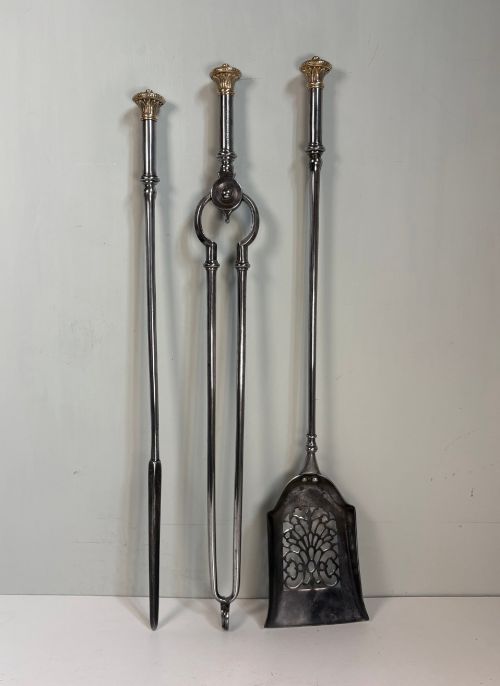
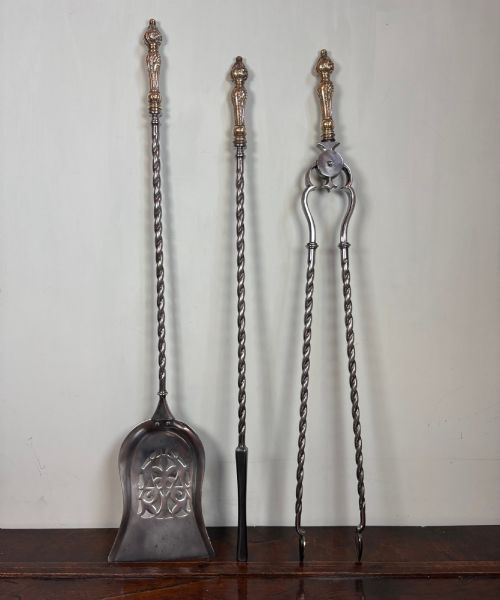
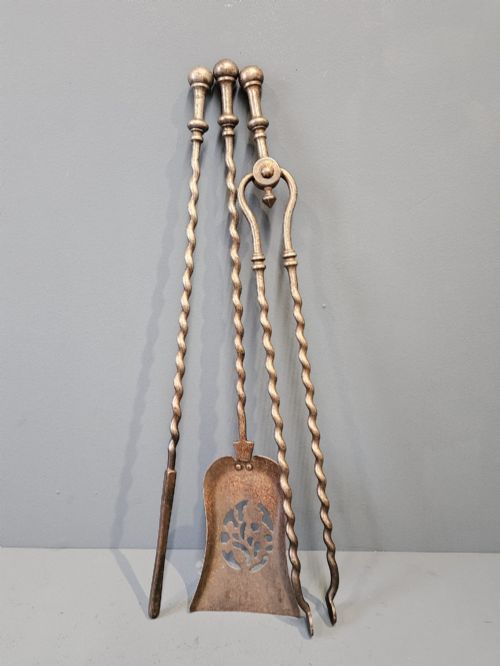
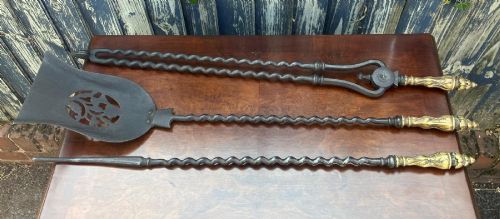
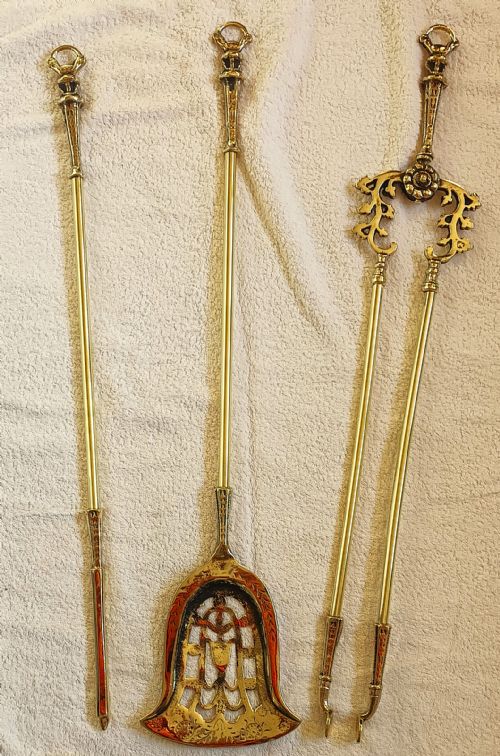
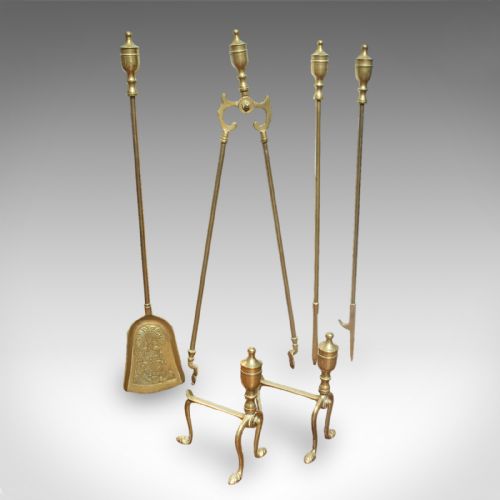
When you examine an antique fireplace poker, you are looking at a fundamental hearth tool designed to move burning logs and coal within an open grate. The examples meeting this search phrase appear predominantly within larger companion sets or fire irons dating from the Georgian, Victorian, and Edwardian eras.
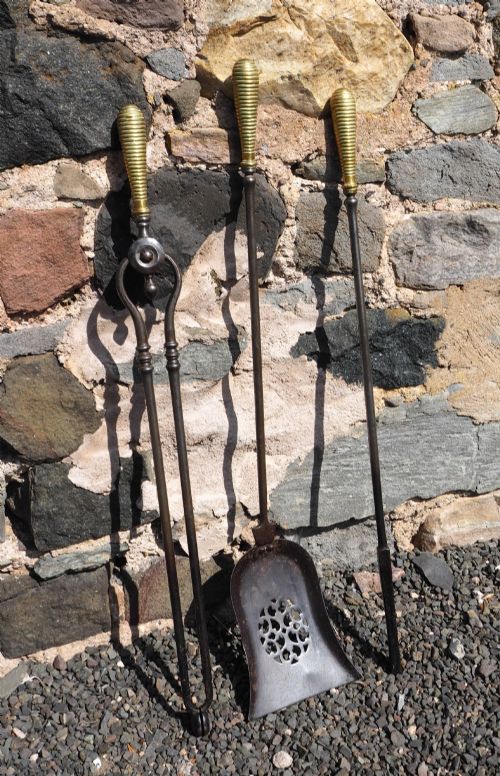
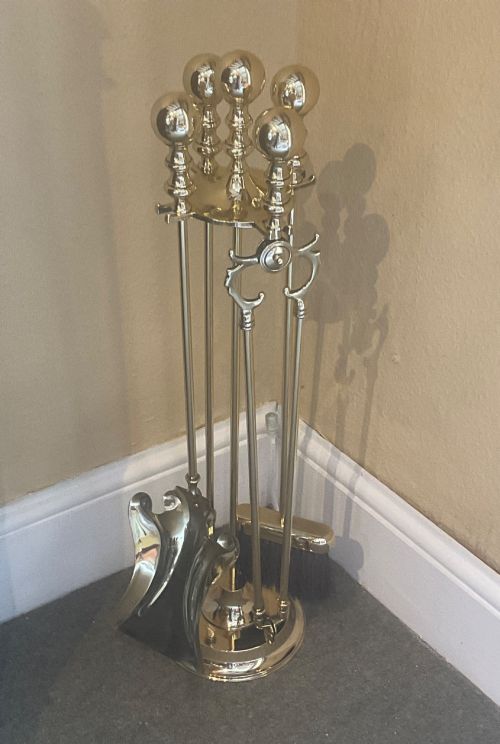
You are most likely to meet pieces formed from brass or steel, often accompanied by matching shovels and tongs within English country house and urban settings. These items reflect the domestic routines of their period, serving both a daily functional role and a decorative purpose beside the hearth.
How they were made
Makers fashioned these pokers using durable metals such as steel, iron, and brass, utilising forging, casting, and polishing techniques. Wrought iron and steel provided the structural strength required for heavy daily use, while cast or polished brass offered brighter decorative finishes.
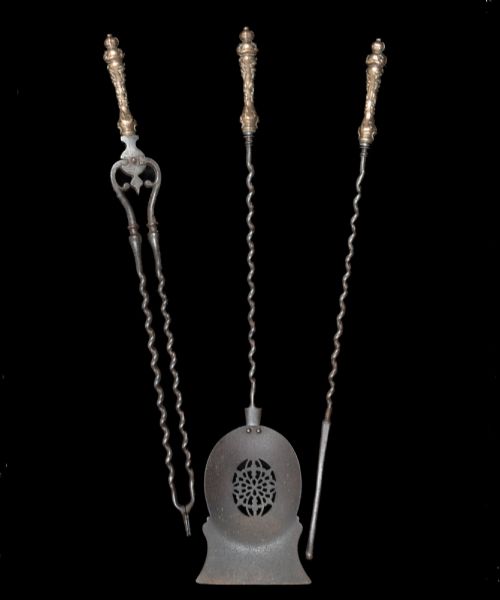
Handles often received specialised attention, incorporating turned wooden grips, rope twist details, or ornate gilt brass mounts. These combined methods ensured the tool could withstand high temperatures while maintaining an elegant appearance in the drawing room.
What varies in quality
Quality in these items rests in the weight of the metal and the integrity of the construction, distinguishing substantial hearth tools from lighter decorative alternatives. A heavier gauge of steel or a thicker casting of brass indicates a piece intended for serious service rather than display alone.
Refinement of detail further separates the range, visible in the crispness of turned handles, secure joints, and the harmony of design across a complete set of fire irons. Superior examples display balanced proportions that make the tool comfortable to lift and use.
The Antique Fireplace Poker Glossary
- Fire irons
- A collective term for the set of metal implements used to maintain an open fire, typically including a poker, shovel, and tongs.
- Companion set
- A matched collection of fireside accessories, often arranged together in a dedicated stand or alongside fire dogs.
- Polished steel
- A bright, reflective metal surface achieved through careful abrasion, common in nineteenth-century hearth equipment.
- Rope twist
- A decorative spiral carved or moulded into the handle of a metal tool to emulate twisted cord.
- Fire dogs
- Metal supports placed within a hearth to hold logs above the floor of the grate, frequently found alongside period tool sets.
Antique Fireplace Poker: Frequently Asked Questions
How do I clean an old brass poker?
Maintenance requires gentle cleaning with a soft cloth to preserve the historic patina built up over generations of use. Avoid harsh chemical polishes that strip away the aged character inherent in antique metals.
For stubborn residue, warm soapy water and careful drying will protect the surface without altering its colour or finish.
Can I use these pokers on a real fire?
Most period pokers were constructed from robust materials like steel, iron, and brass specifically designed for stoking coal and wood fires. Solidly made examples remain entirely functional for modern hearths.
Lighter decorative sets or hollow handled pieces are better suited for display rather than heavy daily stoking.
How do I date a fireplace poker?
Dating relies on observing the prevailing styles, manufacturing techniques, and accompanying pieces within a set. Georgian examples often display restrained elegance, while Victorian and Edwardian pieces embrace heavier casting or ornate brass work.
Comparing the tool to known companion set configurations helps narrow down the period of manufacture.
What pieces belong in a fire set?
A traditional set typically comprises a poker for moving fuel, a shovel for clearing ash, and tongs for handling smaller pieces of coal or wood. These three implements frequently share matching handles and decorative motifs.
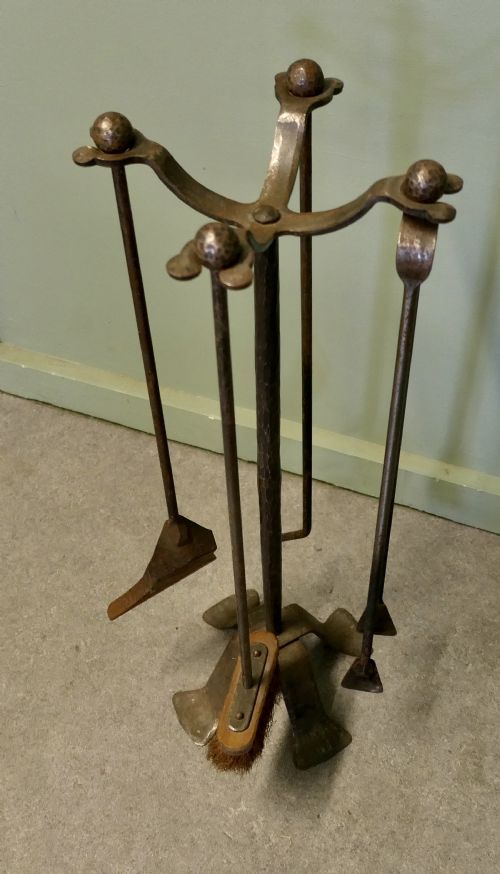
Larger suites sometimes include associated items such as hearth brushes or companion stands.