



Antique Fireplace Backing
These heavy cast iron antique fireplace backing pieces anchor a hearth with centuries of English foundry work and classical design.
Antique Fireplace Backing
An antique fireplace backing primarily comprises heavy cast iron firebacks and firegrates designed to radiate heat and protect the masonry behind an open fire. These objects serve a functional purpose while anchoring the hearth with substantial weight and presence.
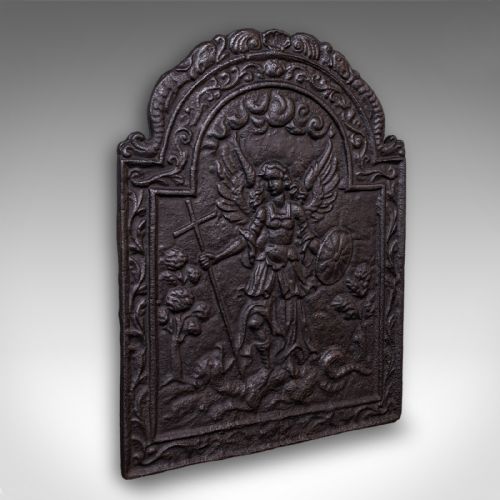
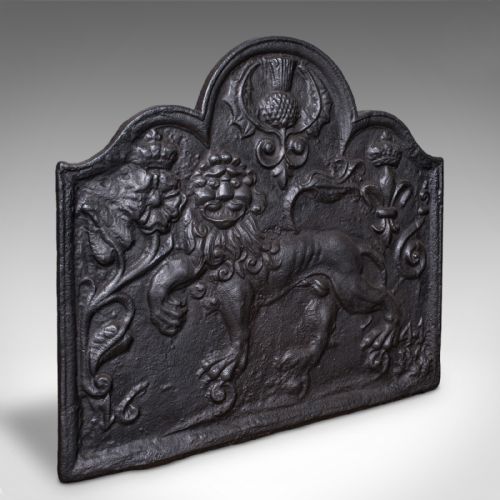
The pieces on this page span the Victorian and Georgian eras, alongside neoclassical revival styles and English country house variants. Most examples take the form of heavy cast iron panels decorated with relief patterns, heraldic motifs, or classical designs.
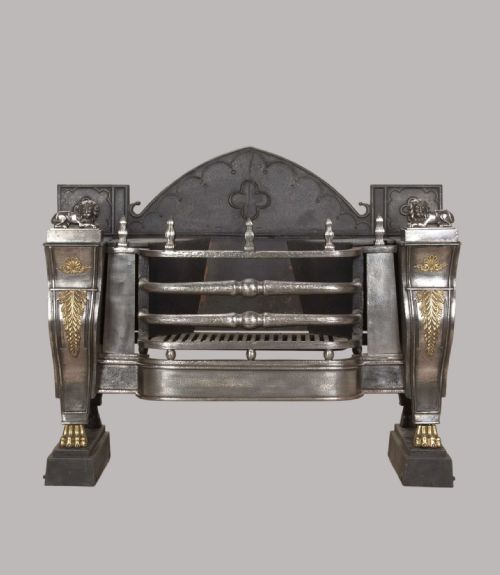
Alongside dedicated firebacks, the selection encompasses related hearth furniture such as fire baskets, hob grates, and complete grates with andirons. These items originate from British domestic settings and country houses where open coal and wood fires demanded durable ironwork.
How they were made
Foundries manufactured these pieces primarily from cast iron and wrought iron, utilising moulds pressed into sand to create deep relief decoration. The molten metal cooled into thick, rigid plates capable of withstanding intense hearth temperatures over generations of use.
Makers finished many items with hand-tooled details or paired the heavy iron panels with brass fittings and matching grates. The material density varied according to the size and intended heat output of the fireplace.
Antique Fireplace Backing Retail Price Guide 2026
Typical asking prices for fireplace backing among the pieces listed under this phrase on Sellingantiques today, from the lower quarter to the upper quarter. They describe what is for sale here now, not the wider market.
Listings feature heavy cast iron firebacks and grates spanning the Georgian and Victorian eras, alongside neoclassical revival styles.
What varies in quality
Quality rests upon the crispness of the cast relief work and the thickness of the iron plate. Finer pieces display sharply defined neoclassical motifs, heraldic details, or figurative scenes rather than soft, worn casting lines.
The structural integrity of the ironwork and the presence of balanced proportions determine the distinction between utility pieces and decorative examples. Superior castings resist thermal shock more effectively and retain deeper artistic detail across the entire surface.
The Antique Fireplace Backing Glossary
- Fireback
- A heavy iron plate placed at the back of an open fireplace to reflect heat into the room and protect the wall. These plates often feature cast relief decoration.
- Hob grate
- A fireplace grate featuring raised metal platforms on either side for keeping kettles warm. This design became popular during the Georgian and Regency periods.
- Neoclassical Revival
- A stylistic movement drawing inspiration from classical Greek and Roman architecture and art. This aesthetic appears frequently in Victorian decorative ironwork.
- Wrought iron
- Iron that has been heated and worked with tools rather than cast in a mould. It provides toughness and malleability for structural fireplace components.
Antique Fireplace Backing: Frequently Asked Questions
What is an antique fireplace backing used for?
These iron plates and grates sit against the rear wall of an open hearth to absorb and radiate heat back into the living space. They also shield the original brickwork from direct flame damage.
Beyond heating utility, decorative examples introduce historical texture and focal weight to a chimney breast whether a fire burns or not.
How do I install a heavy fireback?
A heavy cast iron fireback stands upright against the rear masonry of the fireplace, usually supported by the hearth floor or integrated feet. Due to their immense weight, stability is paramount.
Professional installation ensures the plate rests securely against the brick without tipping forward under thermal stress or vibration.
How can I tell Victorian firebacks apart from Georgian ones?
Georgian pieces often display restrained classical symmetry, simpler moulding profiles, or early industrial casting marks. Victorian examples frequently embrace heavier relief work, heraldic symbolism, and revival styles.
Examining the depth of the casting and the specific decorative motifs provides clear clues to the period of manufacture.
Can I use an antique fireback with a modern fire?
Many antique cast iron firebacks suit modern open hearths provided the dimensions allow stable placement behind the fuel bed. The durable iron handles high temperatures without difficulty.
Checking the thickness and structural soundness of the specific plate ensures safe integration with contemporary burning setups.