

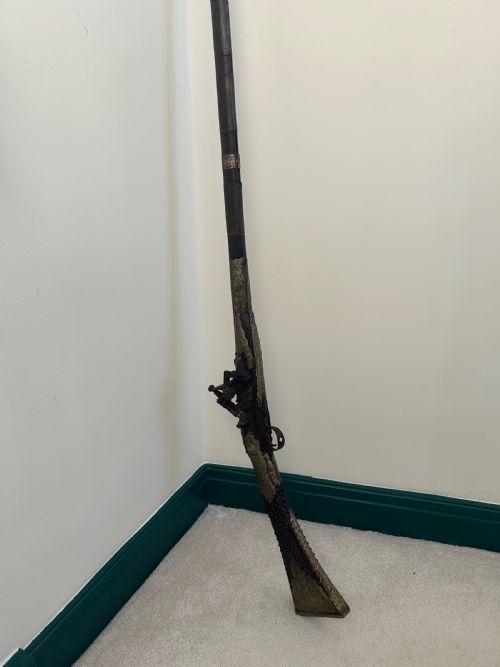


Antique Firearms Display
These antique firearms display pieces span centuries of military and civilian craftsmanship, offering tangible history for collectors of arms and armour.
Antique Firearms Display
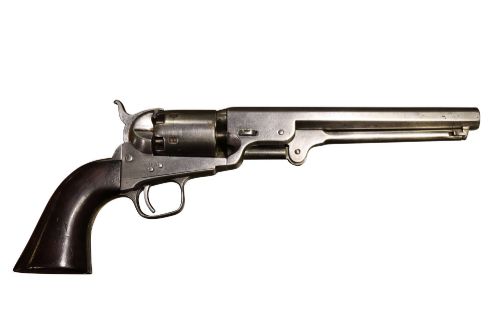
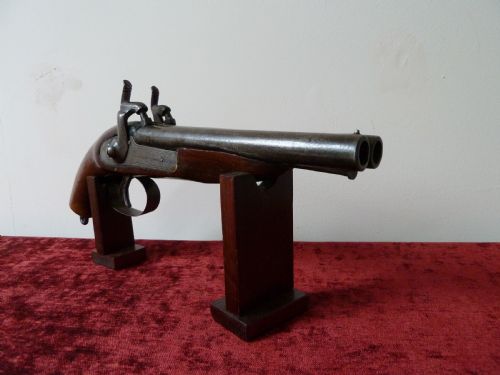
An antique firearms display encompasses historical weaponry ranging from wall pieces and militaria to fully functioning flintlock, percussion, and matchlock systems. Buyers examine items dating from the 18th century through the Victorian era, including British service arms, American revolvers, and Ottoman long pistols.
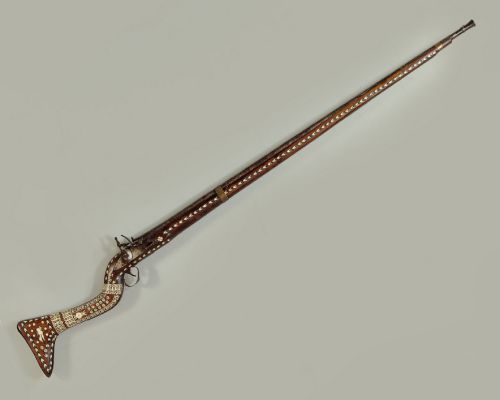
Georgian and Victorian military styles dominate the British material, while Ottoman and Afghan tribal pieces introduce distinct regional engineering. Each object serves as a physical record of tactical evolution and period craftsmanship.
Materials and construction methods
Makers constructed these pieces using heavy structural metals like steel, iron, and brass alongside durable hardwoods such as walnut. Barrels and locks required precise forge work, while brass components often featured cast and polished finishes.
Stocks and mounts incorporate organic decorative elements including bone inlays, silver wire work, and embossed brass cladding. Artisans fitted these materials by hand to accommodate complex mechanisms like flintlock, miquelet, and percussion systems.
Listings feature steel, brass, and iron hardware set into walnut and generic wood stocks across the 18th and 19th centuries.
Distinctions in historical arms
Quality diverges between utilitarian military issue arms and highly decorated private or presentation pieces. Master gunsmiths integrated refined silver inlays, intricate carving, and specialised lock mechanisms that elevate certain regional and domestic arms above standard service models.
The preservation of original matching numbers, maker signatures, and decorative metalwork alters the historical standing of a piece. Examples retaining crisp stock details and functional lock geometry demonstrate superior survival through the centuries.
Manton·Wilson·East India Company·Colt
The Antique Firearms Display Glossary
- Flintlock
- An ignition mechanism that uses a flint struck against a steel frizzen to create sparks for black powder ignition. This system dominated military and civilian arms throughout the 18th century.
- Percussion cap
- A later ignition system employing a small priming compound detonated by a hammer strike. This technology largely superseded flintlock mechanisms during the 19th century.
- Blunderbuss
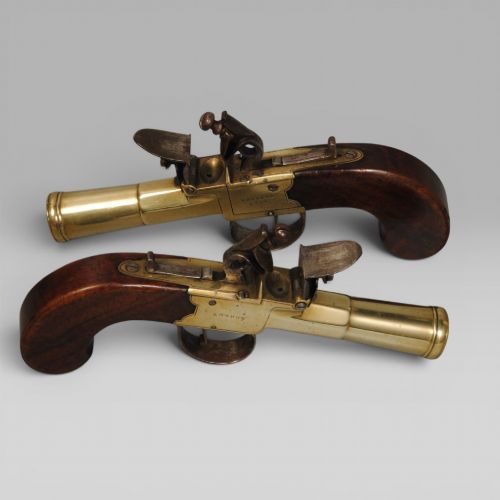
- A muzzle-loading firearm with a flared barrel designed to scatter shot at close range. These were widely utilised by coach guards and naval personnel.
- Jezail
- A traditional long gun native to the Middle East and Central Asia. They typically feature distinctive curved stocks and elaborate bone or metal ornamentation.
- Frizzen
- The vertical steel plate struck by the flint in a flintlock mechanism. Its movement uncovers the priming pan to ignite the main charge.
Antique Firearms Display: Frequently Asked Questions
How do I mount an antique firearm safely?
Displaying these pieces securely requires wall brackets that support the weight at balanced points along the stock and barrel without putting stress on the lock mechanism.
Ensure the mounting hardware anchors firmly into wall studs to protect heavy items like muskets and blunderbusses from accidental displacement.
What is the difference between flintlock and percussion?
Flintlock arms rely on a piece of flint striking steel to create a spark that ignites the powder charge in an open pan.
Percussion firearms utilise an enclosed cap struck directly by a hammer, offering greater reliability in wet weather during the 19th century.
How can I tell a Georgian piece from a Victorian one?
Georgian arms generally date from the 18th century up to 1830, exhibiting characteristic flintlock mechanisms and brass barrel furniture on service pistols.
Victorian pieces transition into the mid-19th century, frequently showcasing percussion systems, rifled barrels, and military volunteer markings.
Were these regional pistols used in combat?
Many Ottoman, Afghan, and Balkan sidearms served active roles in regional conflicts and tribal warfare across the 18th and 19th centuries.
Their robust construction and ornate silver or brass detailing reflect both practical combat utility and the personal status of the owner.