


Antique File Cabinet
An antique file cabinet brings solid timber and functional design into a room, offering organised storage built to last.
Antique File Cabinet
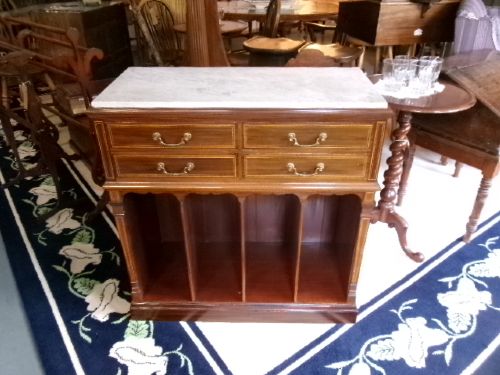
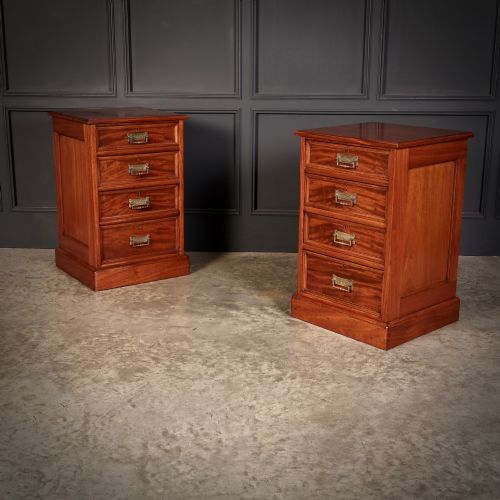
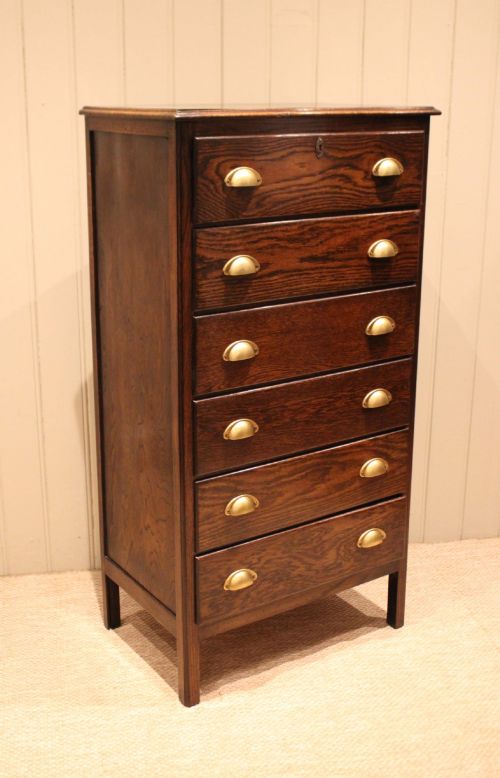
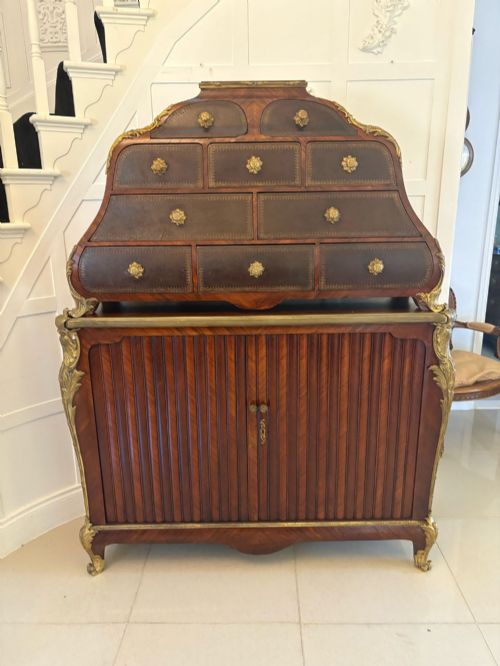
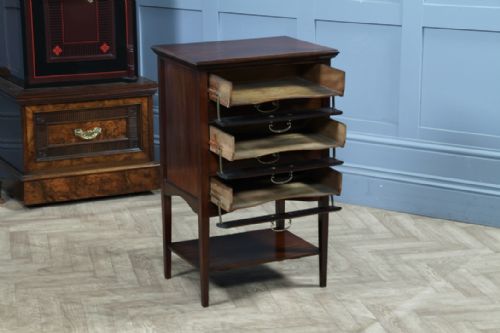
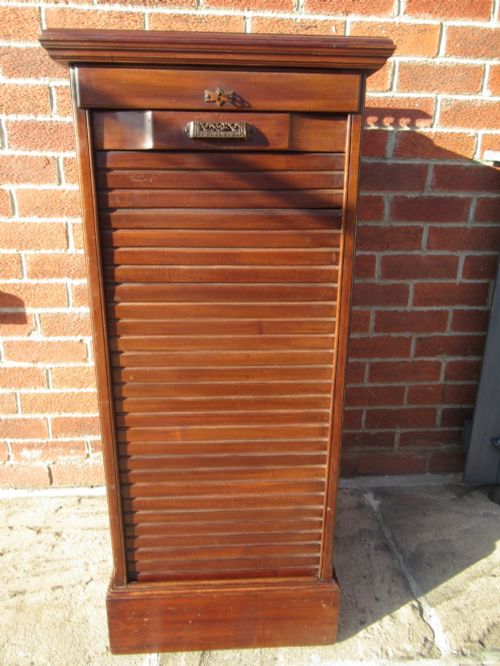
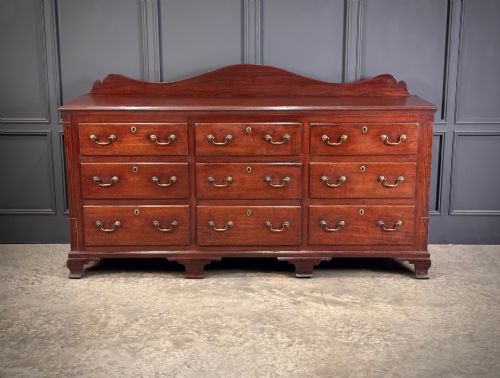
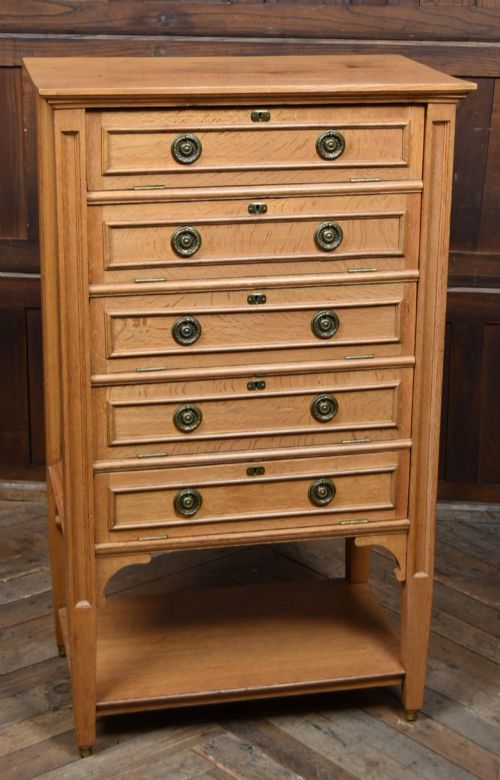
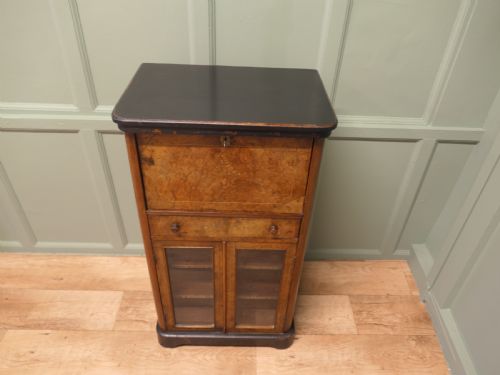
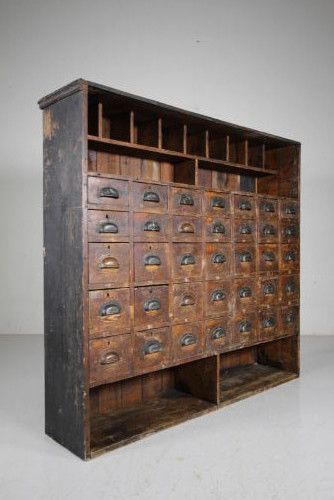
An antique file cabinet serves as practical storage for papers and documents, taking the form of upright multi-drawer units, tambour front cupboards, and banks of drawers. These pieces date from the nineteenth century through the early twentieth century, spanning Victorian, Edwardian, and industrial styles.
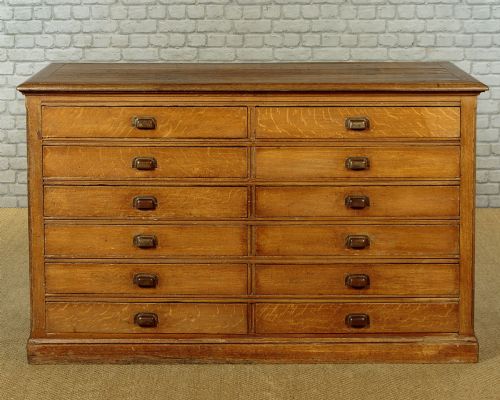
Buyers most frequently encounter oak and mahogany examples from the Edwardian period and nineteen-ten decades, often fitted with original brass hardware and label holders. Formats vary from single-column filing chests to broader plan chests and music cabinets adapted for stationery organisation.
Materials and construction
Cabinet makers utilised dense hardwoods like mahogany, rosewood, walnut, and oak alongside utilitarian pine and metal, building carcases designed to withstand heavy daily use in offices and studies. Solid timber panels met with dovetailed drawer construction to ensure structural rigidity over decades.
Specialised mechanisms such as flexible tambour doors running in wooden grooves and drop-front drawer actions allowed quick access to contents while maintaining a tidy exterior appearance.
Antique File Cabinet Retail Price Guide 2026
Typical asking prices for file cabinet among the pieces listed under this phrase on Sellingantiques today, from the lower quarter to the upper quarter. They describe what is for sale here now, not the wider market.
Certain nineteenth-century campaign pieces crossed oceans in military baggage before settling down to hold modern paperwork.
Differences in quality
The distinction between standard office furniture and superior examples lies in the selection of figured timbers, such as burr walnut or flame mahogany, and the refinement of internal joinery. Finely cut dovetails and substantial brass pulls indicate higher workshop standards.
The smooth operation of mechanical elements, including tambour slats that glide without binding and tightly fitted drawers, separates workshop output intended for executive settings from basic utility pieces.
The Antique File Cabinet Glossary
- Tambour door
- A flexible shutter made from narrow strips of wood glued to canvas backing, allowing it to slide around a curved track to conceal cabinet contents.
- Wellington chest
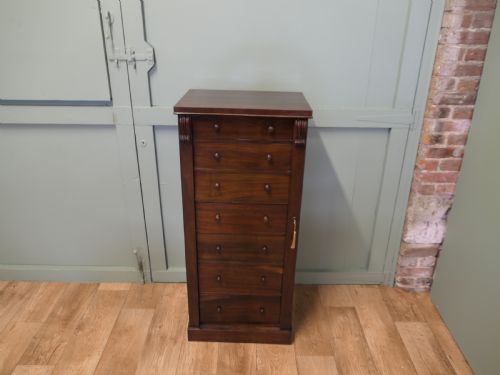
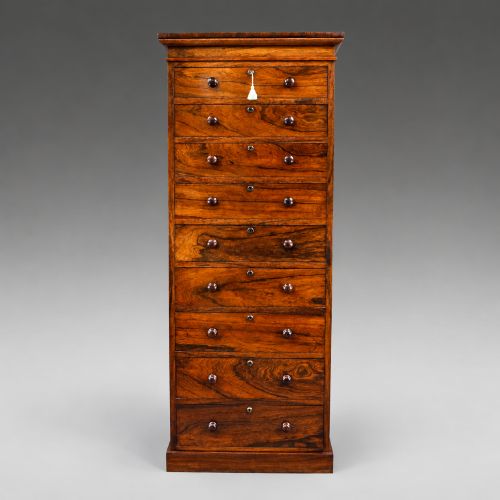
- A tall, narrow chest of drawers secured by a locking hinged side pilaster that fastens over the drawer edges.
- Plan chest
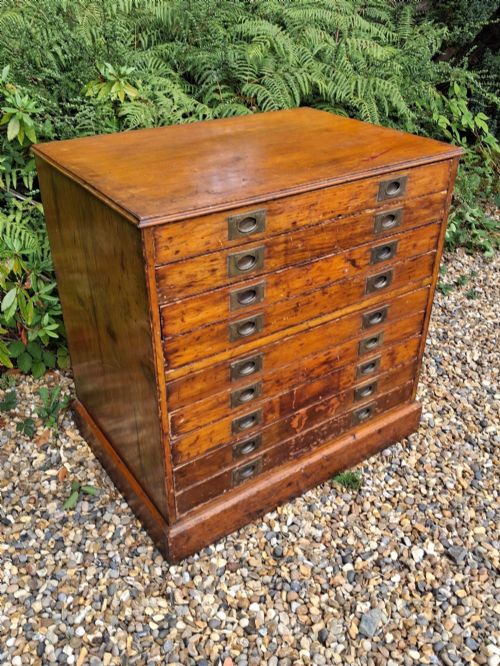
- A wide, shallow multi-drawer cabinet originally constructed for storing architectural drawings, maps, and large sheets of paper.
- Shell pull
- A pressed metal handle shaped like an inverted scallop shell, commonly incorporated alongside label holders on early filing drawers.
- Drop-front drawer
- A drawer featuring a hinged front flap that drops down to reveal internal papers without requiring the entire drawer to be pulled outward.
Antique File Cabinet: Frequently Asked Questions
What is a tambour front cabinet?
A tambour front cabinet uses a slatted wooden door that slides along a recessed track to open and close.
This mechanism allows the door to disappear into the sides of the cabinet body, saving space in tight office or study environments.
How do I identify an Edwardian filing cabinet?
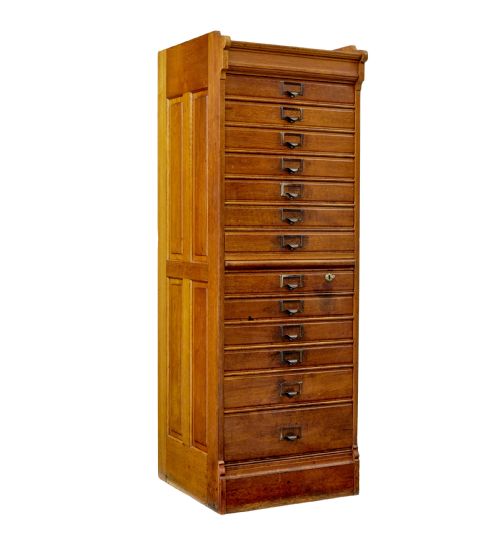
Edwardian filing cabinets typically date from nineteen hundred to nineteen ten, constructed primarily in solid oak or mahogany.
They often feature panelled sides, brass label holders, and straightforward proportions suited for professional workspaces.
Can I use a music cabinet for files?
Music cabinets with shallow shelves or drop-front drawers adapt well to holding paper files, correspondence, and stationery.
Their compact footprints make them practical alternatives to standard bulkier office furniture in domestic settings.
What woods were used in these cabinets?
Cabinet makers relied heavily on oak and mahogany for formal and office environments, supplemented by walnut, rosewood, and teak.
Utility pieces and larger plan chests were frequently constructed from pine or secondary softwoods.