
Antique Figure Drawing
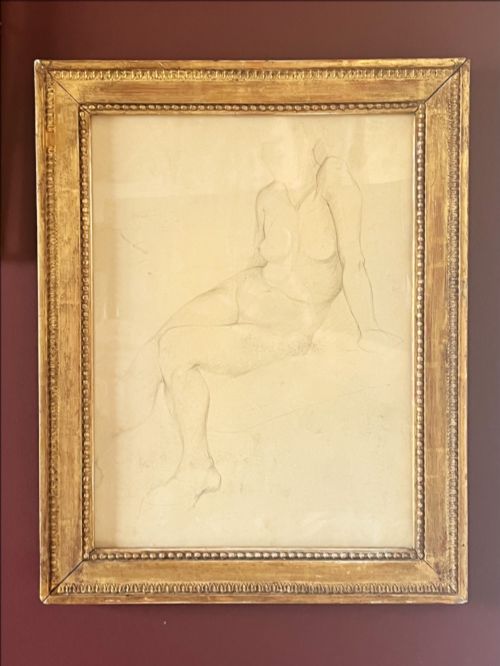
An antique figure drawing captures the human form through direct hand and medium, carrying the intimate immediacy of the artist's studio.
Antique Figure Drawing
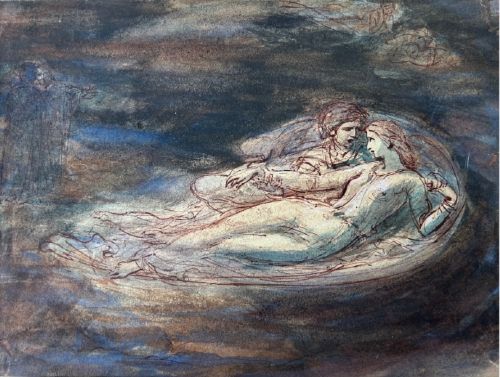
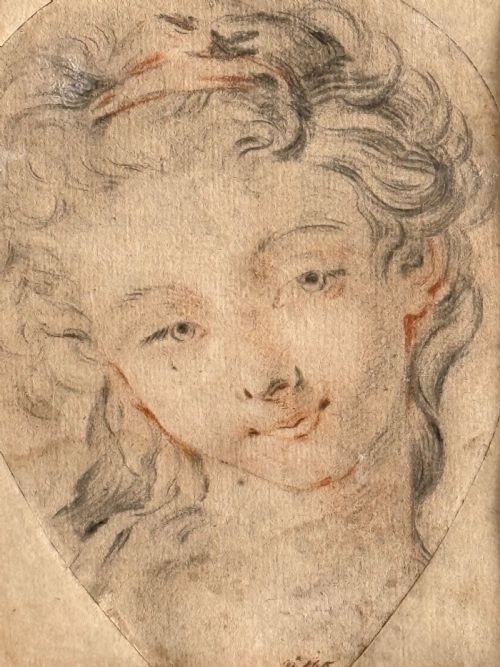
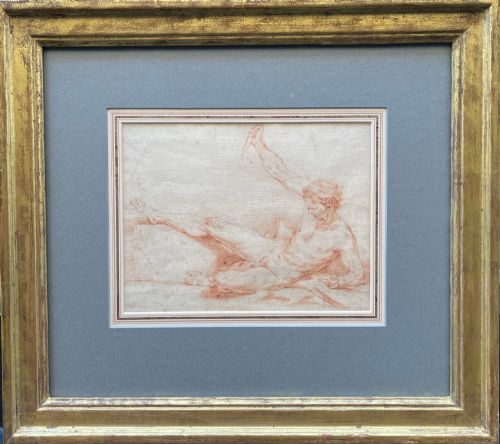
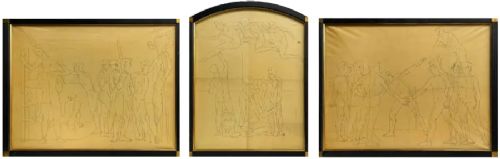
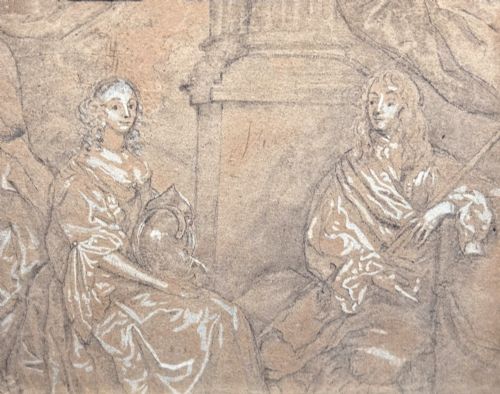
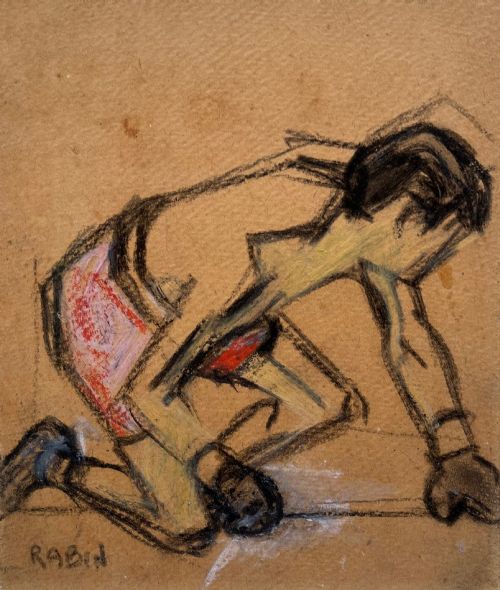
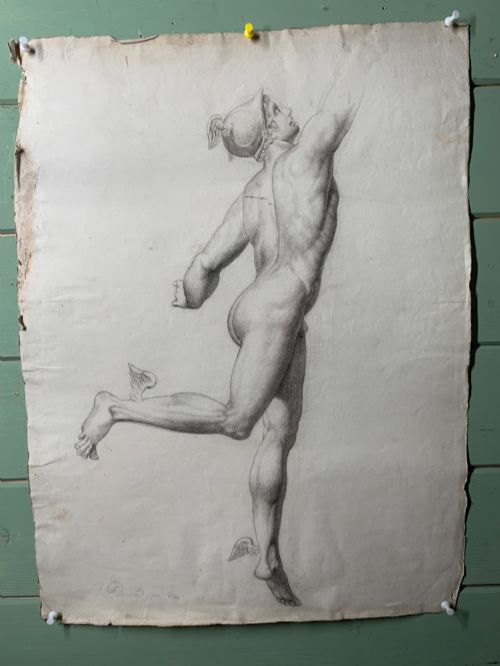
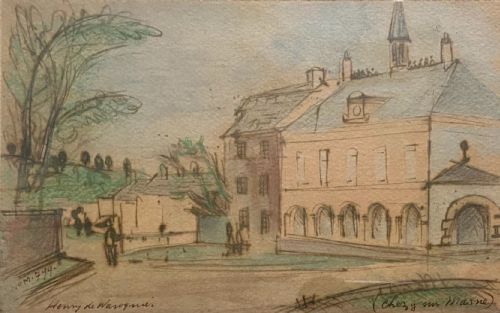
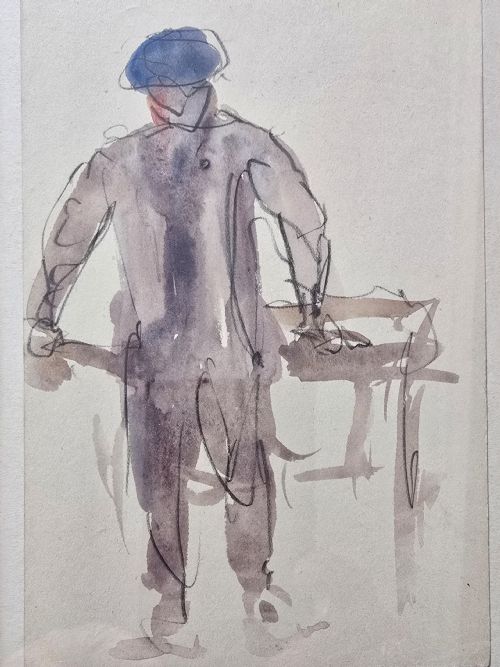
The pieces grouped under the search for an antique figure drawing span academic life studies, classical mythologies, and preparatory sketches rendered on paper or canvas. These works range from seventeenth-century master portraits and eighteenth-century Italian school studies to nineteenth-century life drawings and early twentieth-century avant-garde compositions.
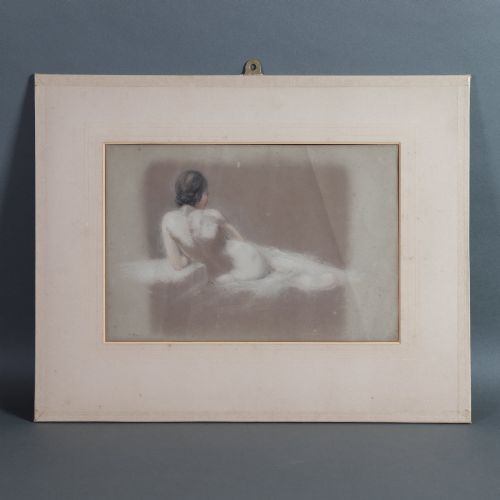
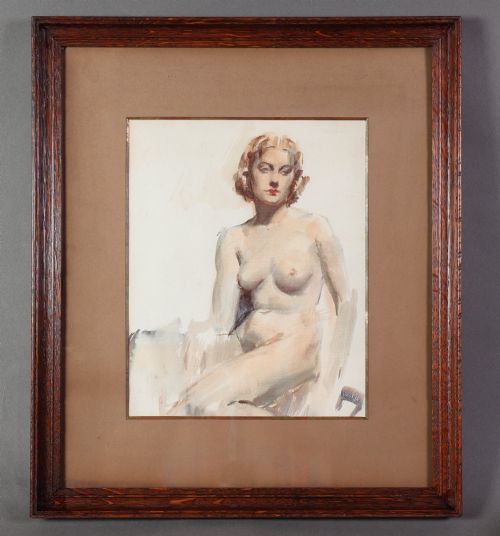
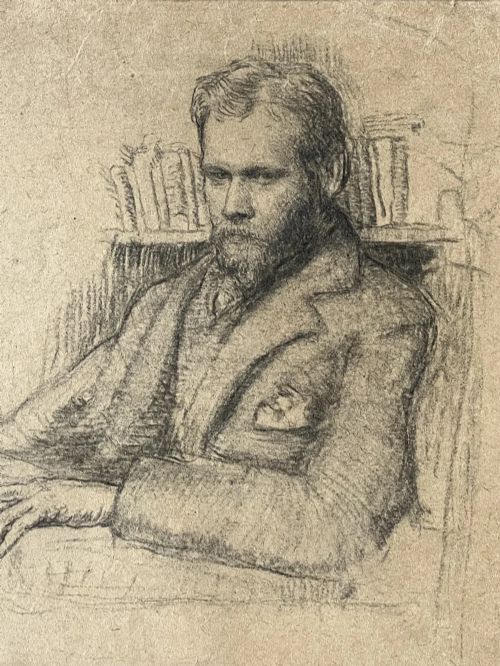
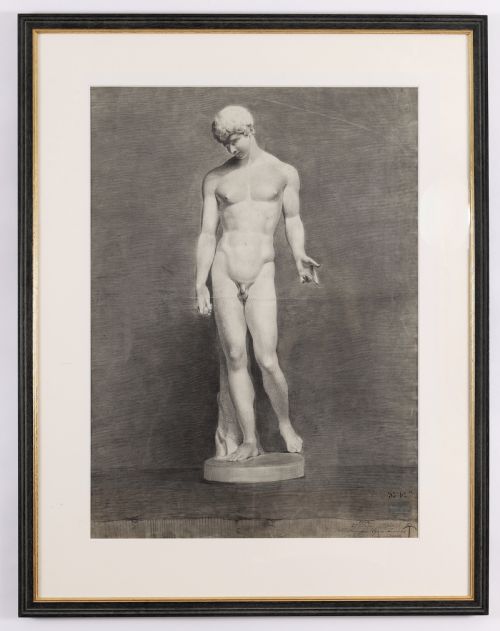
Collectors encounter framed original female nudes, male academic studies carrying staves, ink and wash illustrations, and graphite portraits. The selection covers diverse schools including French, British, and German traditions, reflecting both formal academy submissions and intimate studio observations.
What Varies in Quality
The distinction between tiers rests upon the sureness of the hand, the anatomical understanding demonstrated in the line, and the historical context of the sheet. Preparatory studies by documented academy artists or circle members display a rhythmic economy of stroke that separates master execution from routine student output.
Preservation of the paper support, the clarity of the medium without excessive fading, and the integrity of period framing contribute significantly to the standing of an individual drawing. Provenance and attribution to specific European schools further distinguish archival records from anonymous workshop exercises.
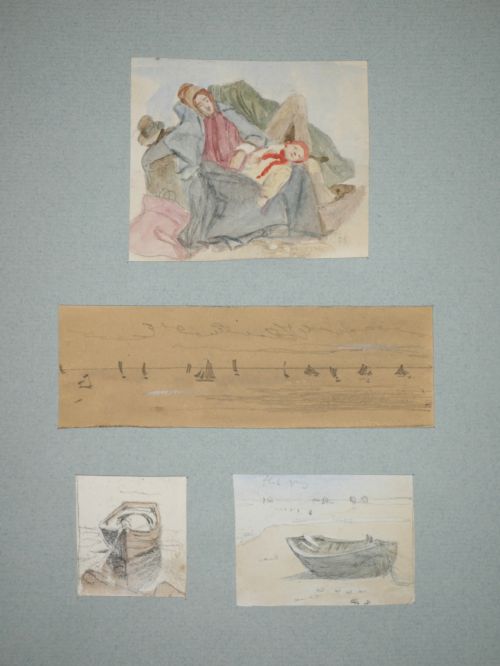
Several sheets display spirited sketches on both sides, proving that thrifty past artists repurposed their paper rather than waste a clean surface.
James Smetham·William Etty·Francois Boucher·Augustus John·Hyacinthe Colin de Vermont·Peter Lely·Marie Leczinska·François-André Vincent·Michael Healy·Henry Arthur Roberts·Alfred Dehodencq·Pierre-Paul Prud'hon·Demetrios Galanis·John Flaxman·William Edward Frost·Robert Richard Scanlan·Winifred Eugene Ballard·Jacques Callot·William Evans of Bristol·David Wilkie
The Antique Figure Drawing Glossary
- Academic Realism
- A style of painting and drawing produced under the influence of European academies of art, prioritising strict anatomical accuracy and traditional mythologies. This approach dominates nineteenth-century life studies.
- Deux crayon
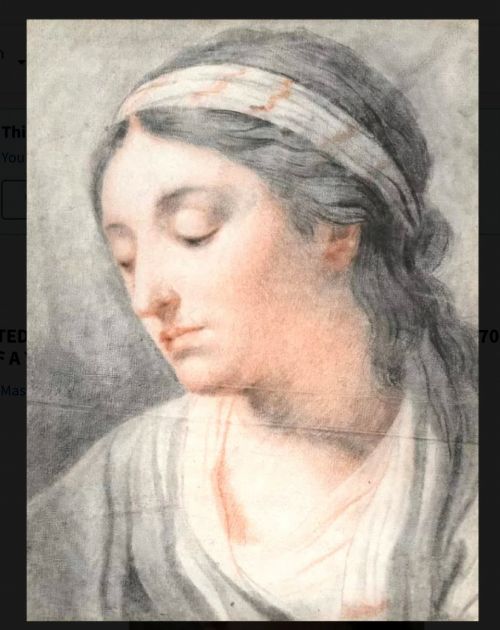
- A drawing technique utilising two colours of chalk or crayon, typically black and red, on tinted paper to create subtle tonal gradation and highlights. Artists applied this method for classical figure studies.
- Recto and verso
- The front and back of a single sheet of paper or vellum. Many historical drawings feature sketches on both sides from different stages of studio work.
- Sanguine
- A reddish-brown chalk used historically for sketching and portraiture, prized for its warm flesh tones. It derives its name from the Latin word for blood.
- Preparatory study
- A preliminary drawing executed by an artist to plan a larger finished painting, mural, or print. These sheets record the evolution of a composition.
Antique Figure Drawing: Frequently Asked Questions
What is an antique figure drawing?
An antique figure drawing is an original work on paper or canvas depicting the human body, created by artists working within academic, classical, or modernist traditions. These pieces range from rapid preparatory sketches to highly finished life studies.
They offer direct insight into historical training methods and studio practices across the seventeenth, eighteenth, nineteenth, and early twentieth centuries.
How were these drawings used originally?
Draftsmen used these sheets for rigorous anatomical training in art academies, as preparatory studies for larger oil paintings or prints, or as finished independent artworks. Artists recorded live models, classical sculptures, and narrative scenes to refine their technical skills.
Many drawings served practical studio purposes before eventually being collected and preserved by connoisseurs.
How should I frame and display works on paper?
Works on paper require conservation-grade framing with acid-free mounts and backing boards to prevent yellowing and degradation over time. Glazing with UV-filtering glass protects delicate charcoal, pastel, and watercolour pigments from light damage.
Display these pieces away from direct sunlight and damp environments to preserve the integrity of the antique paper and medium.
How do I distinguish between different centuries of drawing?
Distinguishing periods involves examining the paper stock, watermark evidence, mounting styles, and the stylistic conventions of the draftsmanship. Seventeenth and eighteenth-century works often feature laid paper and classical academic subjects, while nineteenth-century pieces frequently show structured graphite life studies.
Twentieth-century examples introduce avant-garde tendencies, mixed media experimentation, and modernist abstraction while retaining traditional figurative foundations.