
Antique Figure Artwork
These antique figure artwork pieces capture human presence through centuries of painting, drawing, and sculpture, bringing character and narrative directly into a room.
Antique Figure Artwork
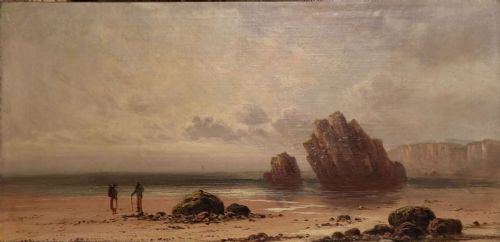
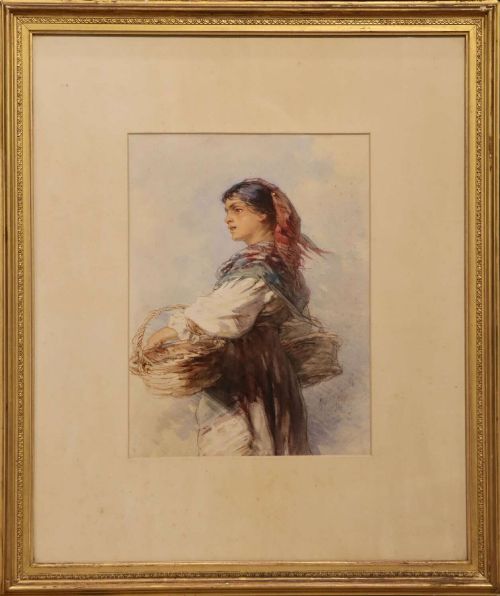
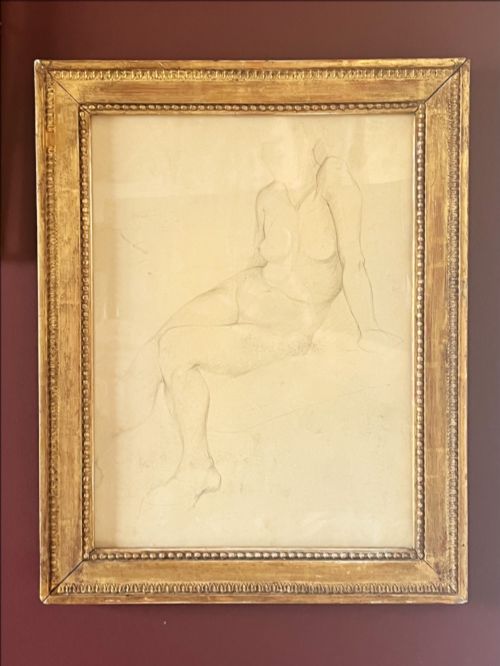
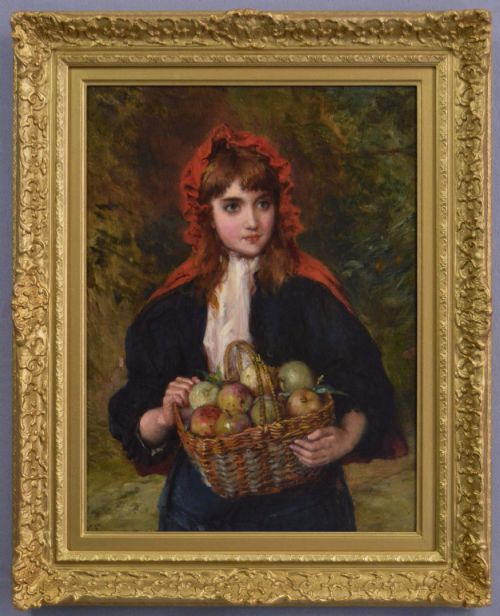
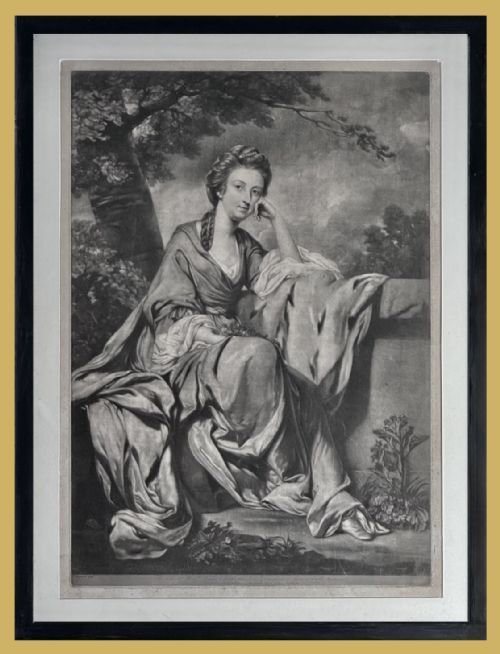
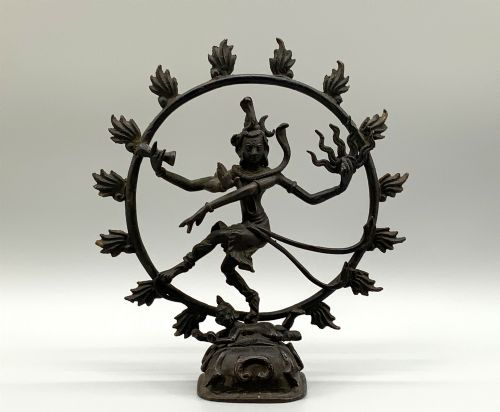
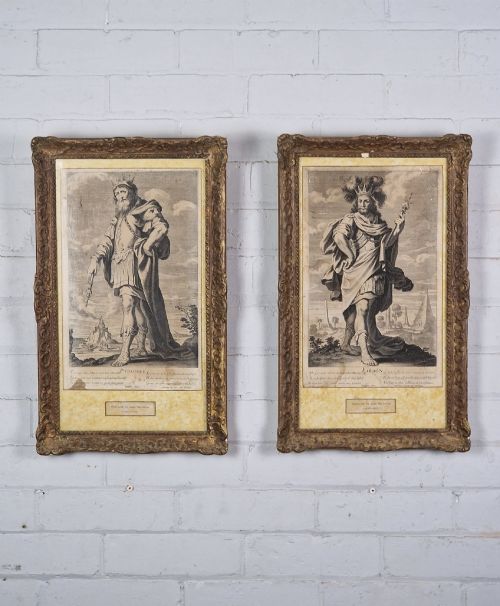
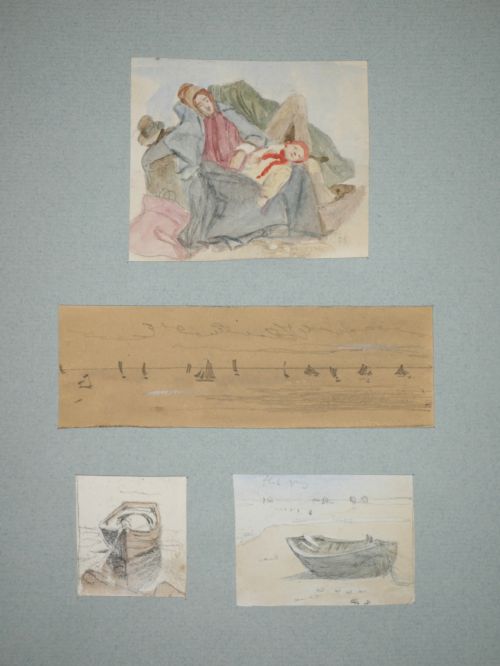
When searching for antique figure artwork, buyers encounter a diverse selection of painted, drawn, and sculpted representations of people spanning the seventeenth to the twentieth centuries. The assortment includes oil paintings on canvas and board, delicate pencil drawings, watercolours, engravings, etchings, and bronze sculptures.
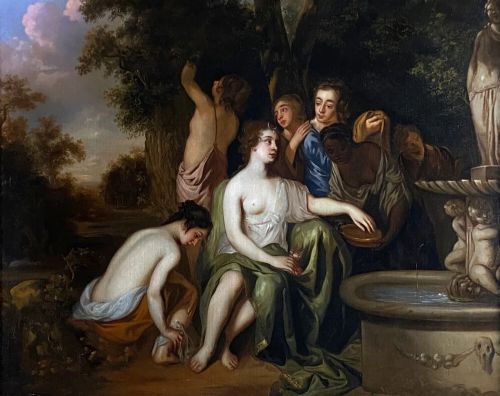
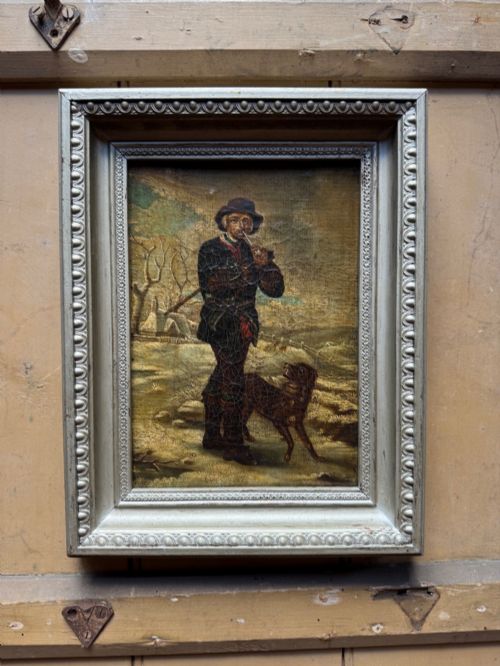
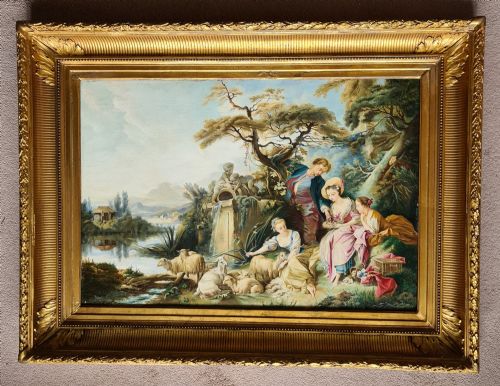
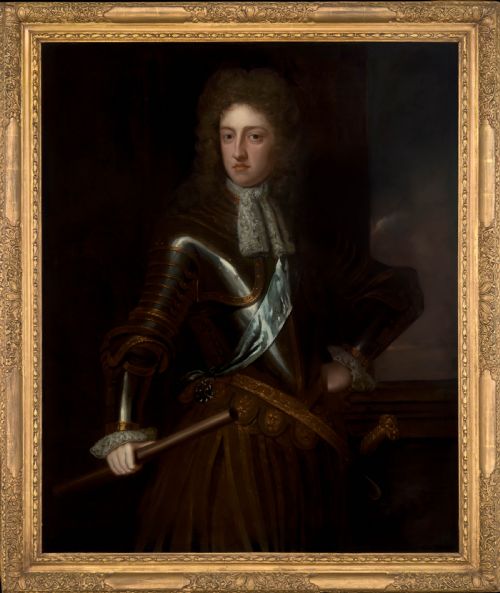
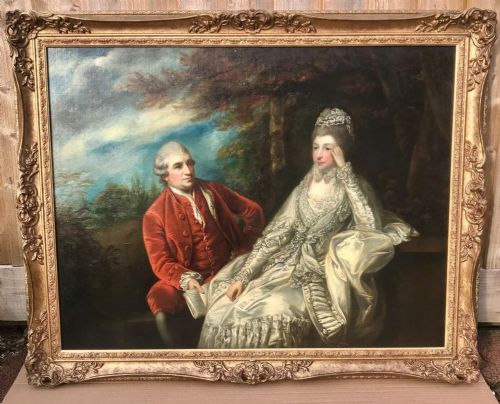
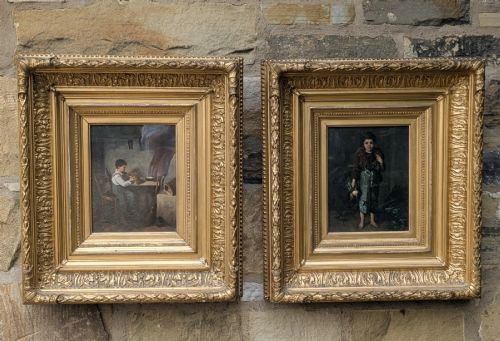
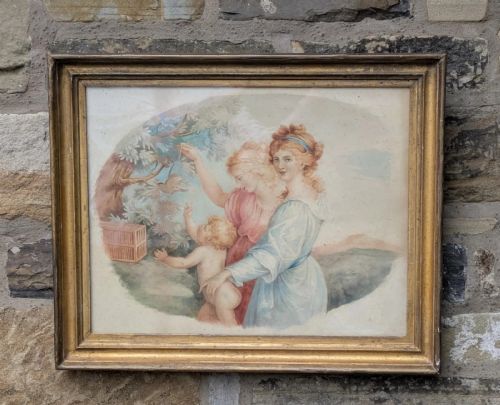
The most common examples on this page are nineteenth-century oil paintings and works on paper depicting portraits, mythological scenes, and figures within landscapes. These range from intimate character studies to grand classical compositions framed in period gilt wood.
Pieces draw on historical movements such as the Baroque, Neoclassical, and Victorian styles, reflecting the prevailing aesthetic values of their respective periods. Subjects vary from specific historical portraits to anonymous figures captured in daily life or classical narratives.
How they were made
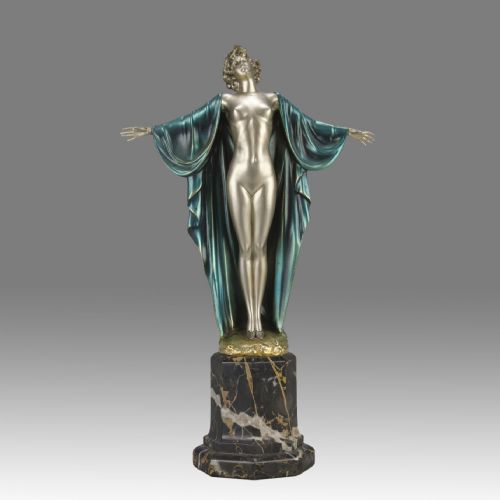
Techniques range from precise academic drawing and mezzotint engraving to expressive brushwork in oil and mixed media studies. Bronze figures involve metal casting methods, followed by hand-finishing and polychrome paint application where applicable.
Listings feature works from the seventeenth century through the twentieth century, utilising oil paint, bronze, paper, and gold leaf.
What varies in quality
The integrity of the original support, whether canvas, paper, or bronze, alongside the preservation of the surface layer, dictates the enduring value of the piece. Period frames that complement the work without modern alterations also contribute to the overall standard.
William Oliver·Edward Fisher·Sir Joshua Reynolds·Jean Mariette·Sir Peter Lely·James Smetham·Francois Boucher·Sir Godfrey Kneller·Ferdinand Preiss·William Etty·Thomas Barker of Bath·Thomas W Lascelles·James Heath·Biaggio Rebecca·Benjamin Barker of Bath·Robert John Hammond·Herbert Dicksee
The Antique Figure Artwork Glossary
- Mezzotint
- A printmaking process where the copper plate is roughened to achieve rich tonal gradations rather than relying solely on line work. This technique creates subtle transitions of light and shadow, popular for portrait reproductions in the eighteenth century.
- Engraving
- A method of cutting design lines directly into a metal plate with a sharp tool to hold ink for printing. The resulting impressions offer sharp, clear details suited to reproductive prints and book illustrations.
- Cold-painted bronze
- A sculpture technique where bronze objects are painted with cold enamel or oil paints rather than being fired in a kiln. This method allowed makers to achieve vibrant polychrome finishes on small decorative figures.
- Gilt wood
- Wood surfaces coated with a thin layer of gold leaf or gold paint to simulate solid gold. It appears frequently on the decorative frames enclosing historical paintings and mirrors.
- Oil on canvas
- Pigments bound with drying oils applied to a woven fabric support stretched over a wooden frame. This medium allowed artists to work with rich colours and blend tones smoothly over centuries.
Antique Figure Artwork: Frequently Asked Questions
How do I care for antique oil paintings?
Keep paintings away from direct sunlight and fluctuating humidity levels to protect the canvas and paint layers. Dust the surface gently with a soft, dry brush without applying pressure.
Avoid using water or chemical cleaners on the paint or the gilt frame. Professional conservators should handle any deep cleaning or canvas repairs.
What is the difference between an etching and an engraving?
Engravings rely on physical cutting tools to carve lines directly into a metal plate. Etchings utilise acid to bite lines into the metal through a protective wax ground.
Etchings typically show freer, more fluid lines, whereas engravings tend to exhibit precise, uniform strokes.
Are bronze sculptures hollow or solid?
Many figurative bronzes are cast using the lost-wax method, which often results in a hollow interior to save weight and metal. Larger or smaller decorative pieces may vary depending on the sculptor's technical approach.
Weight and sound can sometimes indicate construction method, but inspection of the base usually reveals casting details.
How can I date an antique painting?
Examine the canvas weave, the type of stretcher frame, and the ageing of the oil paint layers under magnification. Nail types and framing materials often provide helpful clues to the decade of creation.
Signatures, inscriptions, and artist stamps on the reverse further confirm the period, though stylistic analysis remains central.