



Antique Figural Pottery
Antique figural pottery brings human and animal forms to life in clay, offering character and narrative to any room.
Antique Figural Pottery
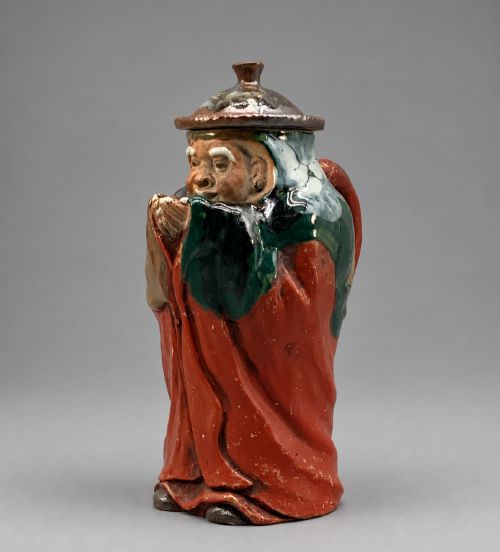
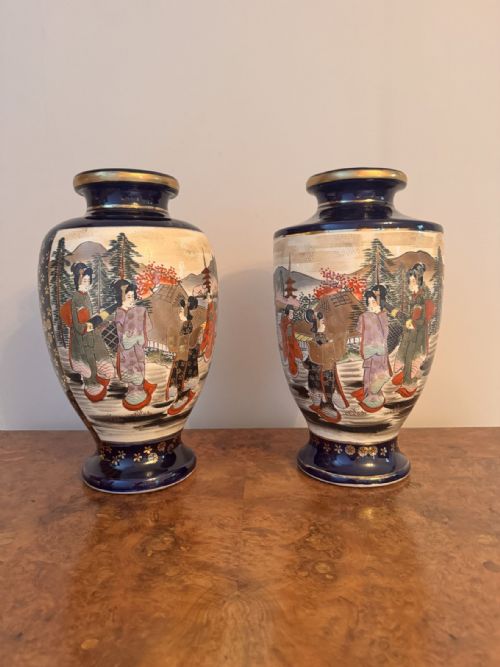
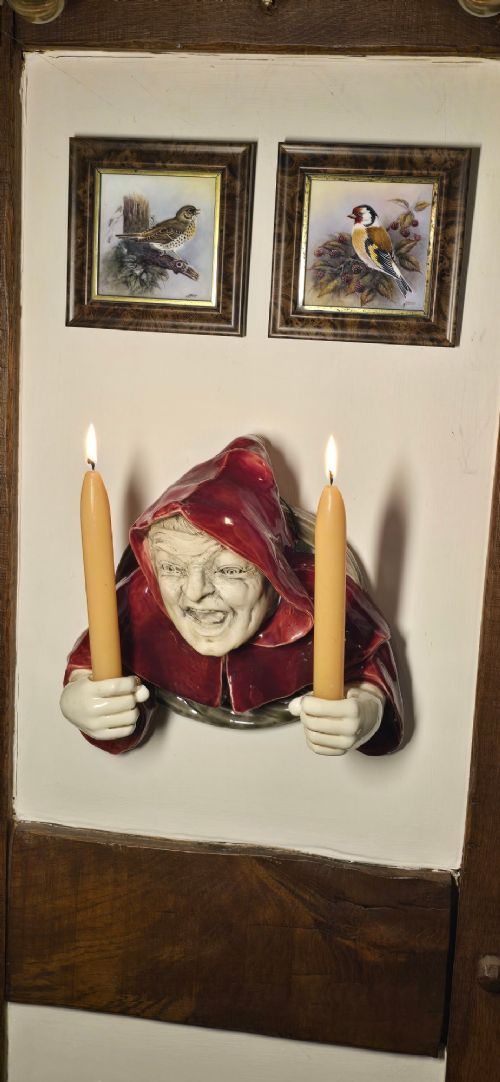
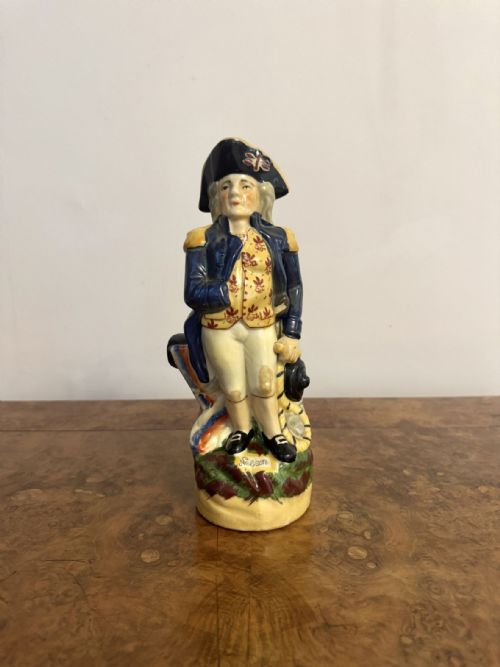
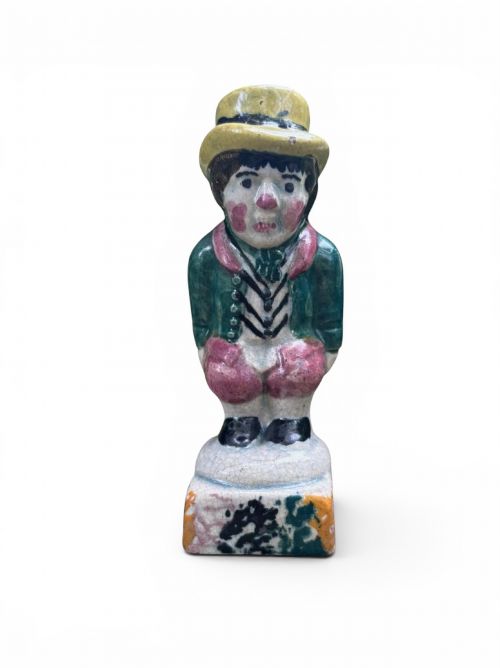
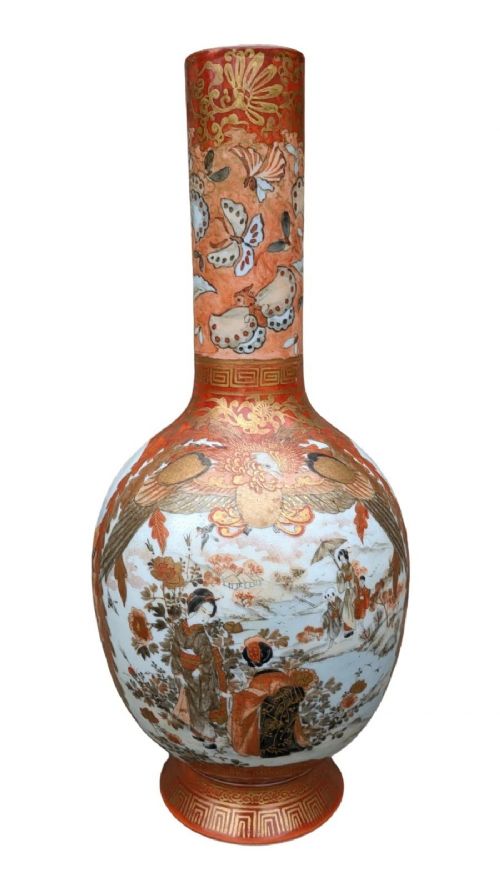
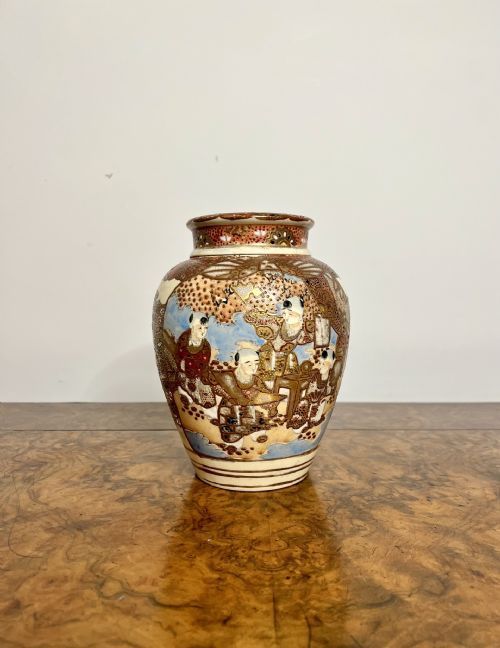
When you search for antique figural pottery, you encounter a diverse range of objects depicting people and characters across multiple periods and origins. The selection spans nineteenth-century Staffordshire figures, Japanese Satsuma vases with painted processions, and earthenware sculptures from European potteries.
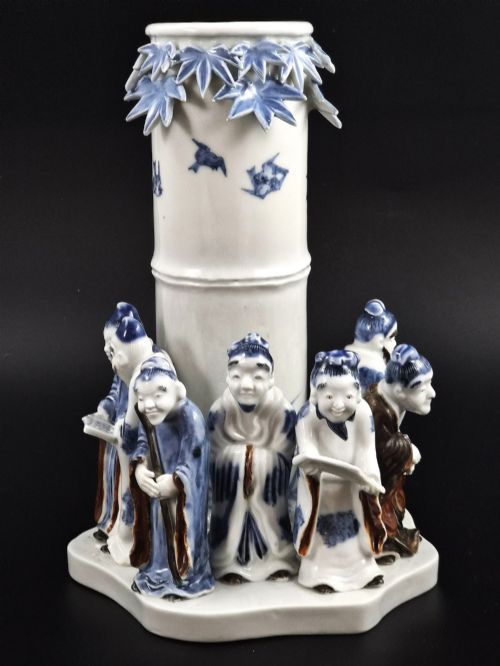
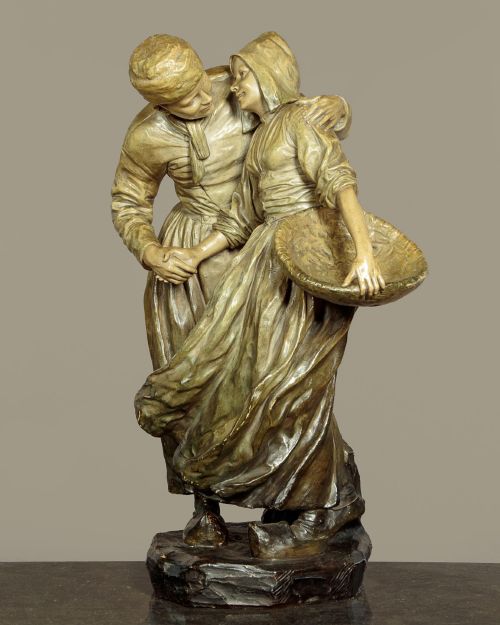
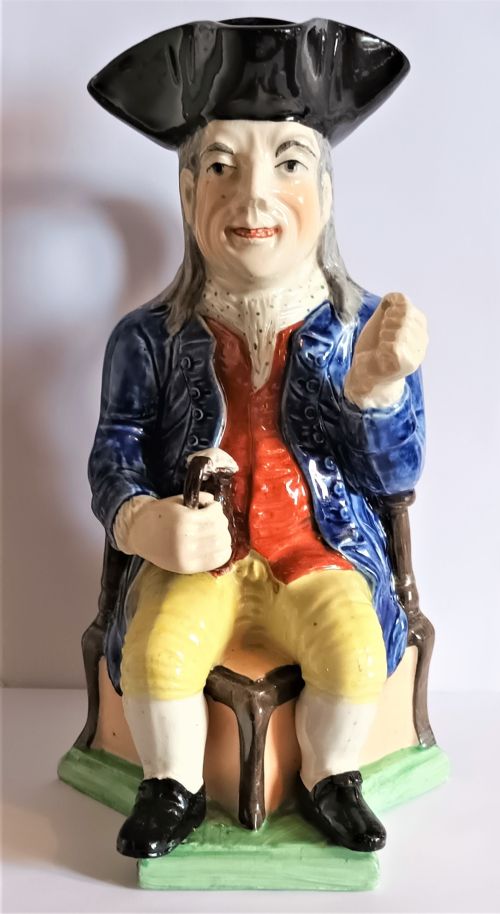
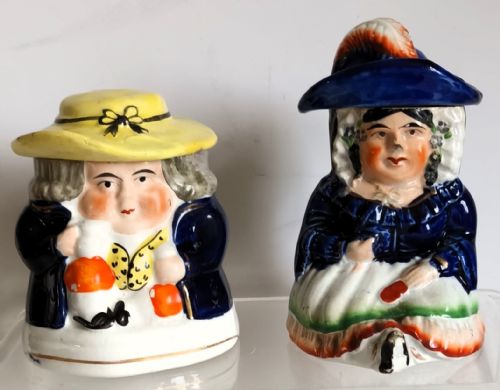
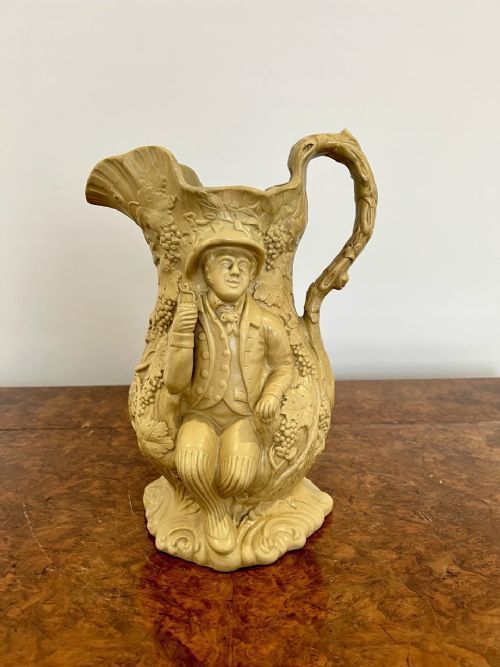
You are most likely to meet Victorian Staffordshire toby jugs, Japanese Satsuma and Kutani vases featuring human figures, and European earthenware figure groups on this page. These pieces merge utilitarian forms such as tobacco jars, ginger jars, and vases with sculptural depictions of monks, scholars, and local figures.
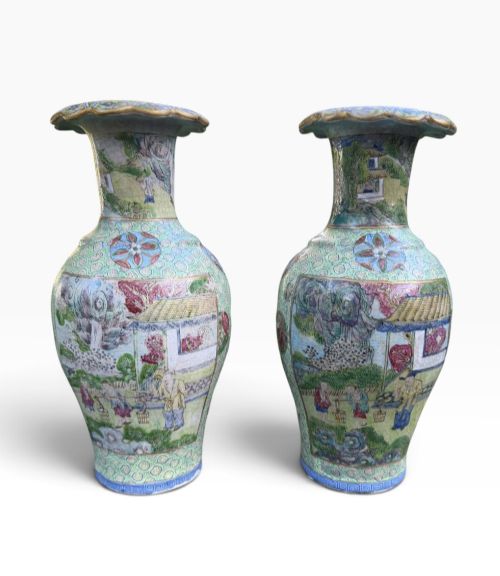
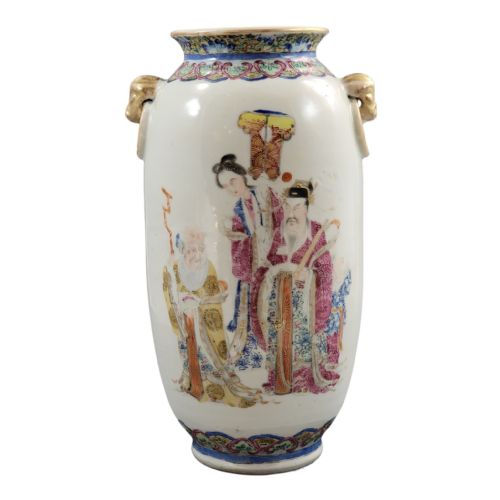
The materials and styles reflect global traditions, ranging from Chinese famille rose porcelain bowls depicting historical figures to French terracotta figure groups and English relief moulded jugs. Each piece demonstrates how makers incorporated human representation into daily vessels and standalone sculptures.
How they were made
Makers utilised earthenware, porcelain, stoneware, and terracotta as the primary body materials for these sculptural and utilitarian pieces. Potters shaped the clay through throwing on the wheel, pressing into moulds, or modelling figures by hand before applying initial glazes.
Antique Figural Pottery Retail Price Guide 2026
Typical asking prices for figural pottery among the pieces listed under this phrase on Sellingantiques today, from the lower quarter to the upper quarter. They describe what is for sale here now, not the wider market.
Listings feature items spanning the Georgian era through the Art Nouveau period, utilising earthenware, porcelain, stoneware, and terracotta.
What varies in quality
The standard of painting and modelling determines the standing of a piece within the range. Superior examples display precise hand-painted facial expressions, carefully delineated robes, and controlled application of enamel and gold leaf.
The crispness of the moulding or the delicacy of the hand-modelled details separates standard production items from masterworks. In Japanese Satsuma and Kutani wares, the density and intricacy of the figural procession dictate the level of craftsmanship achieved by the workshop.
Goldscheider·Kinkozan·Ernst Wahliss·Shizan
The Antique Figural Pottery Glossary
- Earthenware
- Porous pottery fired at lower temperatures, commonly glazed to ensure it holds liquids. It serves as the primary body for many Staffordshire and European figures.
- Satsuma
- Japanese pottery characterised by an ivory crackle-glaze earthenware body decorated with enamels and gilding. Pieces often depict dense figural processions and landscapes.
- Toby jug
- A pottery jug modelled in the shape of a seated person, usually a robust eighteenth or nineteenth-century figure holding a mug and jug of beer. They are frequently found in Staffordshire ceramics.
- Famille rose
- A palette of opaque rose-pink enamel introduced to Chinese ceramics during the Qing dynasty. It allowed artists to render delicate skin tones and floral robes on porcelain and earthenware.
- Moriage
- A decorative technique used on Japanese ceramics where clay is piped onto the surface to create raised, textured patterns. It frequently outlines garments and floral elements on Kutani and Satsuma vases.
Antique Figural Pottery: Frequently Asked Questions
What is antique figural pottery?
Antique figural pottery encompasses ceramic objects incorporating human or animal forms into their design, ranging from Staffordshire toby jugs to Japanese Satsuma vases.
These pieces combine functional vessels with sculptural artistry, depicting characters, historical figures, and deities across various global traditions.
How were figural jugs used?
Toby jugs and tobacco jars served practical functions in domestic and tavern settings during the nineteenth century. Potters designed them to hold ale or tobacco while doubling as decorative table ornaments.
Over time, these utilitarian objects transitioned into collectible display pieces valued for their characterful depiction of regional figures and notable personalities.
How do I identify Satsuma ware?
Satsuma ceramics feature a distinct cream-coloured earthenware body covered in a fine network of crackled glaze. Artists then decorated these surfaces with detailed hand-painted enamels and gold leaf.
Many pieces depict figural processions, scholars, and immortals, often accompanied by artist signatures or workshop marks on the base.
How do I care for antique pottery?
Display figural pottery away from direct sunlight and damp environments to protect delicate enamels, gold leaf, and earthenware bodies. Dust pieces gently with a soft, dry brush rather than using water or cleaning agents.
Handle heavier terracotta and ceramic groups with both hands supporting the base to prevent strain on protruding sculptural elements.