



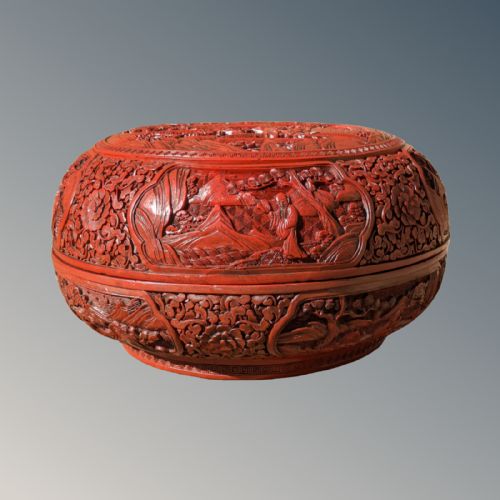


Antique Figural Bowl
An antique figural bowl brings sculptural human, animal or mythical forms directly into domestic display, offering both utility and distinct character.
Antique Figural Bowl
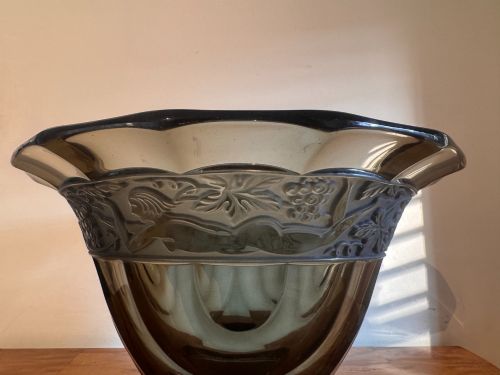
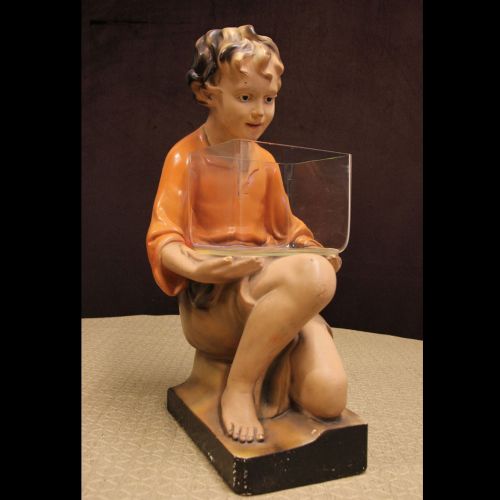
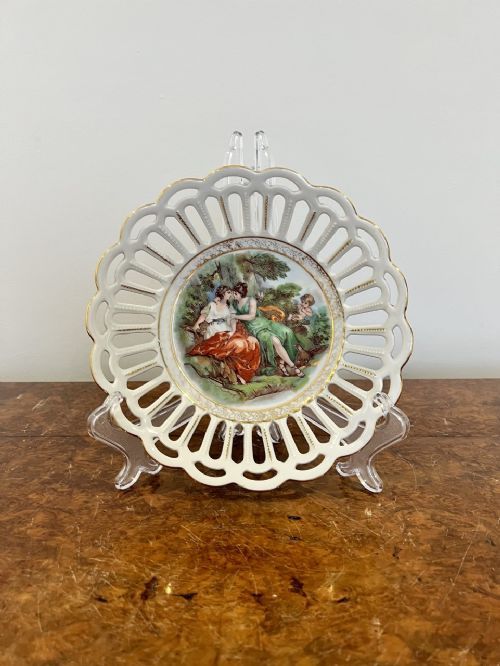
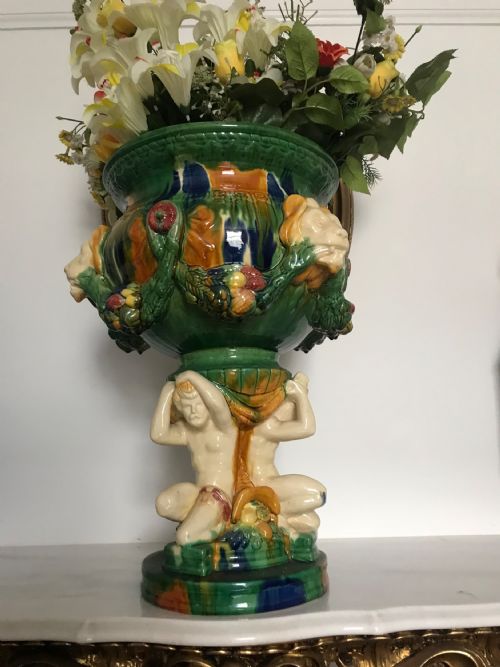
An antique figural bowl combines functional vessels with sculptural forms depicting human figures, animals, or mythical subjects. Buyers exploring this category encounter a range of forms, from large ceramic centrepieces and jardinieres to delicate powder bowls and comport dishes.
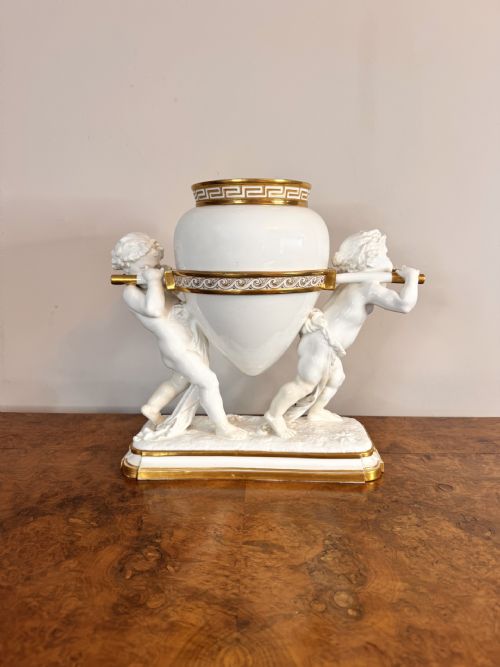
The material origins span continental porcelain, earthenware, solid silver, and pewter, reflecting diverse international workshops from the nineteenth century into the art deco era. Centrepieces and decorative bowls frequently incorporate figural stands, cherubs, or bather motifs supporting shells and dishes.
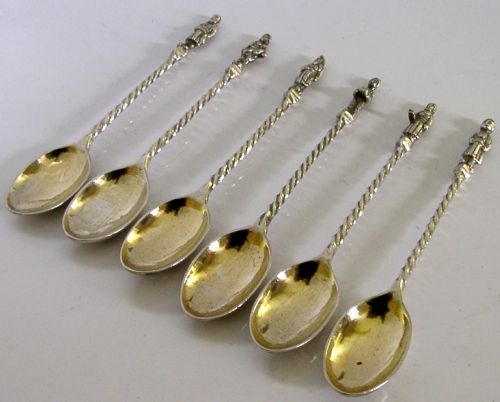
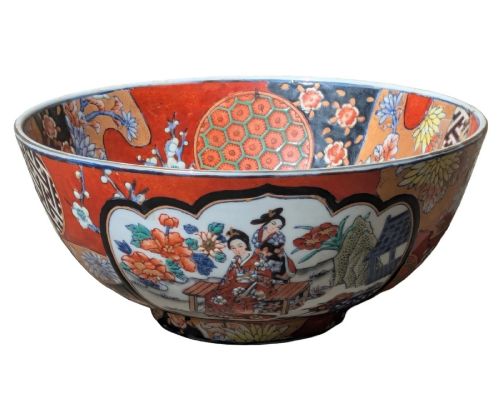
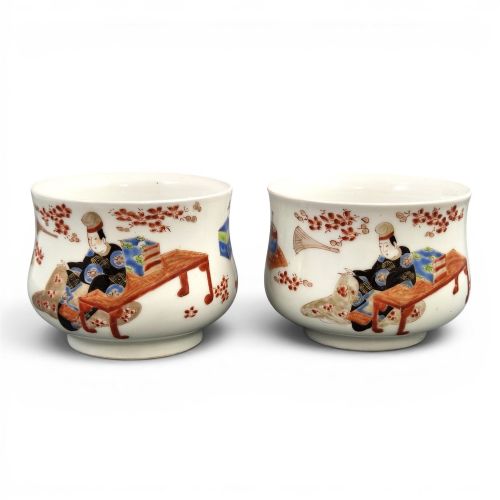
Examples stretch from European porcelain factories to Ottoman silver spoons and Asian export wares, showing how makers integrated sculptural elements into everyday vessels. Victorian and art nouveau interpretations dominate the aesthetic, frequently pairing naturalistic figures with glazed ceramics or silver plate.
Materials and production methods
Potters and sculptors utilised porcelain, earthenware, and bisque porcelain, often applying hand-painted glazes, cobalt, or gold leaf to highlight surface details. Ceramic pieces required careful firing in kilns, whilst bisque porcelain remained unglazed to accentuate the matte texture of human forms.
Metalworkers shaped solid silver, pewter, and bronze through casting and smithing, sometimes incorporating mother-of-pearl dishes or cut crystal containers. Pewter and silver items demonstrate detailed chasing and figural modelling, particularly visible in spoons, comports, and fruit stands.
Antique Figural Bowl Retail Price Guide 2026
Typical asking prices for figural bowl among the pieces listed under this phrase on Sellingantiques today, from the lower quarter to the upper quarter. They describe what is for sale here now, not the wider market.
Listings feature items spanning the eighteenth, nineteenth, and early twentieth centuries, constructed from porcelain, silver, pewter, and bronze.
Distinctions in craftsmanship and design
Surface decoration dictates visual success, seen in the delicacy of hand-painted enamels, the depth of glaze application, and the preservation of original gold leaf accents. Maker marks and factory standards further anchor the standing of individual pieces within their respective periods.
Royal Dux·Royal Worcester·Limoges·WMF
The Antique Figural Bowl Glossary
- Bisque porcelain
- Un-glazed white ceramic fired once to create a matte, porous surface resembling marble. Sculptors favoured this medium for capturing fine anatomical detail on figural bases.
- Comport
- A raised dish or bowl mounted on a stem or foot, used historically for serving fruit or sweets. These often feature decorative figural supports at the base.
- Centrepiece
- A large, ornate decorative vessel placed in the middle of a dining table or sideboard. They frequently incorporate elaborate figural groups holding shells or basins.
- Jardiniere
- An ornamental pot or stand designed to hold live plants or flowers. In antique examples, these vessels often rest upon sculptural figural pedestals.
Antique Figural Bowl: Frequently Asked Questions
What is an antique figural bowl?
An antique figural bowl is a decorative or functional vessel that incorporates sculpted human, animal, or mythical figures into its design.
These pieces function as centrepieces, powder boxes, and fruit stands, combining practical utility with sculptural artistry.
How were these bowls used historically?
Historically, these items served as ornamental dining table centrepieces for fruit or flowers, or as decorative accessories on sideboards and dressing tables.
Powder bowls held cosmetics on dressing tables, while larger jardinieres and comports anchored formal room displays.
How do I care for antique ceramic and metal bowls?
Care requires gentle dusting with a soft, dry cloth to protect fragile glazed surfaces, hand-painted details, and delicate gilding.
Submerging antique ceramics or exposing metal components to harsh cleaning agents should be avoided to preserve the original finishes.
How can I tell the period of a figural bowl?
Dating relies on examining the material composition, decorative style, and any factory marks or signatures stamped on the base.
Art nouveau pieces display organic, flowing lines, whereas art deco items favour geometric symmetry, helping separate nineteenth-century works from twentieth-century designs.