


Antique Faux Bamboo
Antique faux bamboo turns solid hardwoods and pines into slender, jointed stems that mimic exotic grasses for interiors spanning the Regency to the Edwardian eras.
Antique Faux Bamboo
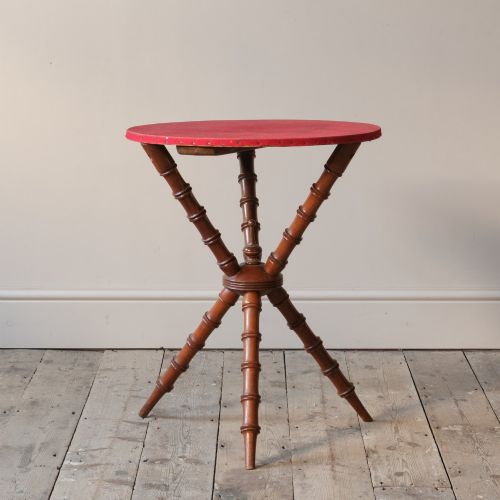
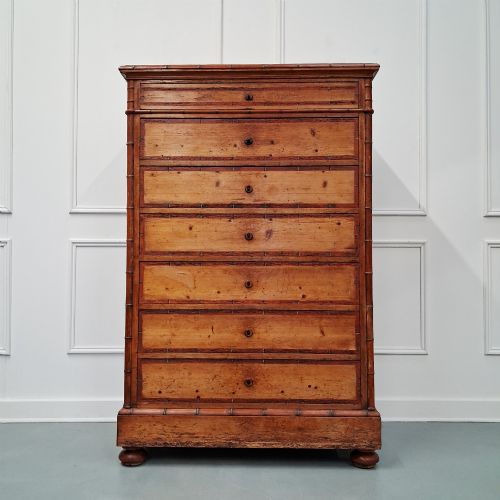
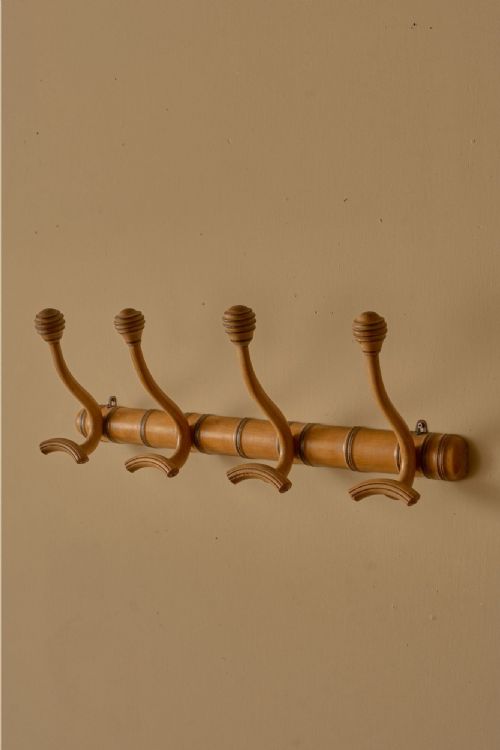
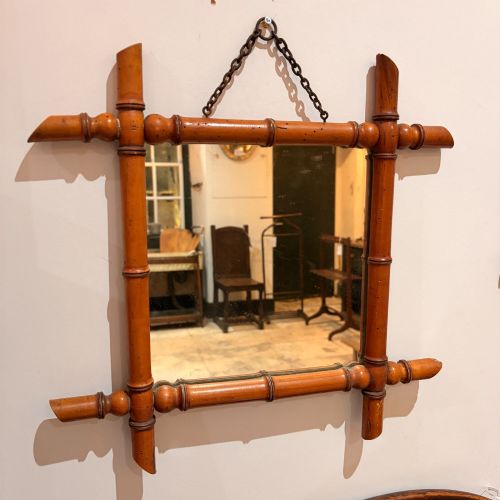
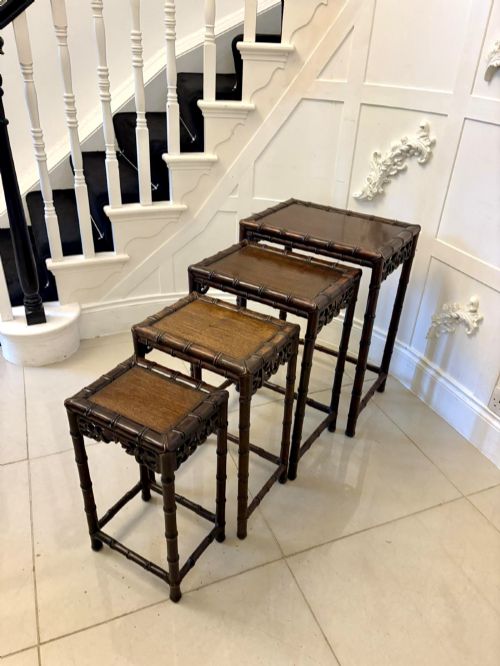
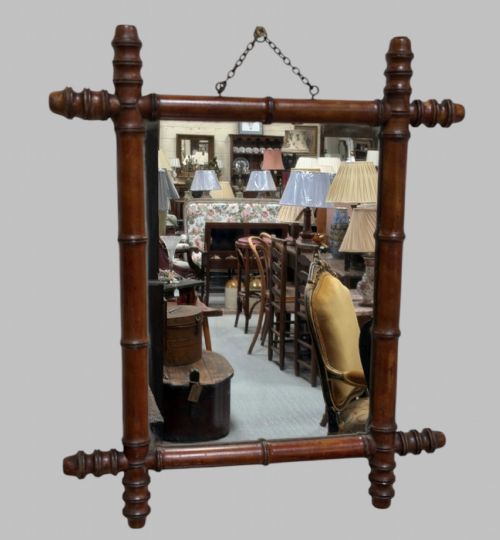
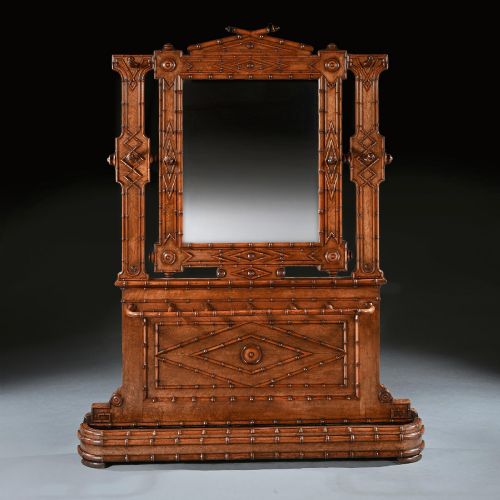
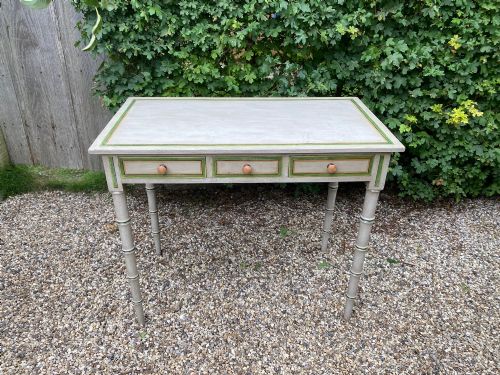
Buyers seeking antique faux bamboo encounter turned wooden furniture designed to imitate the segmented stalks of real bamboo. The form appears across side tables, chests of drawers, rocking chairs, and mirrors originating from the nineteenth and early twentieth centuries.
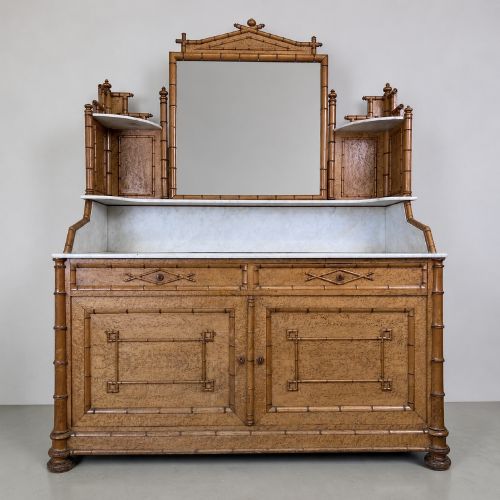
The aesthetic bridges several periods and regional tastes, including Victorian, Edwardian, and French Aesthetic Movement designs. These pieces range from simple painted pine bedroom furnishings to elaborate bird's-eye maple armoires and bedside cabinets.
Chinoiserie and Japonisme influences shape many examples, incorporating lacquered surfaces, painted floral motifs, and carved details. The selection leans heavily toward French and English workshops producing domestic furniture and wall mirrors.
What varies in quality
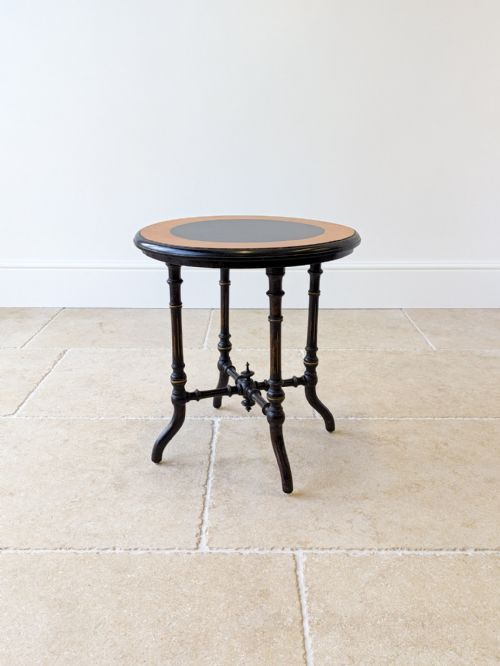
The fidelity and depth of the turning dictate the initial impression, where crisp, well-defined nodes separate superior examples from softer, rounded imitations. Surface treatments also divide the range, from simple flat paint to layered ebonisation, hand-applied gilt, and fine bird's-eye maple veneers.
Structural integrity relies on the precision of the joinery within the slender turned components, as these frames must support daily use without flexing. Original hardware, intact marble inserts, and preserved painted or lacquered decoration elevate the standing of any piece.
Antique Faux Bamboo Retail Price Guide 2026
Typical asking prices for faux bamboo among the pieces listed under this phrase on Sellingantiques today, from the lower quarter to the upper quarter. They describe what is for sale here now, not the wider market.
Materials span painted pine, beech, solid mahogany, and bird's-eye maple, often paired with marble tops and brass hardware.
Maison Bagues·Howard and Sons·John Taylor Edinburgh·Mallets
The Antique Faux Bamboo Glossary
- Aesthetic Movement
- A late nineteenth-century design style that emphasised visual beauty over narrative subject matter, drawing heavily on Japanese art and forms.
- Bird's-eye maple
- A figure in maple wood resembling tiny swirling eyes, often utilised as a decorative veneer on finer nineteenth-century cabinets.
- Japonisme
- The influence of Japanese art on European design, prominent in late nineteenth-century decorative arts and furniture.
- Turning
- The technique of shaping wood on a lathe by rotating the material against cutting tools to create cylindrical or profiled stems.
- Ebonisation
- A finishing process that darkens timber, usually fruitwood or beech, to imitate solid ebony.
Antique Faux Bamboo: Frequently Asked Questions
What periods are antique faux bamboo from?
These items date principally from the nineteenth and early twentieth centuries, spanning the Regency, Victorian, and Edwardian eras. Many French and English examples cluster around the late nineteenth-century height of the Aesthetic Movement.
Production continued into the twentieth century, with occasional pieces reflecting later interpretations of earlier styles.
How do I identify faux bamboo?
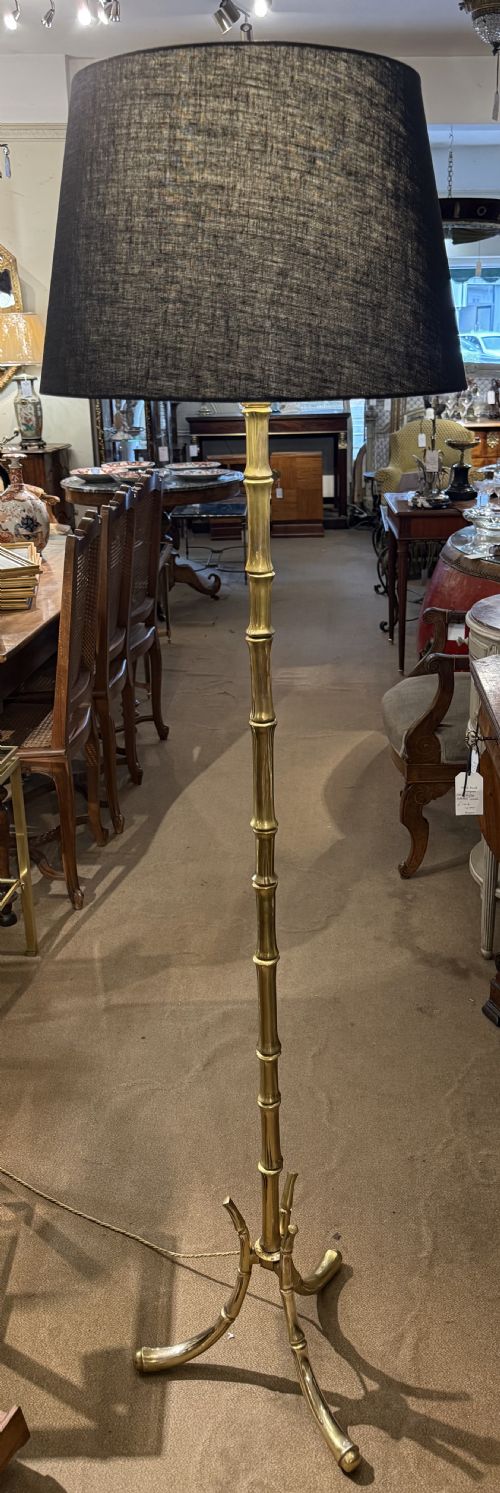
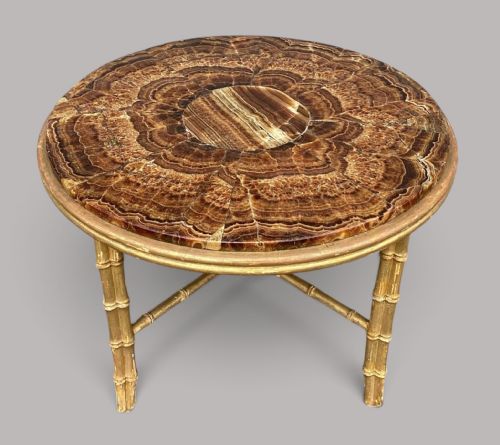
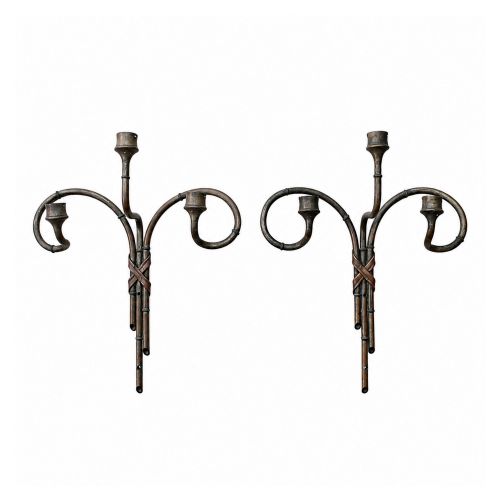
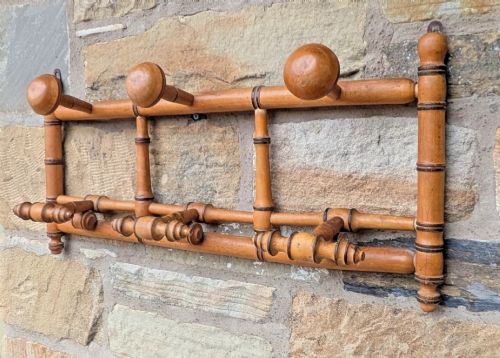
Look for turned wooden legs and frames carved or moulded with raised rings that imitate the natural nodes of real bamboo. The material underneath is typically pine, beech, or maple finished with paint, varnish, or ebonisation.
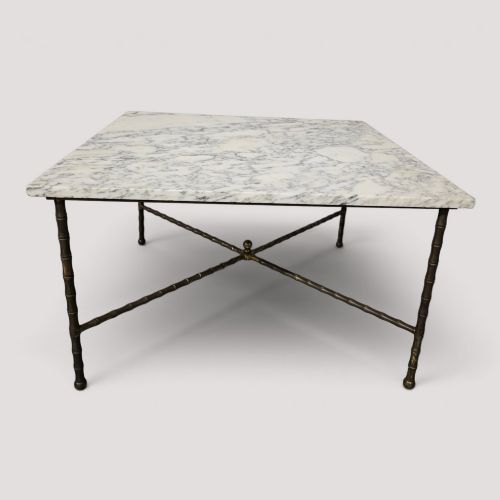
Makers often paired these turned elements with marble tops, mirrored glass, or brass hardware.
Where were these pieces used?
Bedrooms frequently housed these items, including wardrobes, washstands, beds, and chests of drawers finished in painted pine or bird's-eye maple. Hallways and parlours also accommodated side tables, mirrors, and umbrella stands.
The lightweight appearance made them popular for informal drawing rooms and sunrooms.