




Antique Faux Bamboo Seating
Antique faux bamboo seating brings whimsical charm and ingenious craftsmanship to any room, offering versatile seating options shaped from painted wood.
Antique Faux Bamboo Seating
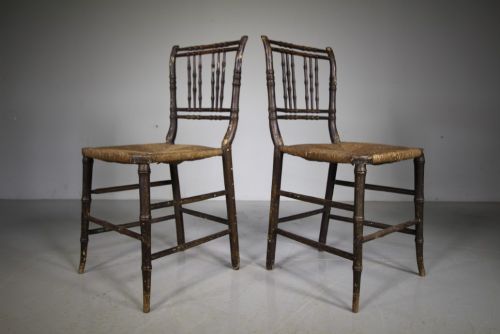
When you search for antique faux bamboo seating, you encounter an array of turned wooden furniture designed to mimic the segmented appearance of natural cane. The examples seen here span from the Regency era through the Victorian period and into the early twentieth century, showing remarkable longevity in popularity.
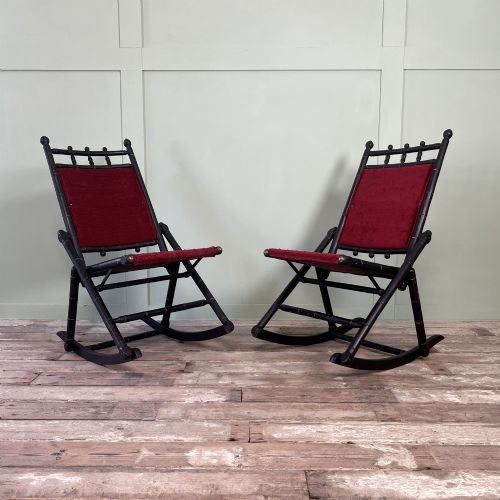
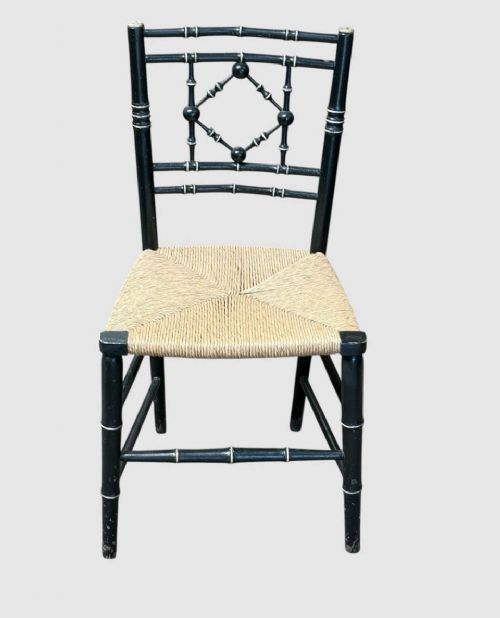
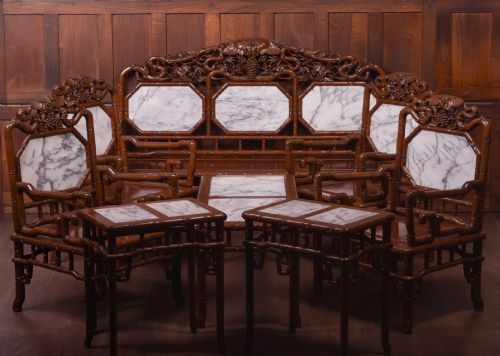
The most common forms found on this page are side chairs and armchairs, frequently appearing in pairs or small sets. You will also discover occasional folding rocking chairs, parlour suites, and children's highchairs amongst the listings.
Originating across different European and Asian traditions, these pieces encompass French Napoleon III, Louis Philippe, and Aesthetic Movement styles alongside Chinese export designs and British Regency painted furniture. Each style brings a distinct regional interpretation to the bamboo effect, varying from ebonised finishes to bright painted surfaces.
How they were made
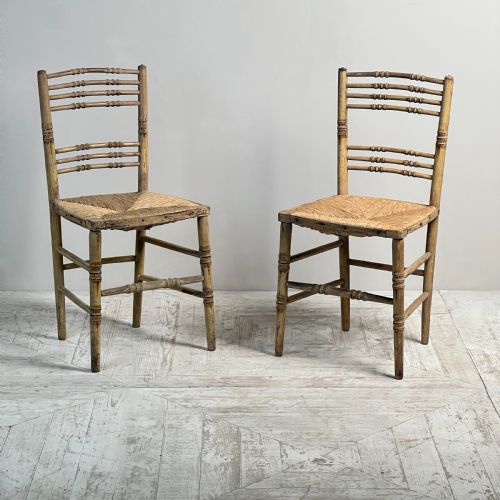
Craftsmen built these pieces primarily using hardwoods such as beech and pine, turning the timber on a lathe to carve the characteristic nodes and rings of real bamboo. This meticulous woodturning formed the structural framework for chairs, armchairs, and rocking frames.
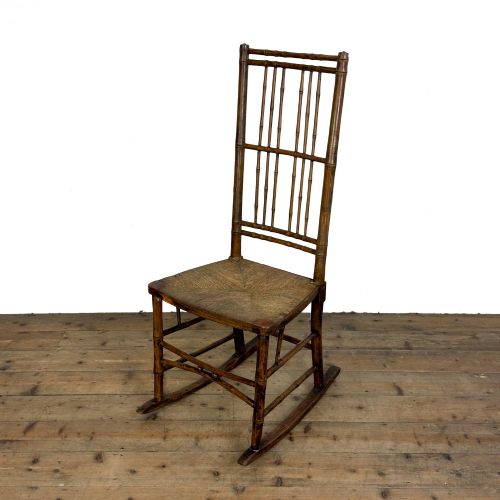
Makers finished the turned wooden surfaces with paint, ebonised coatings, or detailed decoration to complete the illusion of genuine bamboo. Seats were frequently woven from natural rush or cane, providing a contrasting textural element to the rigid wooden frames.
Some makers even turned children's highchairs to look like bamboo, ensuring toddlers could dine in exotic botanical style.
What varies in quality
The sophistication of the woodturning dictates much of the visual success in faux bamboo seating, with finer pieces exhibiting crisper, more convincing joint nodes. The depth and precision of the turned rings separate standard workshop output from exceptional examples.
Surface finish plays a critical role in the character of each piece, distinguishing original painted or ebonised surfaces from later decorative layers. The integrity of woven rush or cane seating surfaces further separates well-preserved examples from those requiring restoration.
The Antique Faux Bamboo Seating Glossary
- Faux bamboo
- Wood turned and painted to resemble natural bamboo. This decorative technique became particularly popular during the Regency and Victorian periods.
- Ebonised wood
- Timber stained or painted black to imitate ebony. This finish often highlights the turned joints of faux bamboo furniture.
- Rush
- Woven marsh grasses used for seat bases. It provides a durable and flexible seating surface that complements wooden frames.
- Aesthetic Movement
- A late nineteenth-century design style emphasising visual beauty over narrative subject matter. Pieces from this movement often utilise stylized bamboo turning.
- Side chair
- A chair without arms designed for dining or occasional use. These form a large proportion of surviving faux bamboo seating.
Antique Faux Bamboo Seating: Frequently Asked Questions
Are faux bamboo chairs fragile?
Despite their delicate appearance, these chairs are constructed from solid turned hardwoods like beech and pine. They were built for daily domestic use in parlours and dining rooms.
Over the centuries, the structural integrity depends heavily on how the turned joints and rush seats have been maintained. Gentle use ensures they remain functional seating options today.
How do I date antique faux bamboo?
Dating relies on observing the stylistic markers of periods like Regency, Victorian, or the Aesthetic Movement present in the framing and paintwork. Early nineteenth-century examples often feature crisp painted decoration, whilst later Victorian pieces lean towards ebonised finishes.
Examining construction methods and materials helps confirm the era of manufacture. Comparing the turned profile to documented pieces provides further chronological context.
Can I use these chairs daily?
Most pieces are sturdy enough for regular seating provided the wooden joints and woven rush or cane are stable. Checking the condition of the seat base and frame is essential before placing them into heavy daily rotation.
Many collectors prefer to use them as occasional chairs or decorative accents to minimise wear. Careful placement away from direct heat sources protects the painted or ebonised wood finishes.
What is the difference between Regency and Victorian faux bamboo?
Regency faux bamboo pieces often feature bright original painted finishes, simulating exotic canes with lighthearted charm. They frequently align with Chinoiserie aesthetics and early nineteenth-century neoclassical restraint.
Victorian and Aesthetic Movement examples tend towards darker ebonised wood or more stylised artistic interpretations. These later pieces reflect a broader fascination with exoticism and varied cultural motifs.