


Antique Farm Scene Artwork
These antique farm scene artwork pieces capture rural life through oils and watercolours spanning the eighteenth to the twentieth centuries.
Antique Farm Scene Artwork
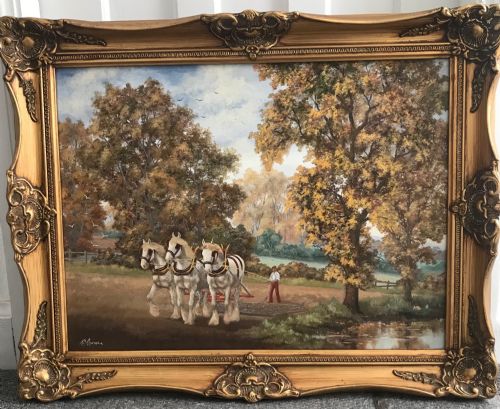
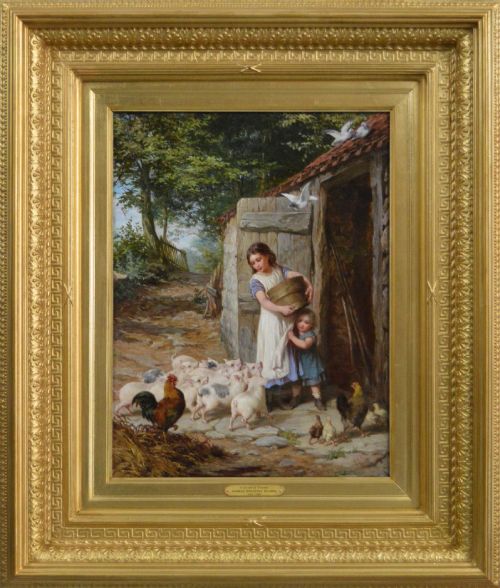
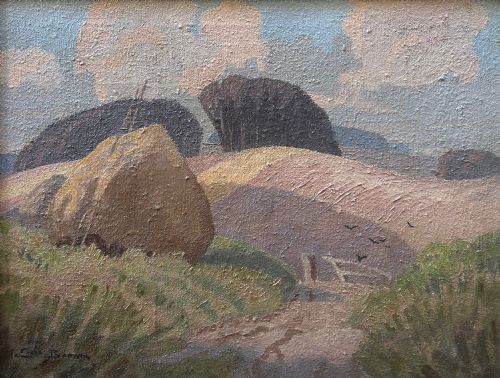
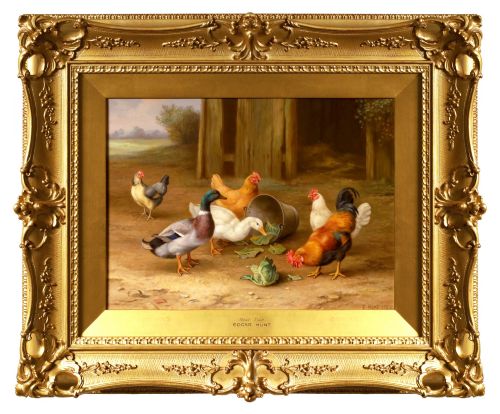
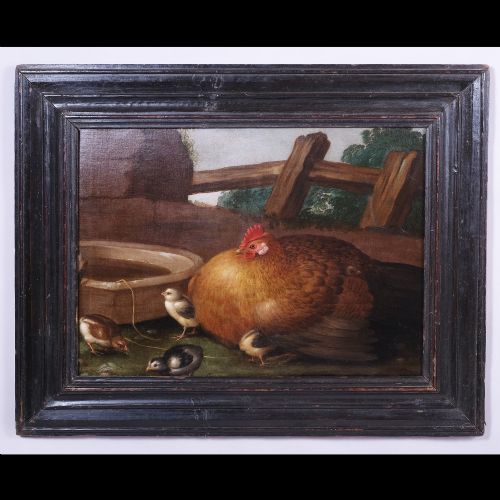
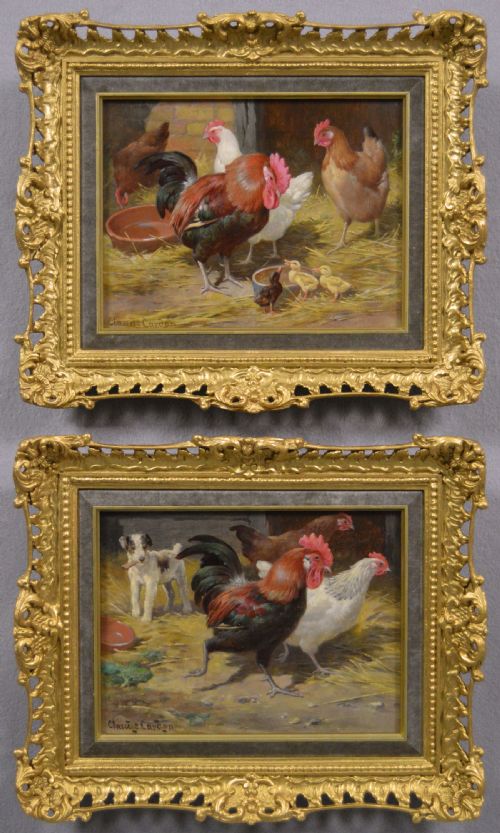
When searching for antique farm scene artwork, buyers encounter framed paintings depicting rural landscapes, agricultural labour, and farmyard animals. These works record pastoral life through mediums such as oil on canvas and watercolour on paper.
The selections available range from early eighteenth-century canvases to twentieth-century Edwardian watercolours. Works commonly feature horses, cattle, sheep, and poultry situated within traditional farmyards or open fields.
Stylistic approaches transition from nineteenth-century realism to British impressionism and pastoral scenes. Most examples present settled country views created by named artists and regional painters.
How they were made
Painters utilised oil paint applied to stretched canvas or wooden panels, alongside watercolours worked on paper supports. These traditional materials provide durability and maintain pigment stability over centuries.
Many works retain their period framing, frequently constructed from wood finished with gilt details. The application of brushwork ranges from detailed realism to looser impressionistic marks.
Listings feature works executed in oil on canvas, oil on panel, and watercolour on paper.
What varies in quality
The standard of an antique farm scene artwork depends upon the artist's ability to render animal anatomy and natural light convincingly. Superior examples demonstrate careful observation in the depiction of working horses, livestock, and human figures.
Compositional balance and brushwork execution separate ordinary decorative pictures from accomplished fine art paintings. The preservation of the original paint surface and framing also influences the desirability of each piece.
George Augustus Holmes·Edgar Hunt·Claude Cardon·Raimond Louis Lecourt·Herbert Royle·James William Booth·John Frederick Herring Jnr·Ernest Pile Bucknall·Samuel Joseph Clark·Charles Vickers·Percival Glenfern·John Linnell·J.C. Grey·George Soper·Pierre Emmanuel Dielmans·Florence Hess·Arthur Winter Shaw·Thomas Sidney Cooper·Robert Russell MacNee·Owen Bowen·B. Kaufmann·Rowland Henry Hill·Frederick J. Knowles·Gustav Goemans·John R. K. Duff
The Antique Farm Scene Artwork Glossary
- Oil on Canvas
- Pigment mixed with drying oil applied to a woven fabric support stretched over a wooden frame. This technique allows for rich colour blending and textured brushwork.
- Watercolour Painting
- Pigments suspended in a water-soluble vehicle applied to paper. This medium creates translucent washes and delicate tonal gradations.
- Pastoral
- A genre of art that idealises rural life, agriculture, and farm animals. These scenes emphasise peaceful country settings and agrarian labour.
- Giltwood
- Wood that has been decorated with a thin layer of gold leaf or gilt paint. Period frames often utilise this finish to complement the artwork within.
Antique Farm Scene Artwork: Frequently Asked Questions
What subjects appear in these artworks?
These pieces typically show farmyards, agricultural fields, and rural landscapes populated by working horses, cattle, sheep, and poultry. Artists frequently depicted daily agricultural activities such as harvesting, ploughing, and feeding livestock.
Human figures also feature in many compositions, ranging from farm labourers resting near oak trees to women feeding chickens and calves. Each work reflects nineteenth- and early twentieth-century rural British and European life.
How do I hang and display them?
Display these paintings away from direct sunlight and damp environments to protect the canvas, paper, and wooden frames. Adequate wall space allows the composition and period frame to be viewed without crowding.
Secure picture wire and appropriate wall fixings should match the weight of the framed artwork. Maintaining stable room temperatures helps preserve both the oil paint and watercolour mediums.
How can I tell the period?
Dating relies on stylistic markers, framing techniques, and artist signatures documented in historical records. Nineteenth-century realism often employs darker palettes and detailed animal rendering, while later Edwardian pieces show brighter Impressionist influences.
Examine the reverse of the canvas or paper support for old labels, artist inscriptions, and framing stamps. These secondary elements often provide precise dates or exhibition history.
What is the difference between oil and watercolour?
Oil paintings utilise pigments bound in drying oil on canvas or panel, offering thick textures and deep colour saturation. Watercolours use water-soluble pigments on paper, resulting in lighter, translucent compositions that require protective glass framing.
Oils generally prove more durable over time, whereas watercolours remain sensitive to light and moisture. Both mediums were widely used by pastoral artists to capture rural scenes.