




19th Century Realism Artwork
These 19th century realism artwork pieces capture everyday life and portraiture with striking fidelity.
19th Century Realism Artwork
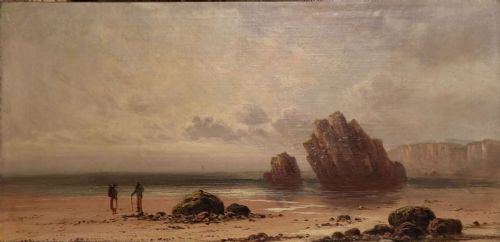
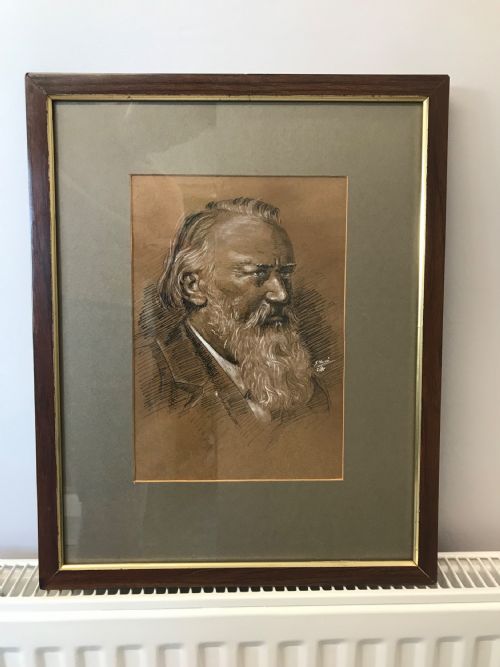
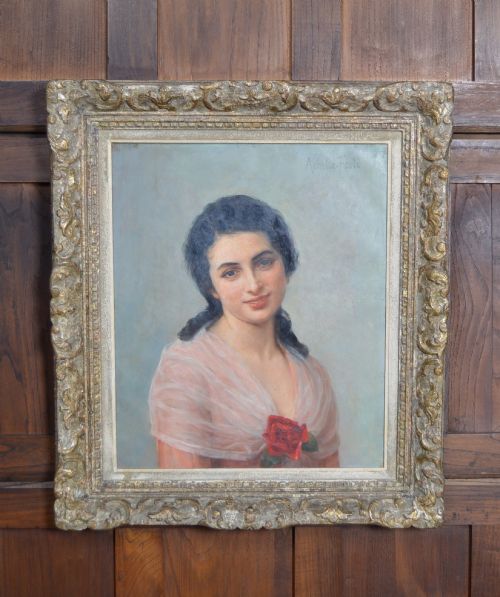
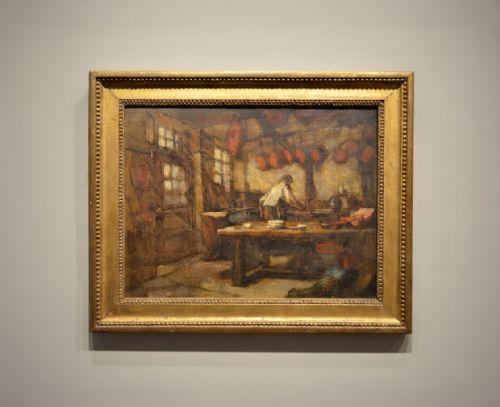
When you search for 19th century realism artwork, you encounter oil paintings, watercolours, and panel works that focus on truthful, unidealised depictions of daily life, portraits, and coastal scenes. The selection on this page leans heavily toward oil on canvas, alongside works on panel and paper, spanning periods from the Victorian era through to the early decades of the twentieth century.
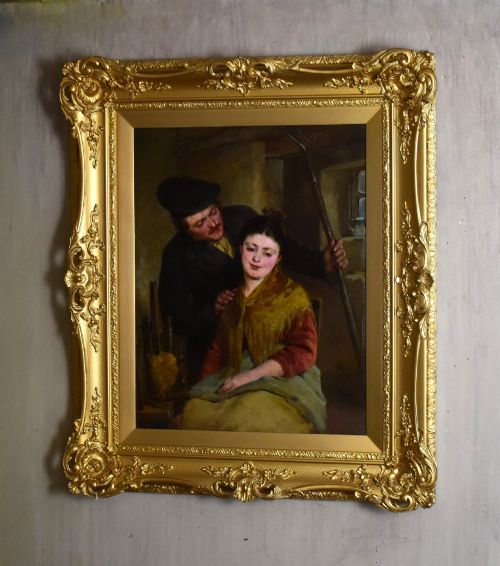
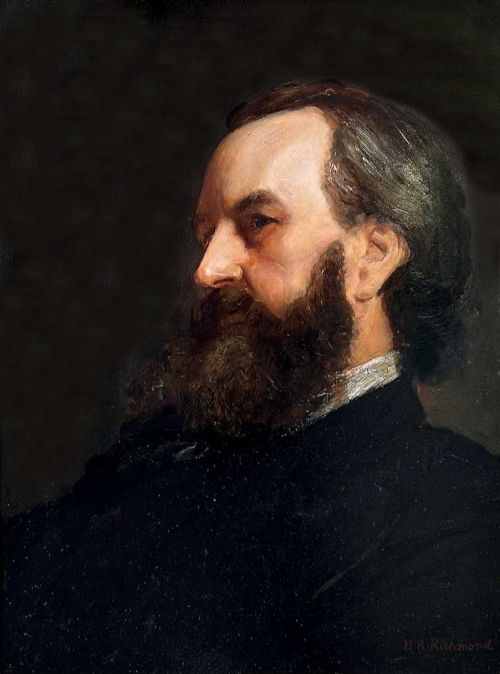
The subjects range from intimate interior scenes and domestic genre paintings to portraits of gentlemen, workers, and animals. You will find pieces rooted in French, British, and broader European artistic traditions, reflecting the diverse geographic origins of the makers working within this stylistic movement.
Materials and technique
The primary medium recorded across these listings is oil on canvas, supplemented by works executed on wood panels, board, and watercolour on paper. Artists utilised traditional pigments applied with careful brushwork to build depth, texture, and light within the composition.
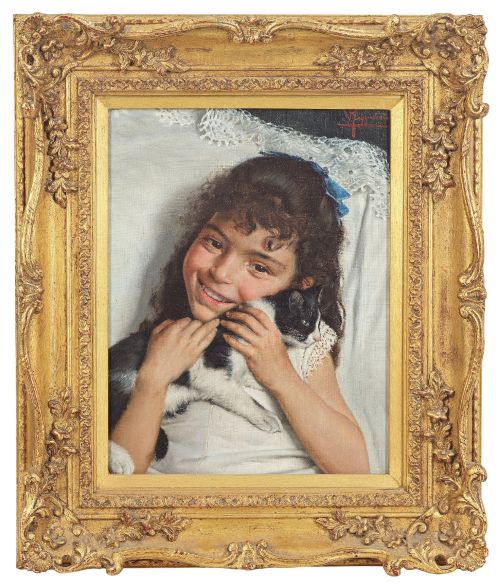
Many of these works retain their original or period framing, often constructed from wood and finished with gesso and giltwood to complement the visual weight of the painting.
Several canvases record cats, dogs, and lions sharing the frame with humans.
Distinguishing quality in these works
Quality in these pieces rests upon the surety of the drawing, the handling of light and shadow, and the psychological depth captured in portraits or narrative genre scenes. Masterful command of tone and perspective distinguishes a compelling composition from a routine academic exercise.
The preservation of the paint surface and the integrity of the original support material also influence the standing of an individual work. Subtlety in narrative and economy of brushstroke signal the hand of a more accomplished painter.
Felix Stone Moscheles·Vittorio Reggianini·Howard Helmick·Achille Fould·Jules Dalou·Johann Hamza·Charles Zacharie Landelle·Frans Gailliard·Ferdinand Victor Leon Roybet·Henri Joseph Harpinies·Thomas Couture·Antonietta Brandeis·Ralph Hedley·Hans Temple·Gustav Goemans·Guillaume Urban Reglamey·Eugene Battaille·Geza Vastagh·Edward John Cobbett·George Harcourt Sephton
The 19th Century Realism Artwork Glossary
- Genre painting
- Depictions of everyday life, ordinary people, and domestic scenes rather than grand historical or mythological subjects. These works often tell a social story.
- Oil on canvas
- A painting technique where pigments suspended in drying oils are applied to stretched fabric. It allows for rich blending and textured impasto.
- Gesso
- A plaster-like mixture applied to wood or canvas as a base for painting or gilding. It provides a smooth, stable surface for the final finish.
- Luminist
- An artist focused on the effects of light on landscape and atmosphere. This approach prioritises subtle tonal gradations and careful observation of natural illumination.
- Panel painting
- Art executed on a flat piece of wood rather than fabric. This rigid support was common in smaller nineteenth-century works.
19th Century Realism Artwork: Frequently Asked Questions
What subjects appear in 19th century realism artwork?
The subjects include portraits of individuals, blacksmiths, milkmaids, street sellers, and domestic interiors. Coastal views and animals also feature prominently.
Artists drew inspiration from ordinary life, capturing the labour and quiet moments of nineteenth-century society.
How do I identify a Victorian realism painting?
Look for narrative scenes focusing on social conditions, working people, or family life rendered with careful attention to detail. The palette often relies on earthy tones.
Signatures, dates, and framing can also offer clues to the specific decade of creation within the Victorian period.
Are these artworks framed?
Many pieces retain period frames made from wood, gesso, and giltwood. These surrounds complement the Victorian and late nineteenth-century aesthetic.
Check the individual listing details to confirm whether a specific artwork includes its period frame.
What materials were used by these artists?
The primary materials are oil paint applied to canvas, wood panels, or board. Some pieces are executed in watercolour, pen, ink, wash, and gouache on paper.
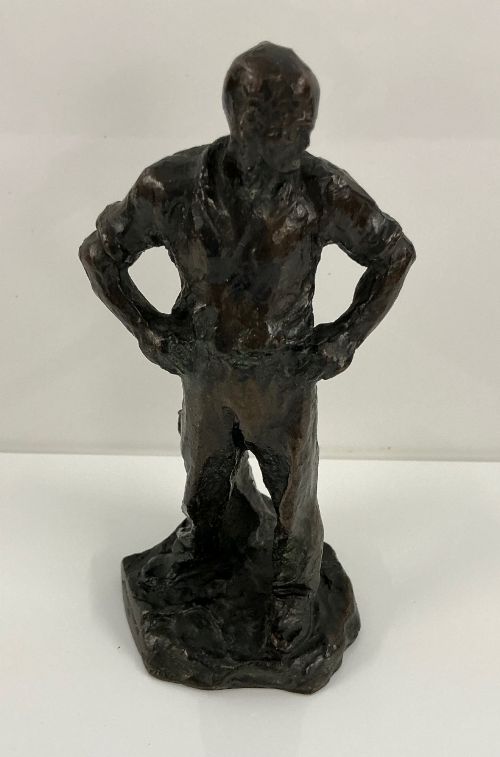
Sculptures cast in bronze also appear within this artistic tradition.