
Antique Fairy Art
Antique fairy art captures mythological folklore through delicate watercolour paintings, lustre vases, and intricate bronze busts spanning the Victorian and early twentieth centuries.
Antique Fairy Art
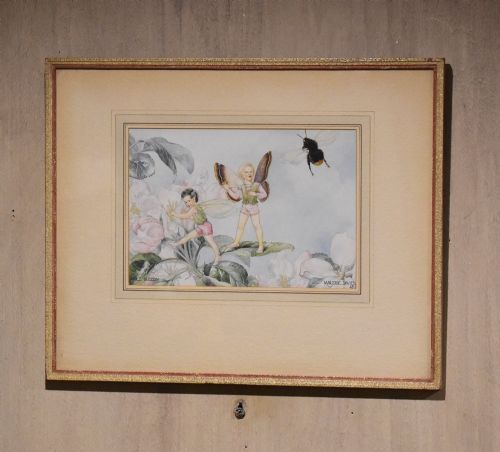
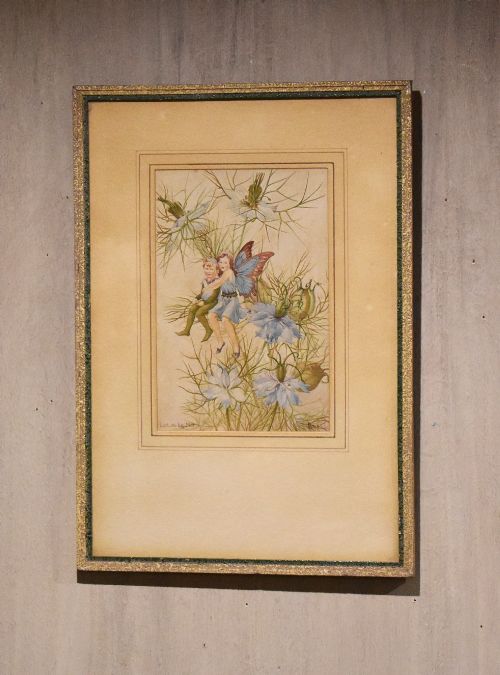
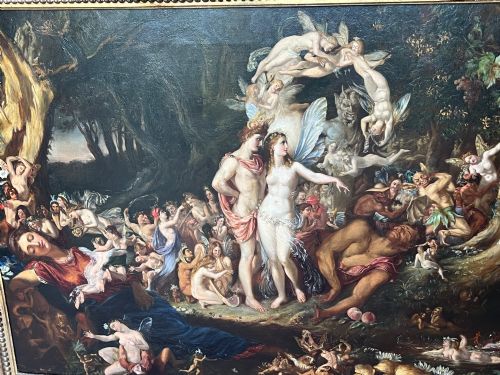
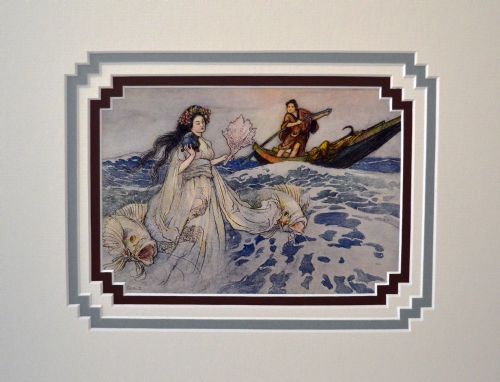
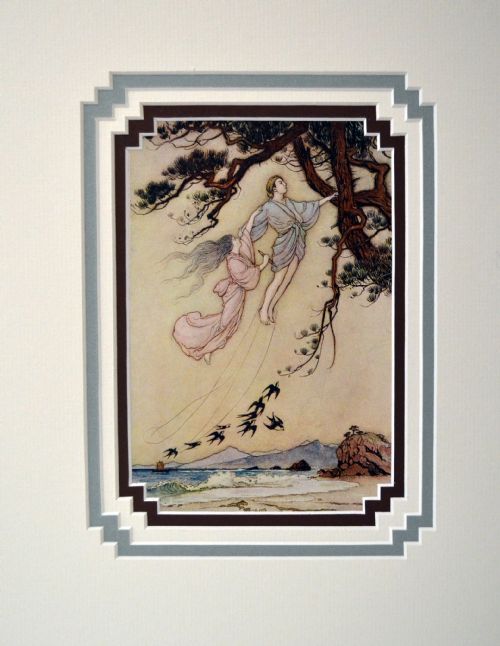
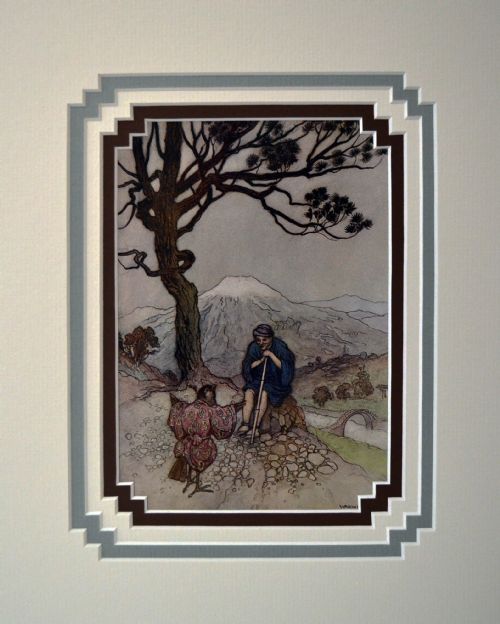
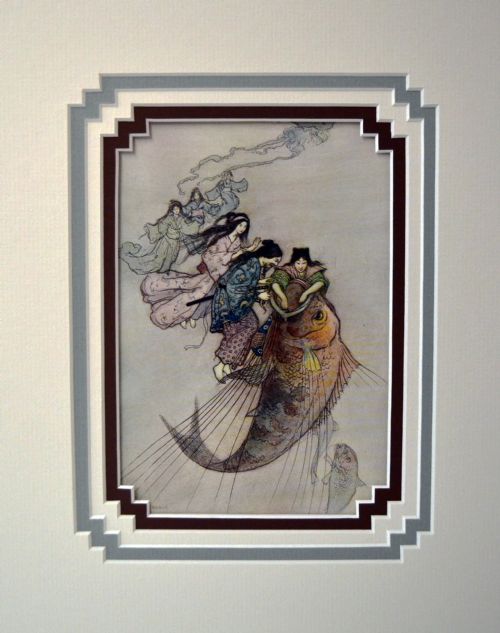
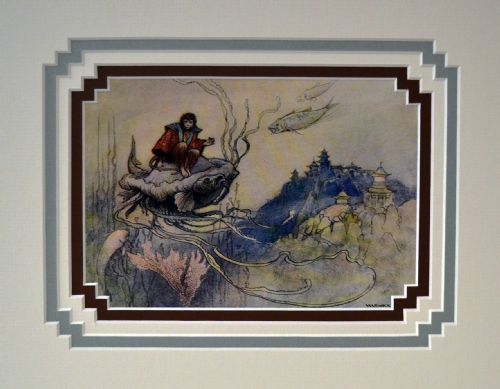
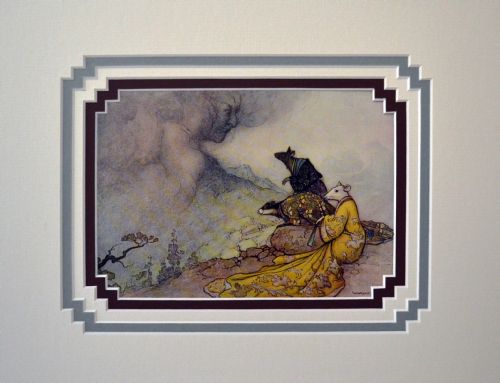
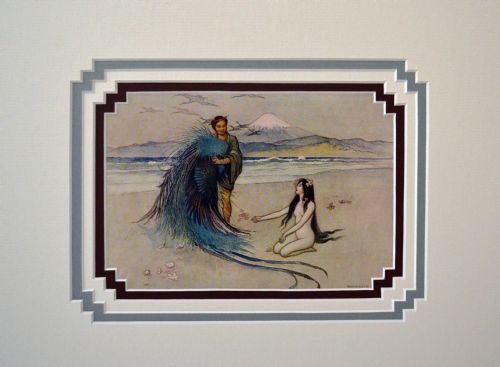
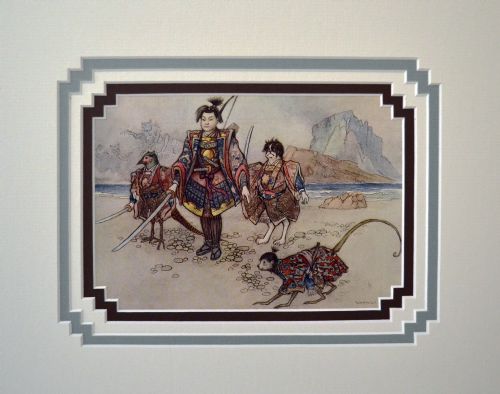
When people search for antique fairy art, they encounter a diverse range of imaginative works including framed prints, decorative plaques, and illustrated book pages. These items reflect the deep fascination with woodland spirits, folklore, and theatrical scenes common in British and European culture.
The selection on this page relies heavily on early twentieth-century illustration and Edwardian craftsmanship. Pieces span distinct periods from the nineteenth century through the 1940s, offering works by notable illustrators and ceramic designers.
Common material forms include watercolour paintings on paper, earthenware vessels, and cast bronze sculpture. Buyers find both intimate book illustrations and larger framed artworks depicting classic literary fairy tales and Shakespearean scenes.
Materials and techniques
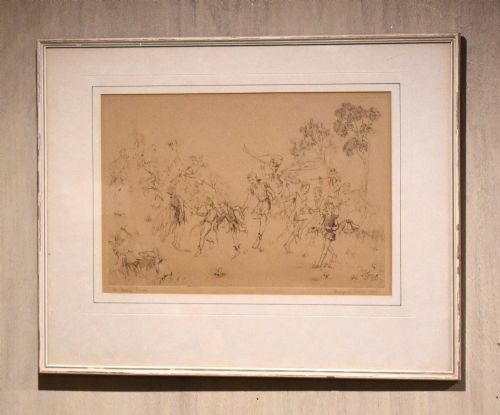
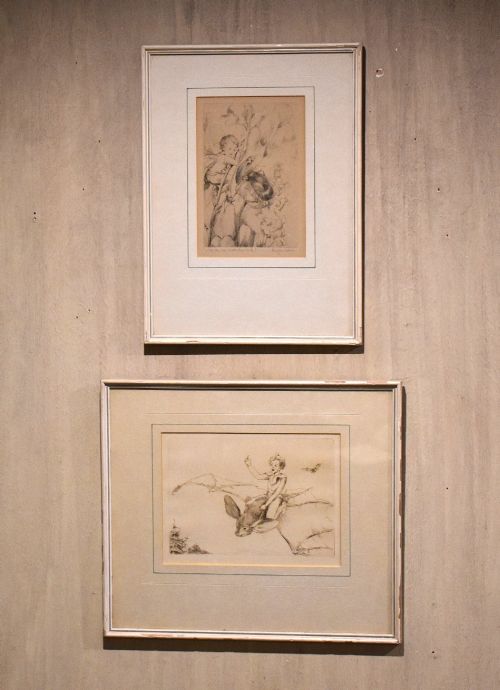
Makers utilised traditional mediums such as watercolour and ink on paper and cardboard to achieve fine illustrative detail. Print works often originate from early edition books, capturing the intricate linework of the period.
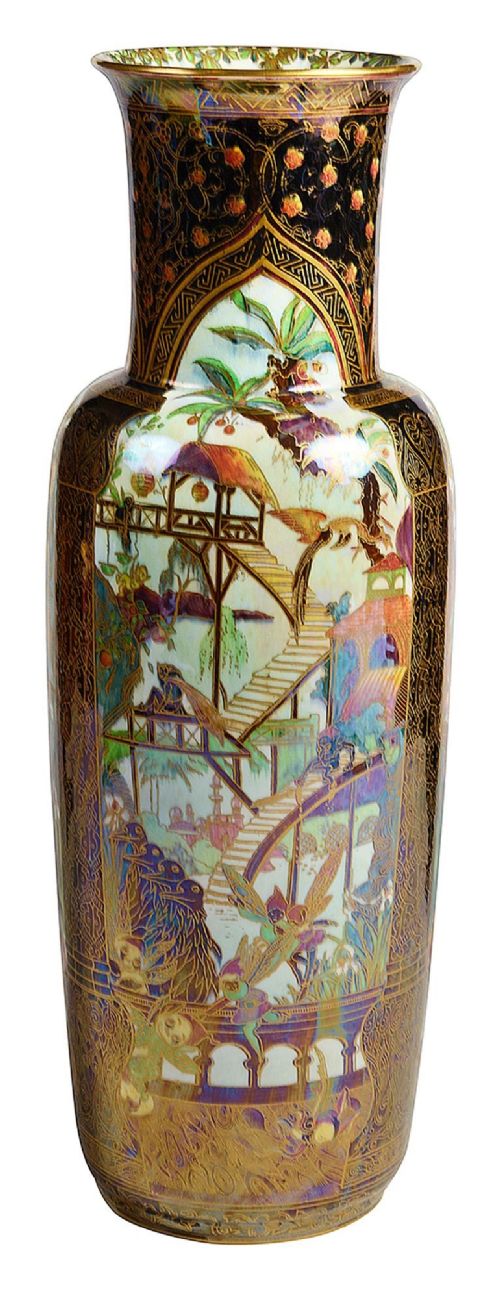
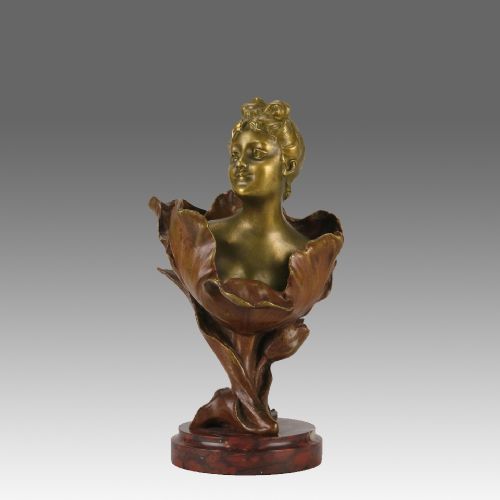
Ceramic pieces combine earthenware bodies with specialised lustre glazes and gold leaf applications. Bronze works employ metal casting techniques to render sculptural busts with patinated finishes.
Precious metals and specialised enamelling techniques appear in wearable items, utilising silver gilt and plique-à-jour methods to create translucent wing motifs.
Fairies apparently required very specific porcelain vessels to dwell in, judging by the specialised lustre vases created for them.
Quality variations
The distinction between standard and exceptional pieces rests upon the precision of the hand-painting and the renown of the artist or pottery designer. Works by established figures exhibit superior draughtsmanship and more complex glazing techniques.
Medium preservation heavily influences the appeal of paper and watercolour items, where clean paper supports and vibrant, unfaded pigments elevate the standing of a piece. Ceramic pieces rely on the evenness and iridescence of their lustre finishes.
Marjorie L Davies·Sir Joseph Noel Paton·Daisy Makeig-jones·Henri Godet·William Yale·Warwick Goble·Thomas Bromley Blacklock·Meyle & Mayer
The Antique Fairy Art Glossary
- Lustre ware
- Pottery glazed with a metallic film that produces an iridescent sheen. This technique creates a luminous surface effect found on decorative bowls and vases.
- Plique-à-jour
- Enamelling technique where enamel is applied in cells without a backing, allowing light to shine through the transparent material. It resembles miniature stained glass.
- Watercolour
- Painting method where pigments are suspended in a water-based solution. Artists use this technique on paper or card to achieve soft, translucent washes of colour.
- Gilt bronze
- Bronze objects treated with a thin layer of gold or gold leaf. This process enhances decorative metalwork with a bright, metallic finish.
- Silhouette
- Art form showing the outline of an object filled in with a solid colour, typically black. These pieces emphasise stark contrast and profile form.
Antique Fairy Art: Frequently Asked Questions
What periods do these pieces date from?
The items span the nineteenth century through the 1940s, capturing Victorian, Edwardian, Art Nouveau, and Art Deco aesthetics. This timeframe encompasses the height of popular interest in folklore and fairy illustration.
Most pieces concentrate around the early twentieth century, reflecting the golden age of British book illustration and specialised ceramic production.
How were lustre vases made?
Potters applied metallic glazes to earthenware vessels before firing them in a kiln under specific conditions. This process caused the metallic compounds to react, leaving a shimmering, iridescent finish.
Designers like those at Wedgwood refined these techniques to produce rich orange and butterfly lustre patterns.
Where do the printed illustrations come from?
Many prints originate from first edition books and literary publications of the early twentieth century. Publishers paired stories with detailed plates created by prominent illustrators of the era.
These prints were later framed as independent artworks while retaining their original book dimensions and paper characteristics.
How should I display watercolour paintings?
Watercolour paintings on paper require protection from direct sunlight to prevent the pigments from fading over time. Framing them behind glass with acid-free mounts preserves the paper support.
Keep these artworks in rooms with stable humidity levels to maintain the integrity of the paper and ink.