



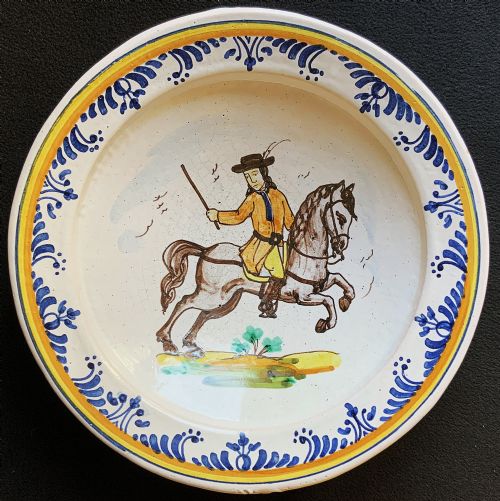

Antique Faience Dish
An antique faience dish brings centuries of tin-glazed earthenware into the home, prized for hand-painted cobalt and polychrome pigments on ceramic surfaces.
Antique Faience Dish
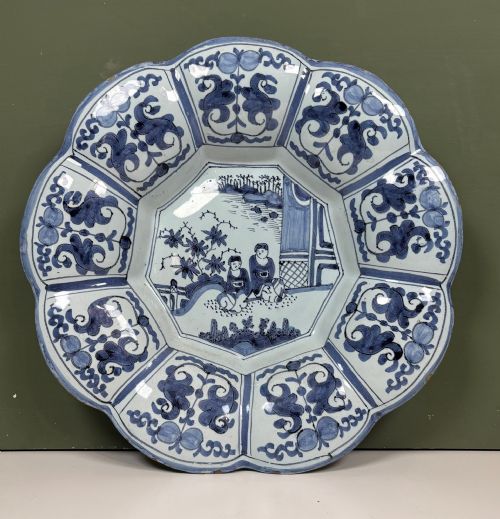
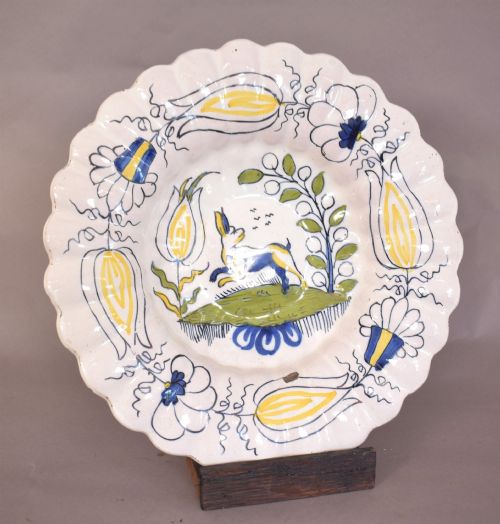
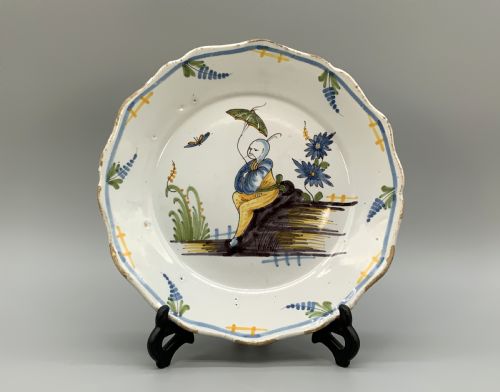
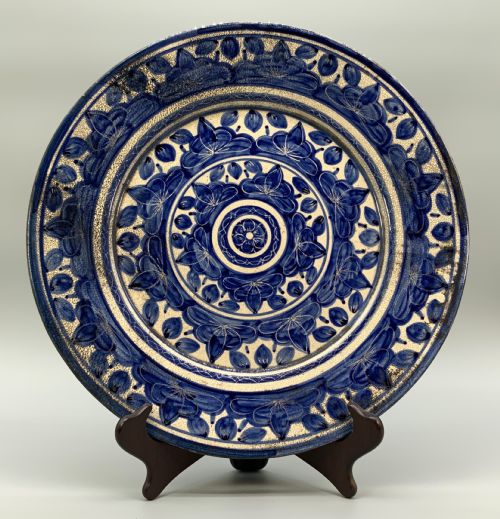
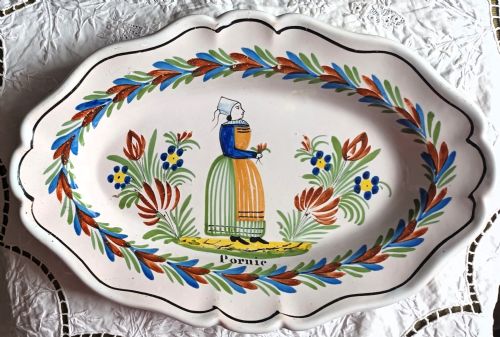
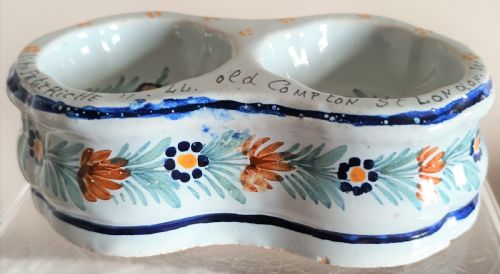
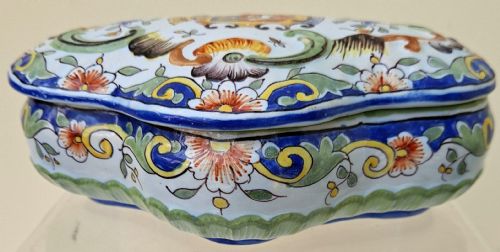
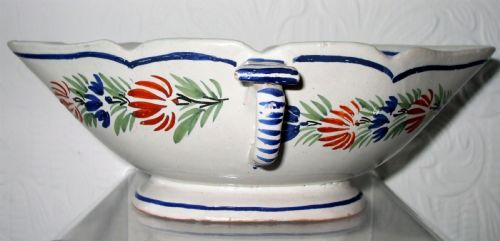
An antique faience dish encompasses tin-glazed earthenware forms ranging from charger plates and decorative dishes to sauceboats, salt cellars, and trinket boxes. Collectors encounter regional expressions spanning 17th-century Dutch Delftware, French provincial workshops, Spanish productions, and later revival styles.
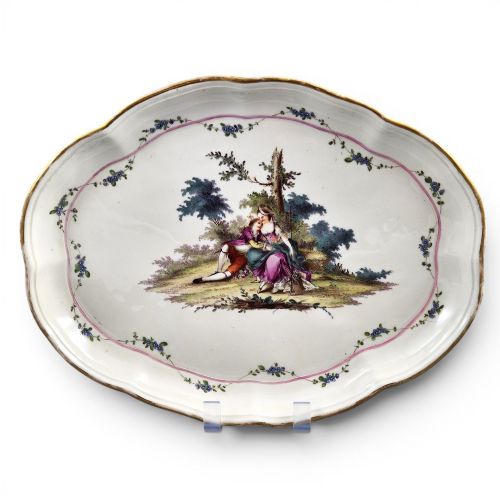
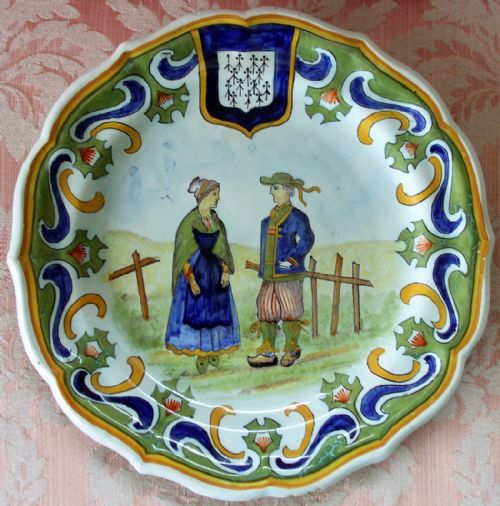
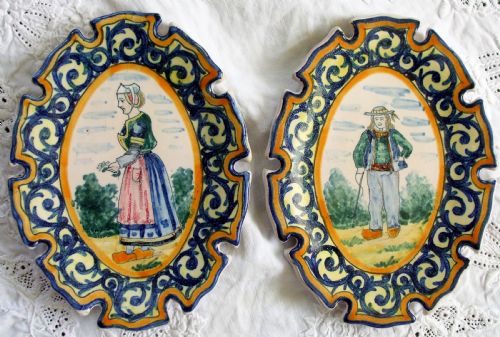
The objects take many shapes, including deep charger plates, lobed dishes, sweetmeat presentiers, and vide-poche trays. Pieces originate from periods including the 18th century, 19th century, and Georgian eras, alongside continental centres such as Quimper, Desvres, Marseille, and Delft.
How they were made
Potters shaped earthenware bodies and coated them in a white tin glaze to create an opaque canvas for painting. Cobalt pigment and polychrome enamels were applied directly to the porous unfired or fired glaze before a final kiln transformation fixed the colours.
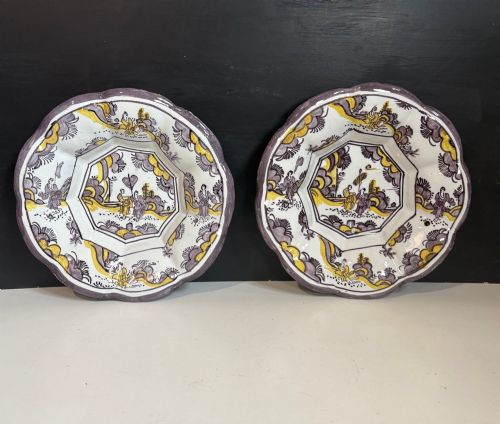
Workshops utilised hand-painted techniques, recording botanical motifs, geometric floral patterns, Chinoiserie scenes, and historical narratives. Firing temperatures and pigment control determined the final depth of the cobalt blue, manganese, yellow, and green tones.
Antique Faience Dish Retail Price Guide 2026
Typical asking prices for faience dish among the pieces listed under this phrase on Sellingantiques today, from the lower quarter to the upper quarter. They describe what is for sale here now, not the wider market.
A rogue 18th-century plate occasionally arrives with an earnest pig painted in the centre where a dragon ought to be.
What varies in quality
The distinction between tiers rests upon the precision of the hand-painted brushwork and the clarity of the tin glaze over the earthenware body. Master painters achieved sharper pictorial detail in scenes and floral motifs, whereas simpler commercial output displayed heavier, less defined brush application.
Colour vibrancy and glaze stability also set examples apart. Rich polychrome palettes and deeply saturated cobalt pigment on well-potted bodies represent the upper reaches of regional production.
HB Quimper·HR Quimper·Joseph Gaspard Robert
The Antique Faience Dish Glossary
- Faience
- Tin-glazed earthenware produced in continental Europe, particularly in France, Germany, and the Netherlands. The technique uses an opaque white glaze decorated with metallic oxide pigments.
- Charger
- A large decorative plate intended for display rather than table service. Chargers often measure over thirty centimetres across and feature pictorial or geometric compositions.
- Polychrome
- Decoration employing multiple colours rather than a single pigment. In tin-glazed pottery, this typically combines cobalt blue, manganese purple, yellow, and green.
- Tin Glaze
- A ceramic glaze made opaque by the addition of tin oxide. It provides a white background that absorbs painted pigments before the glaze matures in the kiln.
- Chinoiserie
- European artistic interpretations of Chinese and East Asian design motifs. These patterns frequently appear on 18th-century tin-glazed plates and chargers.
Antique Faience Dish: Frequently Asked Questions
Can I use an antique faience dish for food?
Most antique tin-glazed pieces are intended for display and light decorative use rather than daily dining. Historic glazes can be delicate, and older earthenware bodies absorb liquids over extended periods.
Use chargers and plates for visual display on walls or dresser stands. If serving dry items, place a barrier between the ceramic surface and the food.
How do I tell Dutch Delft from French faience?
Examine the palette, regional motifs, and glaze characteristics to distinguish between production centres. Dutch Delft traditionally favours deep cobalt blue or characteristic polychrome geometric floral schemes on earthenware.
French faience from centres like Quimper or Desvres often incorporates distinct regional figures, yellow accents, manganese purple tones, or characteristic floral sprays. Maker marks on the reverse also provide clear attribution.
What is the difference between a charger and a plate?
Chargers are significantly larger than standard dining plates, generally measuring upwards of thirty centimetres in diameter. They served primarily as decorative showpieces on sideboards or tables.
Plates were produced in smaller domestic dimensions for functional dining or sweetmeat service. Both share the same tin-glazed earthenware construction technique.