
Antique European Painting
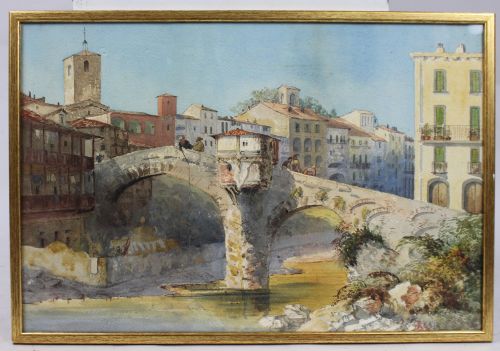
When you search for antique european painting, you uncover centuries of canvas and panel works spanning Flemish Baroque, Impressionism and regional schools.
Antique European Painting
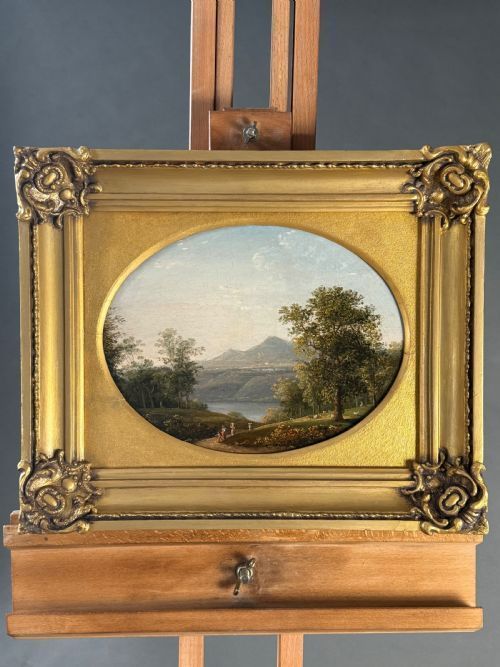
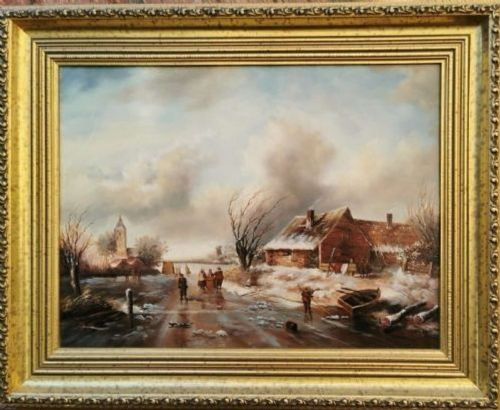
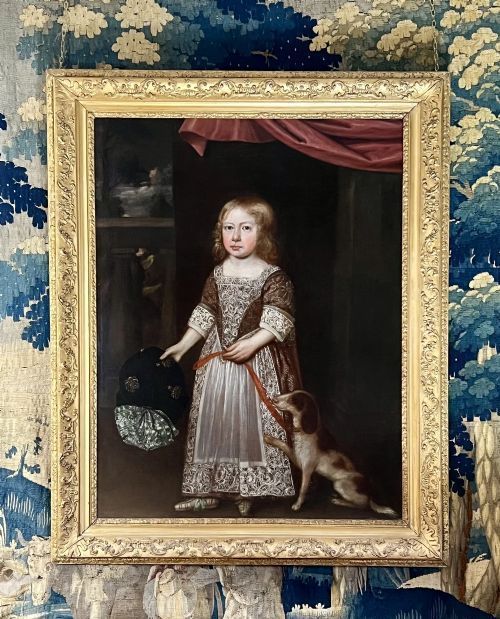
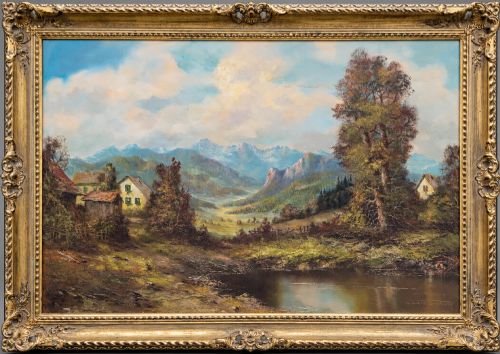
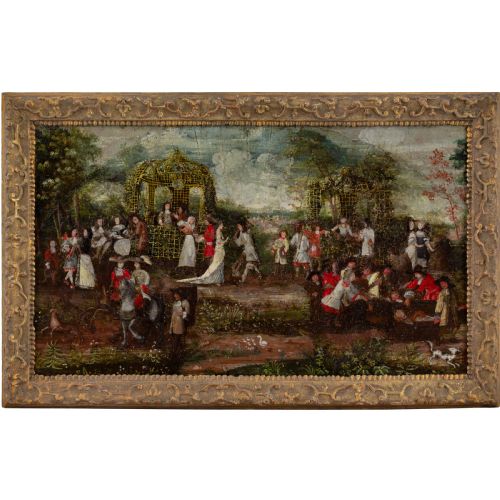
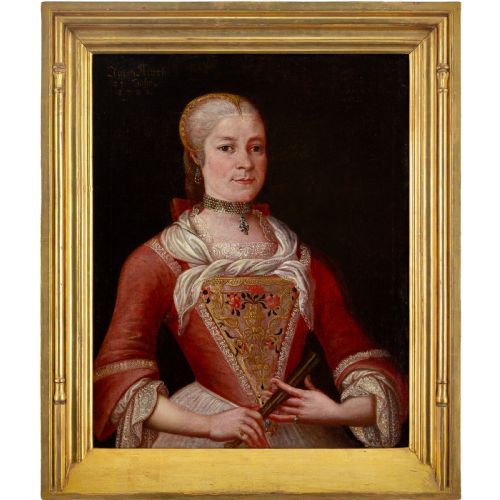
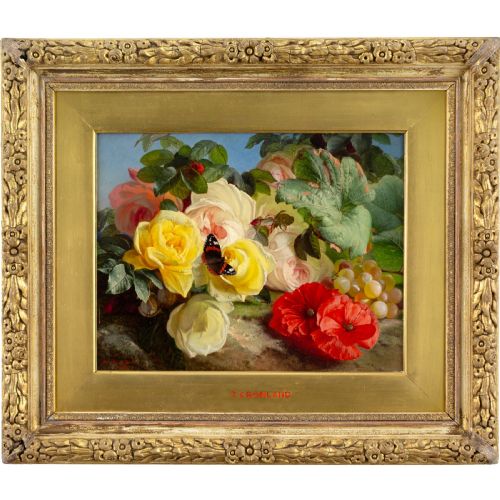
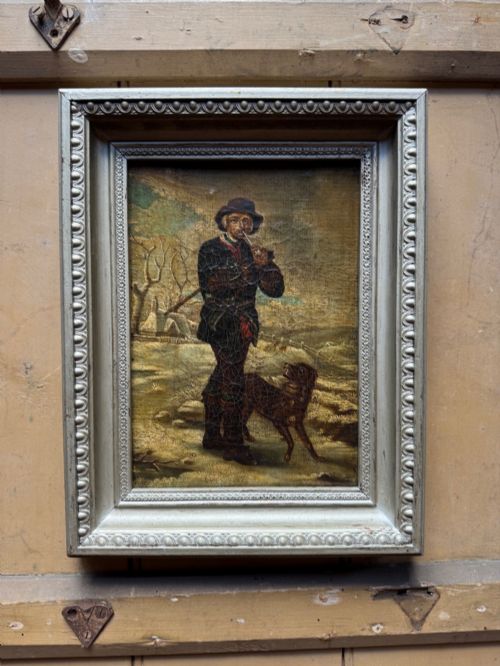
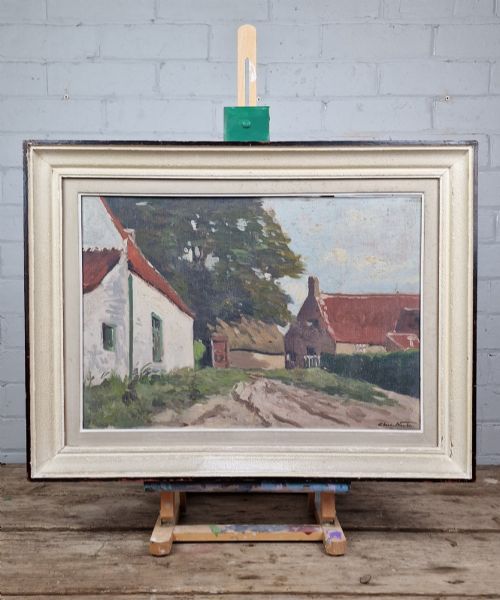
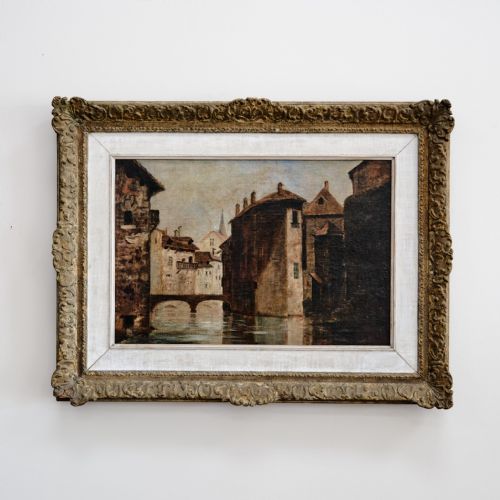
An antique european painting encompasses works on canvas, board and panel produced across various centuries and artistic movements. Buyers searching this phrase encounter everything from formal portraits attributed to continental schools to rustic folk art panels and landscapes.
The selection on this page leans heavily toward nineteenth-century works and earlier seventeenth- and eighteenth-century pieces. Alongside oil paintings and watercolours, listings include related painted furnishings and decorative pine panels from across Europe.
How they were made
These works rely on traditional media such as oil paint and watercolour applied to prepared canvas, wood panels or boards. Painters utilised grounds of gesso on timber or primed woven textiles to receive pigments.
Many items incorporate auxiliary supports like wooden stretchers or frames. Painted wooden boxes, benches and panels utilise regional pine or hardwoods decorated with hand-applied pigments and protective finishes.
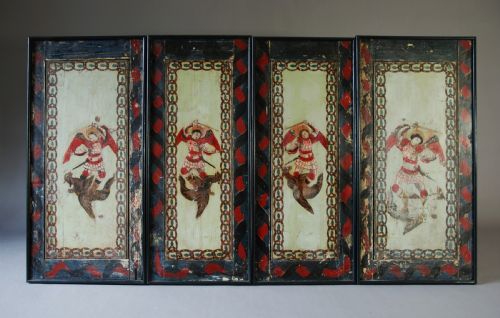
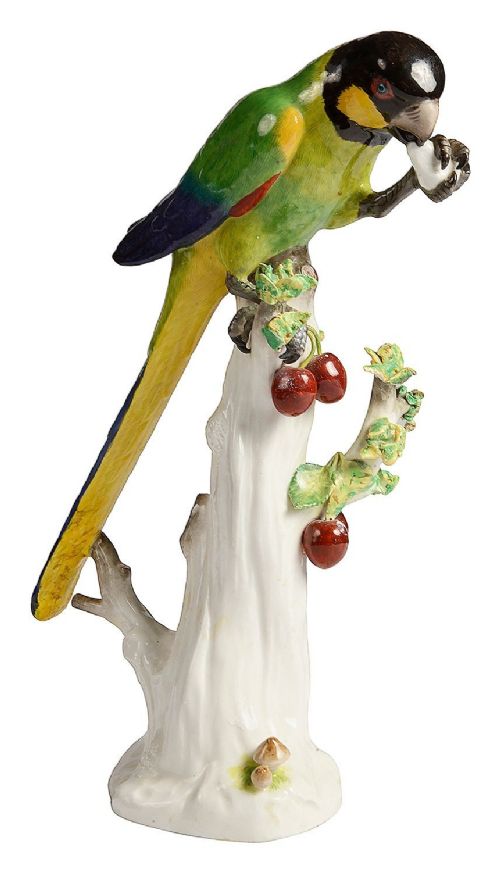
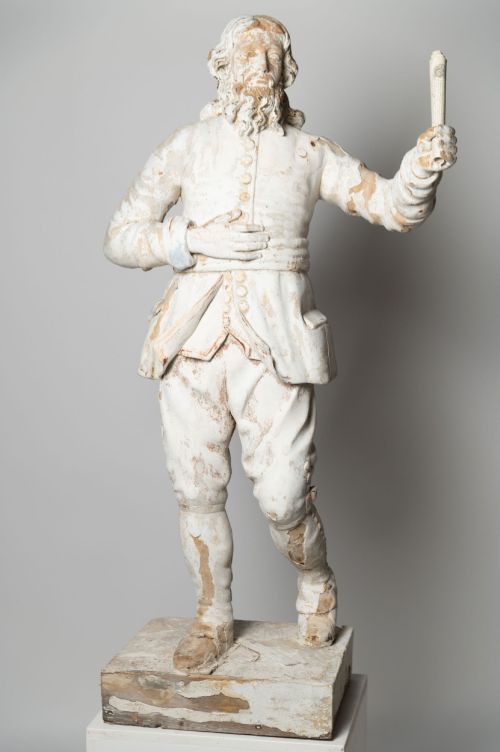
St. Michael and King William III rub shoulders with humble milking stools and startled parrots perched on tree trunks.
What varies in quality
Quality in these works rests upon the precision of brushwork, anatomical proportion and the handling of light and shadow within the composition. Finer examples display confident draughtsmanship and atmospheric depth, whereas simpler pieces lean toward naive or provincial execution.
The preservation of the original paint surface dictates distinction. Works retaining their untouched pigment layer without extensive later retouching hold greater integrity than those heavily restored.
Theude Grönland·Charles Houben·Max Kaltenmoser·Louis Charles Verwee·Paul-Élie Gernez·Victor Simonin·Frans Gailliard
The Antique European Painting Glossary
- Oil on Canvas
- Pigments bound in a drying oil applied to a woven fabric support stretched across a wooden frame. This technique allowed artists to build rich layers of colour and texture.
- Flemish Baroque
- The exuberant artistic style associated with seventeenth-century Flanders. It is characterised by dramatic lighting, rich palettes and dynamic compositions.
- Pentimento
- An alteration in a painting evidenced by visible traces of previous brushstrokes beneath the final layer. This occurrence shows the artist changing their mind during the creative process.
- Post-Impressionism
- A late nineteenth-century movement extending Impressionism while rejecting its limitations. Artists prioritised symbolic content and expressive use of paint over naturalistic depiction.
- Panel Painting
- A painting executed on a flat piece of wood rather than canvas. These supports were common in earlier centuries before canvas became the dominant medium.
Antique European Painting: Frequently Asked Questions
How do I identify a 17th-century painting?
Seventeenth-century works often feature heavy wooden panels, older canvas weaves and distinct preparation layers beneath the paint. Stylistic conventions, costume details and framing also offer clues to the period.
Examining the reverse of the canvas or panel can reveal historic builder stamps, wax seals or handwritten labels. Pigment analysis and the craquelure pattern within the paint surface further assist in confirming age.
What is European folk art painting?
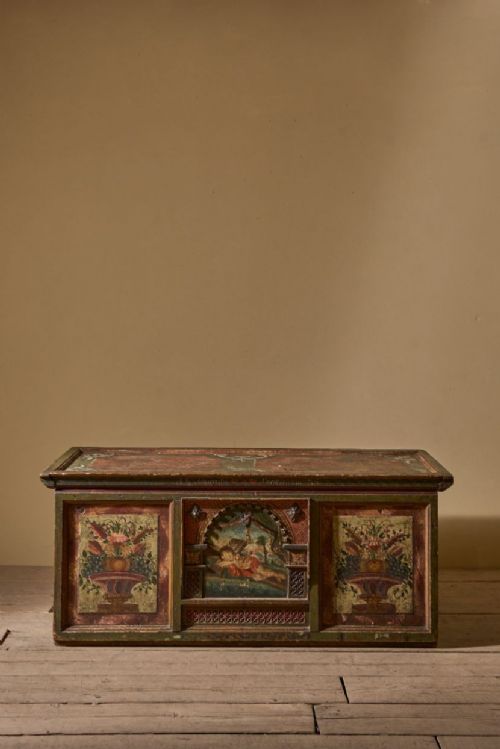
European folk art painting encompasses decorative works created by self-taught or regional artisans rather than academy-trained masters. These pieces often feature vibrant pigments applied to utilitarian objects like pine panels, marriage trunks and milking stools.
Such items reflect local cultural traditions and rural aesthetics rather than courtly tastes. The charm lies in their naive perspectives and regional colour palettes.
Where should I hang an oil painting?
Oil paintings on canvas or panel require placement away from direct sunlight and excessive humidity. Stable indoor temperatures prevent the wooden stretcher frames and gesso grounds from warping or cracking.
Positioning the artwork at eye level on an interior wall protects the piece from environmental fluctuations. Proper wall placement ensures the canvas remains well-preserved for decades.
What does European school mean?
The term European school designates an artist, workshop or painting originating from a specific continental region or cultural sphere without a named individual author. Catalogues use this attribution when the precise hand remains anonymous.
These designations help contextualise the stylistic influences and geographical origin of an artwork. They link anonymous pieces to broader artistic traditions across Italy, Germany, Flanders and France.