


Flemish Baroque Artwork
Flemish baroque artwork brings rich seventeenth-century painterly drama and vibrant oil on canvas compositions directly into your home.
Flemish Baroque Artwork
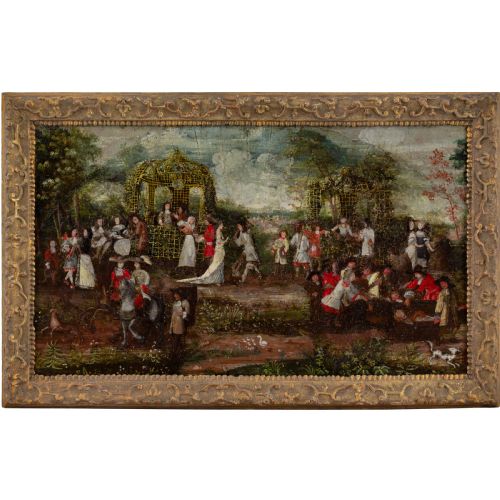
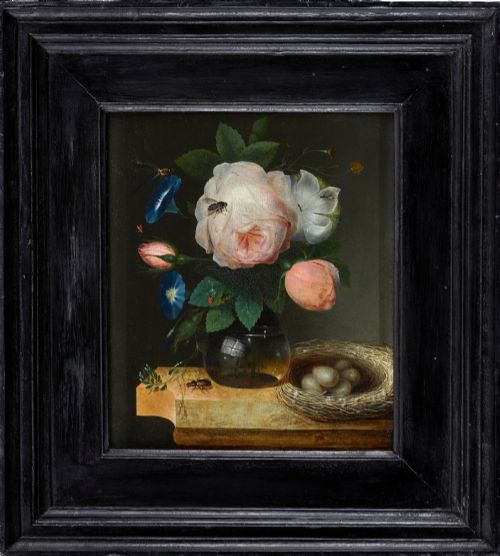
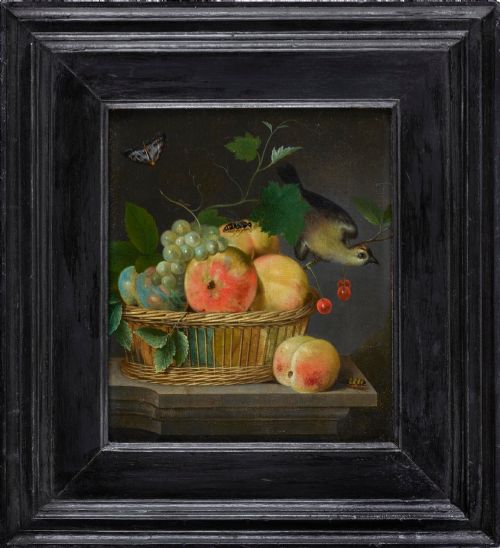
Flemish baroque artwork comprises historical oil paintings, lively genre scenes, detailed still lifes, and sweeping landscapes created across the seventeenth, eighteenth, and nineteenth centuries. You will most frequently encounter seventeenth-century oil paintings on canvas depicting floral arrangements, domestic animals, and expressive figural compositions.
These pieces capture the ornate aesthetic of the Flemish school and the Dutch Golden Age style, often attributed to notable circles or followers of period masters. The subjects range from expansive rural landscapes with sportsmen to intimate portraits and dramatic mythological narratives.
Assessing quality
Quality rests upon the subtlety of the brushwork, the depth of the oil paint layers, and the preservation of the original canvas or wood support. Stronger pieces display confident handling in the composition and expressive power in the figural or animal subjects.
The refinement of the gilt wood framing and the clarity of the underlying draughtsmanship further distinguish the finer examples from more derivative works.
Several seventeenth-century canvases feature rather assertive dogs caught in the act of stealing food from wicker baskets.
Gaspar Peeter Verbruggen·Frans Snyders·David Teniers·Marmaduke Cradock·Jacob Bogdani·Jan Cossiers·Pieter Bout·Adriaen Frans Boudewyns·Peter Paul Rubens·Bartholomeus Van der Helst
The Flemish Baroque Artwork Glossary
- Flemish School
- A regional grouping of artists working in Flanders during the seventeenth century and beyond, known for distinct realist techniques. Their output heavily influenced later European painting traditions.
- Still life
- An artwork dedicated to inanimate objects, such as fruit, flowers, or dead game, arranged in a deliberate composition. These works often carry symbolic meaning alongside their decorative appeal.
- Genre painting
- Depictions of everyday life, including peasant scenes, village fetes, and domestic interiors, rendered with narrative detail. This style gained immense popularity during the seventeenth century.
- Gilt wood
- Timber treated with a thin layer of gold leaf or gold paint, frequently used for period picture frames. It enhances the visual weight and theatricality of baroque compositions.
Flemish Baroque Artwork: Frequently Asked Questions
What subjects appear in flemish baroque artwork?
These paintings feature floral still lifes, domestic animals, village landscapes, portraits, and mythological narratives.
Such diverse subjects reflect the broad interests of patrons during the seventeenth century and subsequent revival periods.
How should I hang an oil painting on canvas?
Keep the canvas away from direct sunlight and steady humidity fluctuations to protect the oil paint and wood stretcher.
Proper placement ensures the gilt wood frame and the pigments remain stable over decades of display.
How do I identify a seventeenth-century painting?
Look closely at the preparation of the canvas, the ageing of the oil paint, and the stylistic conventions of the Flemish school.
Subject matter and brushwork style often provide vital clues regarding the period of execution.
What is a genre scene?
A genre scene depicts everyday people engaged in common activities, such as village markets or tavern gatherings.
These compositions offer a fascinating window into historical social life and domestic habits.