





Flemish School Painting
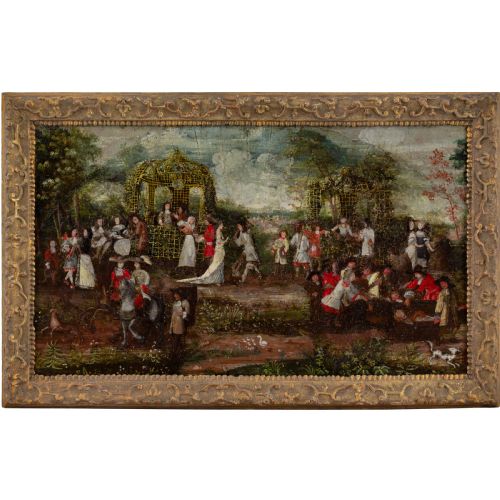
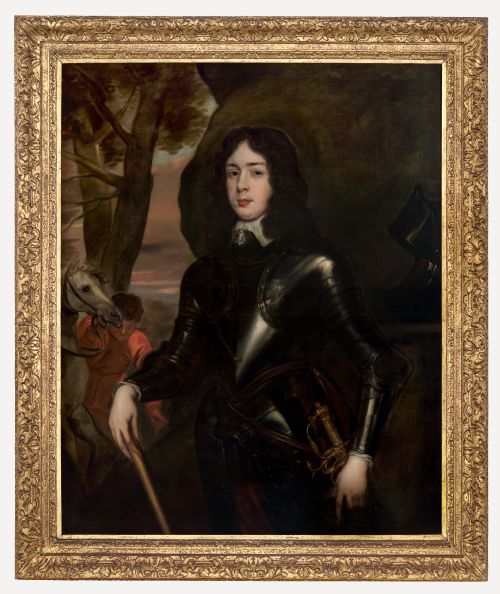
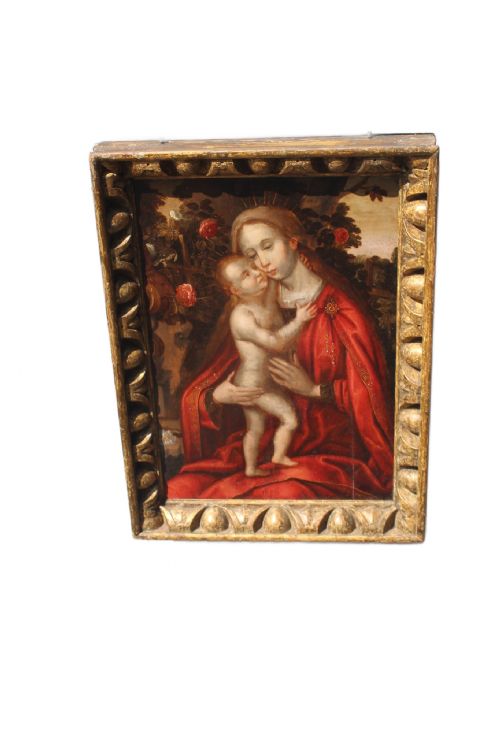
These flemish school painting examples span centuries of oil on canvas portraiture, landscape, and still life from distinct European workshops.
Flemish School Painting
A flemish school painting encompasses historical oil works ranging from seventeenth-century baroque portraits and tavern interiors to later landscape and still life compositions. Buyers encounter pieces spanning seventeenth-century origins through nineteenth-century revivals and mid-century impressionist interpretations.
Subjects vary widely from portraits of gentlemen, officers, and royalty in armour to religious scenes, winter landscapes, and detailed floral arrangements on wood, copper, or canvas.
Assessing quality
Several seventeenth-century gentlemen gaze sternly from these walls while sporting elaborate lace collars that clearly required immense patience to paint.
Sir Anthony van Dyck·David Teniers The Younger·Ambrious Benson·Peter Paul Rubens·Louis Smets
The Flemish School Painting Glossary
- Baroque
- A style of European art from the seventeenth century characterised by dramatic movement, deep shadow, and rich detail. This aesthetic underpins many early portraits and religious compositions.
- Giltwood
- Wood carved and covered with a thin layer of gold leaf or gold powder. This material is standard for framing historical oil works.
- Manner of
- An artwork produced by an unknown hand close in style to a master without directly copying a known work. It denotes stylistic imitation from the period.
- Oil on canvas
- Pigments bound in a drying oil applied to stretched fabric support. This combination remains the predominant medium across these historical listings.
Flemish School Painting: Frequently Asked Questions
How do I date an old oil painting?
Dating relies on examining the canvas weave, stretcher construction, and pigment analysis alongside stylistic traits of the period. Costume details and hair styles in portraits also provide reliable chronological markers.
Frame construction and historical labels on the reverse often offer further clues to the age of the piece.
What is the difference between an original and an after work?
An original painting is executed by the named artist during their active period. An after work is created by a later follower copying an established composition.
Both categories hold historical value, though contemporary copies often reflect the enduring influence of master painters.
How should I care for a canvas painting?
Keep paintings away from direct sunlight, extreme temperature fluctuations, and high humidity to prevent cracking in the oil paint. Stable indoor conditions preserve the integrity of both canvas and frame.
Avoid touching the painted surface directly, as natural skin oils can damage the fragile pigment layers over time.
Why are some paintings on copper panels?
Copper plates provided an exceptionally smooth surface that allowed artists to achieve remarkable detail and luminous colour depth. This support was favoured for smaller cabinet paintings and specialised still lifes.
The metal backing prevents the warping and organic decay commonly associated with wood panels.