



Antique European Folk Art
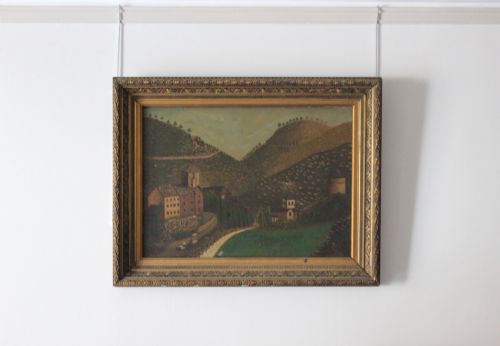
These pieces of antique european folk art bring together vernacular paintings, painted pine marriage chests, and carved wooden figures shaped by regional makers.
Antique European Folk Art
Antique european folk art encompasses utilitarian household objects, naive paintings, and rural furnishings made across various European regions. Buyers seeking this phrase encounter items spanning from the seventeenth century through the early twentieth century.
Regional diversity shapes the selection, with specific pieces originating in Eastern Europe, Romania, and Bessarabia. Textiles such as kilims and floral tapestries also emerge within the broader category of rural craftsmanship.
How they were made
Makers constructed these functional items primarily using native timber, most notably pine and hardwood, shaping structural elements with hand tools. Joinery methods remained straightforward and practical, designed for domestic utility in rural communities.
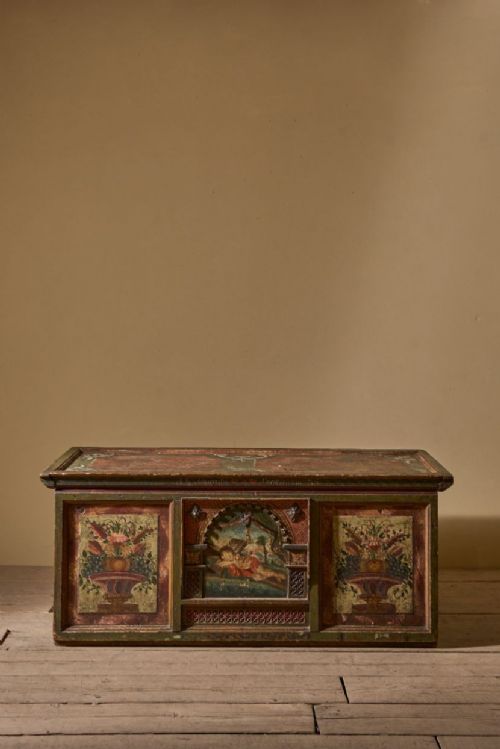
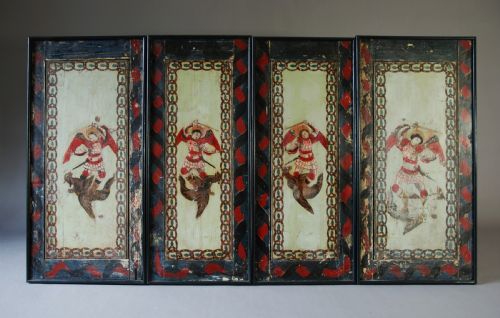
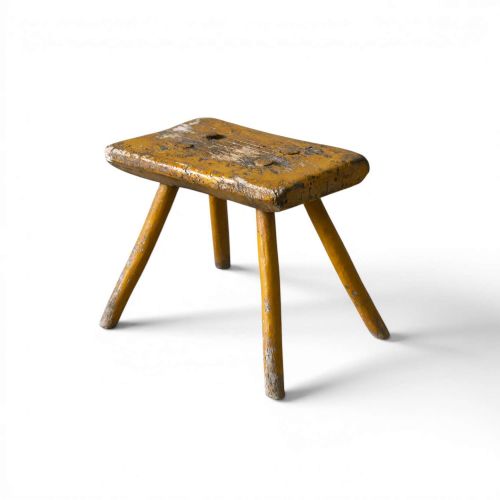
Makers applied pigment directly to wood surfaces, creating colourful schemes in ochre, yellow, green, and other original paints. Decorative panels and marriage chests often received naive figurative or floral brushwork, while sculptural forms relied on straightforward hand carving.
Listings feature items from the seventeenth, eighteenth, nineteenth, and early twentieth centuries, constructed in pine, hardwood, iron, and glass.
What varies in quality
The survival of original pigment separates standard utilitarian wares from superior examples of painted folk furniture and panels. Surface layers that retain their early ochre, green, or yellow paint without extensive modern overpainting hold greater visual integrity.
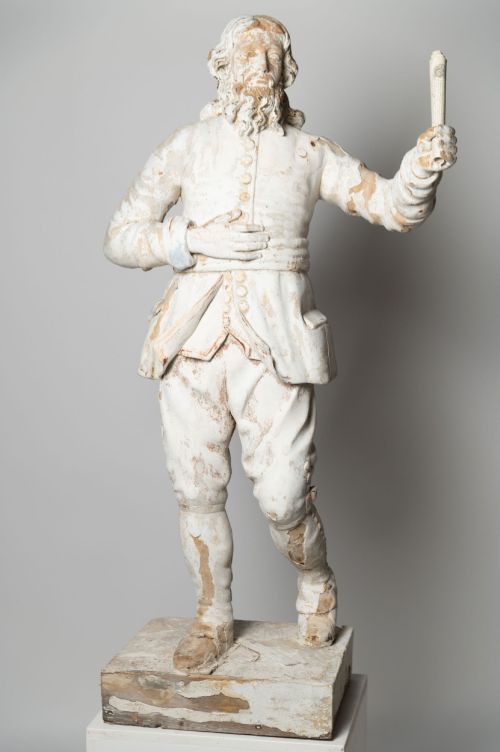
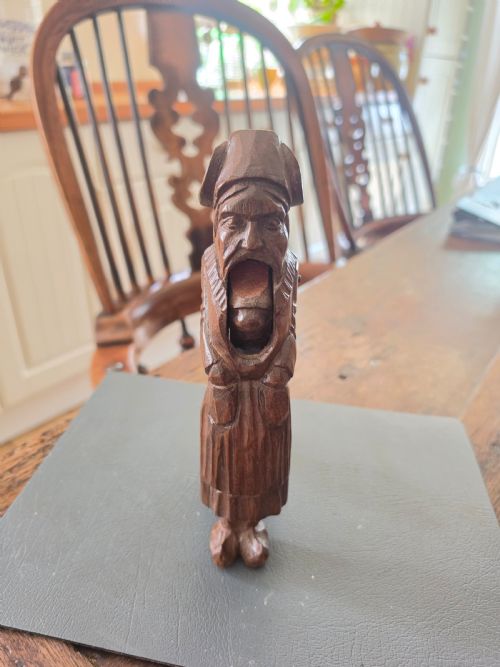
Expressive execution in carved figures and naive portraits distinguishes the more compelling objects from simpler workshop output. Details such as spirited facial expressions on figural money boxes or careful brushwork on marriage chests indicate higher regional craftsmanship.
The Antique European Folk Art Glossary
- Coffer
- A heavy wooden box with a lid, traditionally used for storing valuables or textiles in rural households. These pieces frequently display hand-painted floral motifs.
- Distaff
- A carved wooden tool used to hold wool or flax during spinning by hand. Many surviving examples feature intricate chip carving.
- Kilim
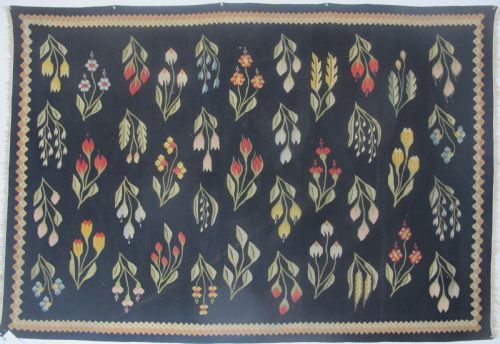
- A flat-woven textile produced in regions such as Bessarabia, utilised as a floor covering or wall hanging. They display geometric and floral patterns executed in wool.
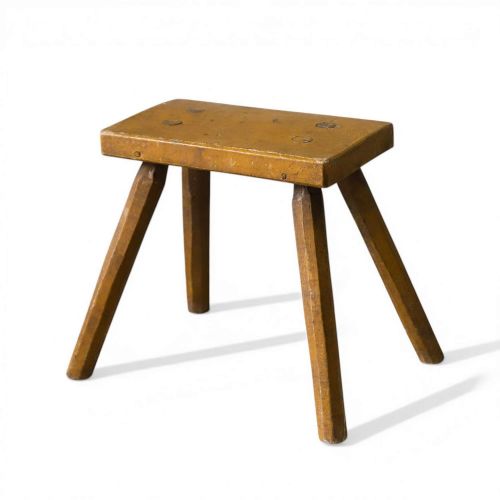
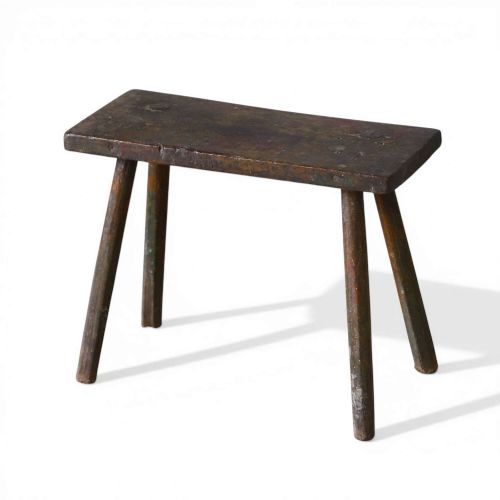
- Milking stool
- A small, low seating form with three or four legs, designed for agricultural labour. They often retain their original brightly coloured paint.
- Marriage chest
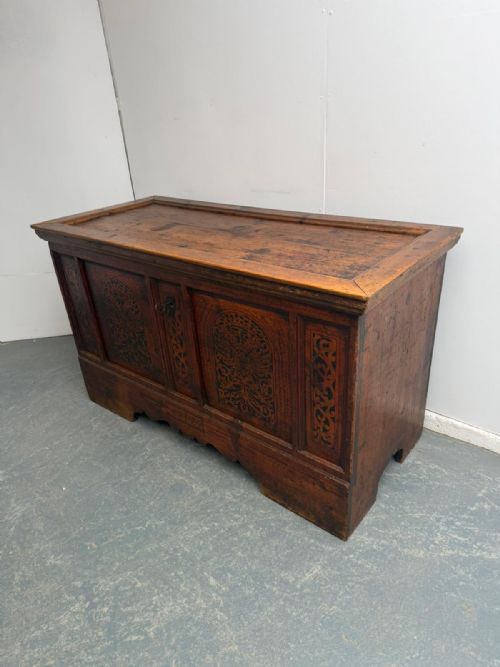
- A large storage trunk commissioned or decorated for a wedding, frequently painted with dates, names, or symbolic motifs. Pine served as the primary timber for these domestic centerpieces.
Antique European Folk Art: Frequently Asked Questions
What defines antique european folk art?
These items represent utilitarian and decorative objects made by rural artisans rather than urban guilds. They reflect regional traditions, materials, and aesthetic choices specific to their local communities.
Survival of original paint, naive proportions, and functional design characterise the category. Pieces range from painted pine chests to carved figures and oil paintings.
How were painted pine chests used?
Rural families used large coffers and marriage chests to store household textiles, clothing, and dowry items. Their sturdy construction protected contents from dampness and pests.
Placement typically occurred in the main living quarters where the colourful painted decoration contributed to the room's interior. Surviving examples often display traces of daily domestic use beneath their pigment.
How do I identify original paint?
Original pigment shows natural wear, subtle craquelure, and integration with the underlying wood surface. Pigments should adhere uniformly without modern chemical strippers or thick over-repainting underneath.
Examination under natural light helps reveal surface consistency. Patination builds up gradually through handling over generations.
Where did these pieces originate?
Items originate from various European regions, with strong representation from Austro-Hungarian territories, Romania, Bessarabia, and Eastern Europe. Each area developed distinct painting styles and carving techniques.
Local timber availability dictated whether makers used soft pine or denser hardwoods. Textile traditions also varied sharply by district, producing unique regional tapestries.
How do I care for antique wood and paint?
Keep items away from direct sunlight, radiators, and rapid humidity shifts to prevent timber splitting and paint flaking. Stable indoor climates preserve fragile organic materials best.
Cleaning requires only a dry or slightly damp soft cloth, avoiding commercial furniture polishes that damage aged paint layers. Gentle handling protects vulnerable carved details and edges.