





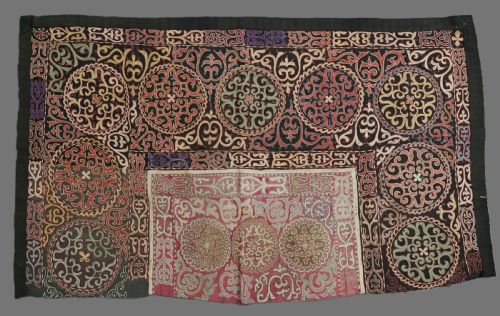


Antique Ethnic Wall Hanging
When you search for an antique ethnic wall hanging, you find textiles from Central Asia, Persia, and South Asia dating from the mid-nineteenth century to the early twentieth century.
Antique Ethnic Wall Hanging
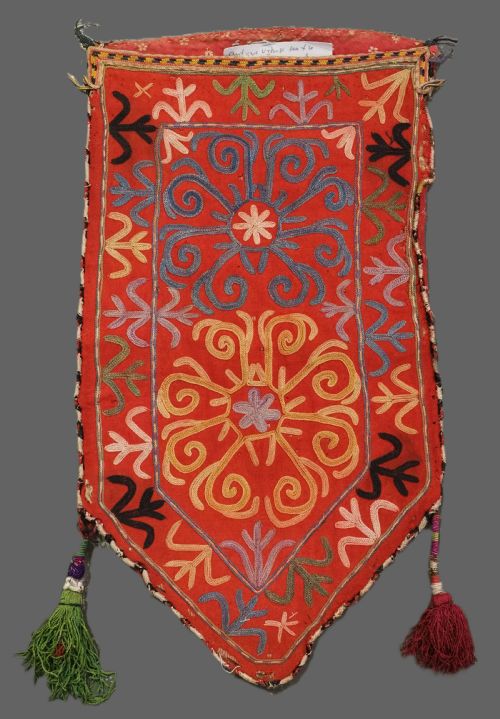
An antique ethnic wall hanging typically originates from Central Asian tribal traditions, including Uzbek, Turkmen, Kyrgyz, and Afghan regions. These textile panels serve domestic, ceremonial, or architectural roles within nomadic and settled communities.
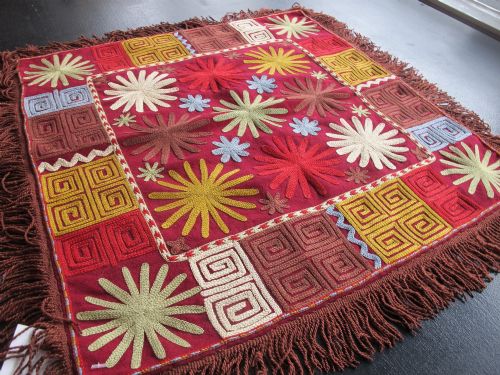
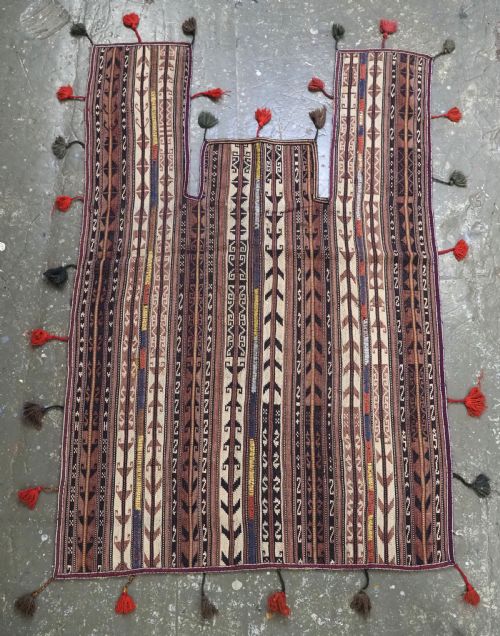
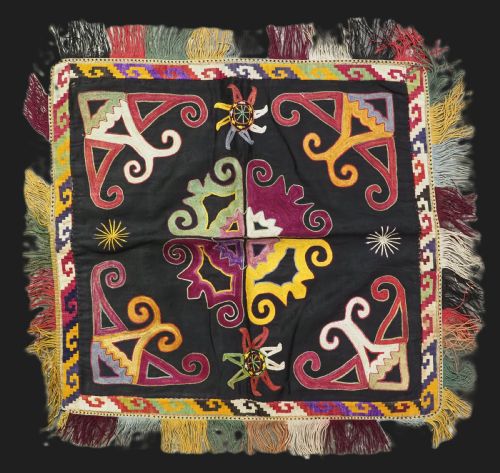
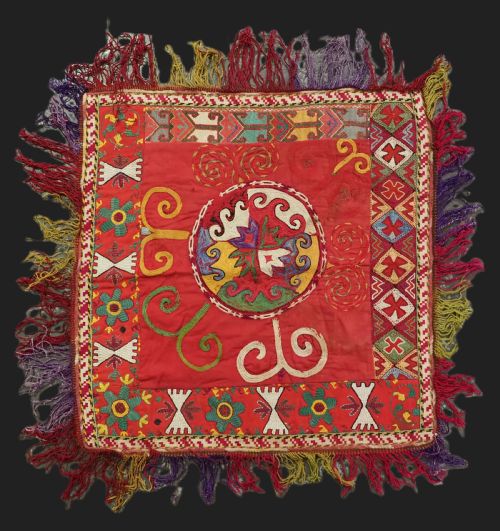
The most common forms on this page include dowry embroideries, prayer suzanis, yurt decorations, horse covers, and ikat fabric panels. Many pieces represent specific tribal groups such as the Lakai or Yomut, reflecting distinct regional patterns and textile techniques.
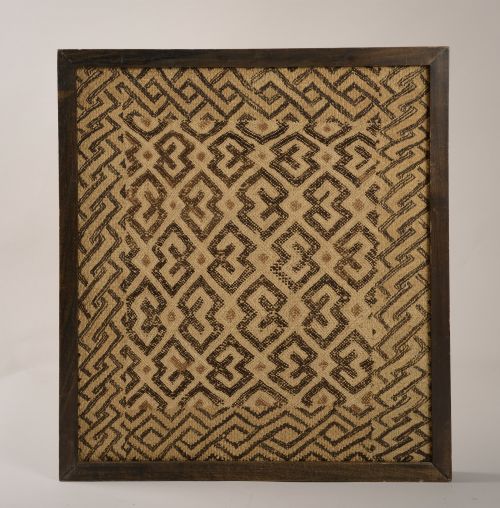
Makers fashioned these works using wool, cotton, and silk, often applying intricate embroidery or resist-dyeing methods. The resulting panels provide rich colour and graphic design suited for display in modern interiors.
How They Were Made
Artisans constructed these textiles using natural fibres such as cotton grounds, hand-spun wool, and silk thread. Embroiderers worked dense stitches onto woven foundations to create raised textures and bold pictorial motifs.
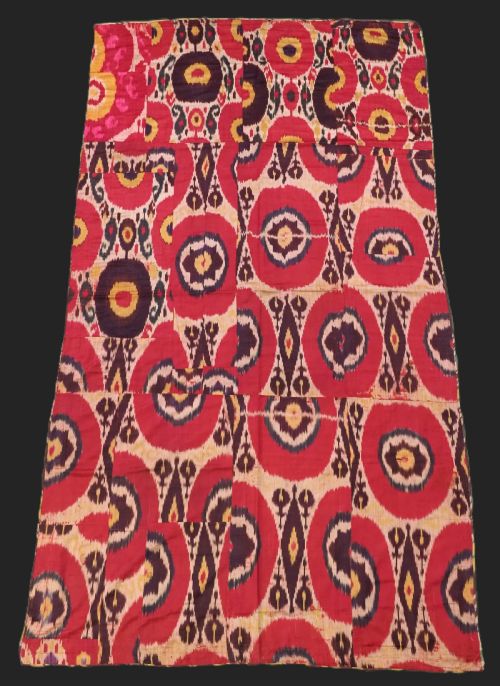
Weavers also utilised warp-faced ikat techniques, binding and dyeing silk yarns before weaving to produce characteristic blurred colour boundaries. Other examples incorporate flat-woven kilim panels and wool fringe details.
Nomadic horse blankets were embroidered so meticulously that the mounts must have felt like royalty walking through the Central Asian steppes.
What Varies in Quality
Quality rests on the density of the stitching and the complexity of the design layout. Finer examples display meticulous needlework and harmonious colour palettes that remain vibrant across the textile surface.
The integrity of the original ground material and the precision of tribal motifs dictate the standing of a piece. Earlier works from the mid-nineteenth century often show superior dyestuffs and intricate composition compared to later productions.
The Antique Ethnic Wall Hanging Glossary
- Suzani
- An embroidered textile panel originating from Central Asia, traditionally made by brides as part of their dowry. These pieces feature silk embroidery on cotton or linen grounds.
- Ikat
- A dyeing technique where yarns are tie-dyed before weaving to create intricate patterns with characteristic feathered edges. Silk ikat panels are common in Uzbek textile traditions.
- Ilgich
- A specific type of embroidery produced by the Lakai Uzbek tribes, often used for wall hanging or domestic decoration. These works display energetic geometric and floral motifs.
- Torba
- A small ceremonial bag or trapping made by Turkmen and Central Asian nomads. They were frequently hung inside tents or used during tribal rituals.
- Kilim
- A flat-woven carpet or textile panel lacking a pile, produced across Central Asia and the Middle East. They utilise slit-weave techniques to form sharp geometric patterns.
Antique Ethnic Wall Hanging: Frequently Asked Questions
How were these wall hangings originally used?
Nomadic and settled communities utilised these textiles to decorate yurt interiors, mark dowries, or serve as ceremonial coverings. Many items functioned as bed decorations or horse blankets before transitioning to decorative wall panels.
Over time, families displayed them during significant cultural events, reflecting status and tribal identity within regions such as Uzbekistan, Turkmenistan, and Kyrgyzstan.
What materials do these textiles contain?
The pieces rely primarily on natural fibres including cotton, wool, hand-spun wool, and silk. Artisans embroidered with silk thread onto cotton grounds or wove entirely from dyed wool yarns.
Additional elements like wool fringe or wooden mounting components appear occasionally, depending on whether the object began as a horse cover, tent band, or flat panel.
How do I care for an antique textile?
Protect the fabric by keeping it away from direct sunlight, which fades natural silk and wool dyes over time. Support the weight evenly if mounting the textile on a wall to prevent strain on fragile historical fibres.
Professional textile conservators should handle any cleaning or restoration work to preserve the structural integrity of the delicate embroidery and base materials.
How can I tell regions apart?
Regional styles appear through distinct colour choices, motifs, and stitching techniques. Uzbek suzanis often feature bold floral sprays on yellow or white cotton grounds, while Lakai pieces display dynamic, smaller geometric embroidery.
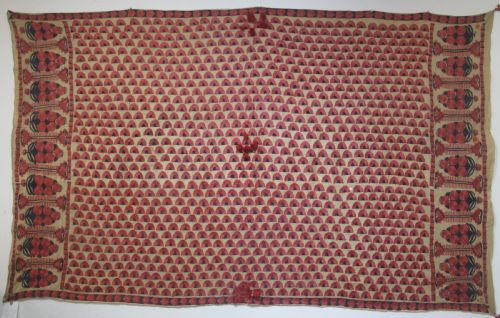
Turkmen and Afghan works frequently incorporate deep reds, rich wool grounds, and structured tribal guls or repeating medallion patterns.