



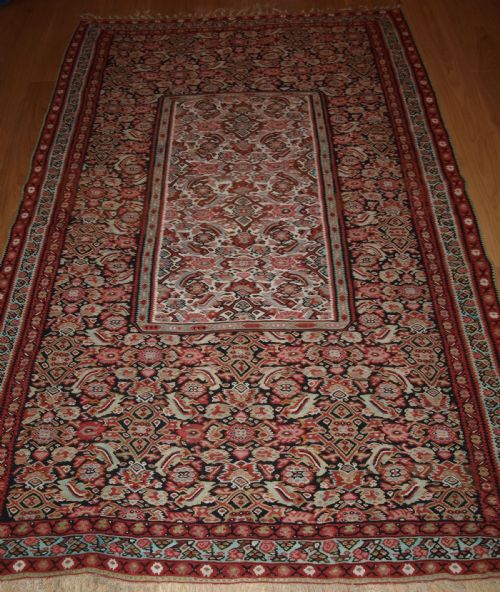
Antique Ethnic Area Rug
An antique ethnic area rug brings nomadic artistry and enduring wool construction straight to the floor.
Antique Ethnic Area Rug
An antique ethnic area rug represents centuries of tribal and nomadic weaving traditions originating from Persian, Kurdish, Tibetan, Caucasian, and Anatolian regions. These floor coverings bridge daily utility and folk art through distinct regional patterns and symbols.
The versions most commonly met on this page span the early decades of the twentieth century, specifically from nineteen hundred through nineteen thirty. They arrive in formats ranging from small meditation rugs and long runners to substantial kelims and family carpets.
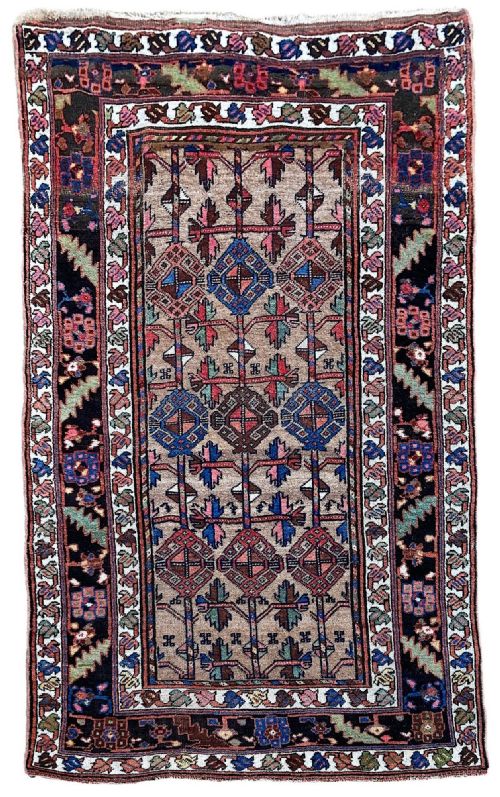
Makers utilise traditional formats such as repeat medallions, cloud bands, and prayer designs to establish cultural identity. Each piece reflects the specific heritage of the weavers who knotted or flat-woven them by hand.
How they were made
Weavers construct these textiles primarily using hand-spun wool, standard wool, and cotton foundations, occasionally incorporating goat hair for added structural resilience. Tibetan wool and resilient cotton provide the tactile density observed in these historical pieces.
The production technique divides sharply between pile carpets, which utilise knotted construction, and flat-woven kelims created without a pile. Both methods rely on natural dyeing traditions to produce soft or deep colour palettes that endure across generations.
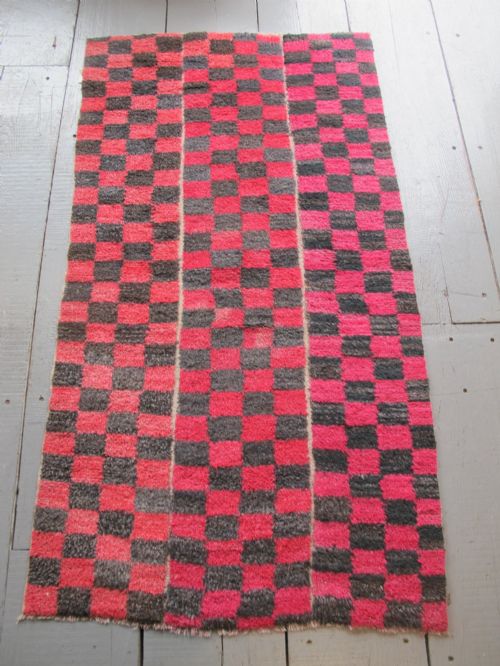
Tibetan meditation rugs include compact formats specifically designed for floor seating during quiet contemplation.
What varies in quality
Quality separates along the precision of the weave and the scarcity of the design, distinguishing standard tribal work from exceptional regional examples. Finer knot density or tighter flat-weave construction yields greater durability and clearer motif definition.
The depth and preservation of the natural colours also dictate worth, as well-maintained vegetable dyes retain vibrancy where lesser dyes fade unevenly. Furthermore, scarce patterns such as specific Chondoresk or meditation formats command greater attention from collectors.
The Antique Ethnic Area Rug Glossary
- Kelim
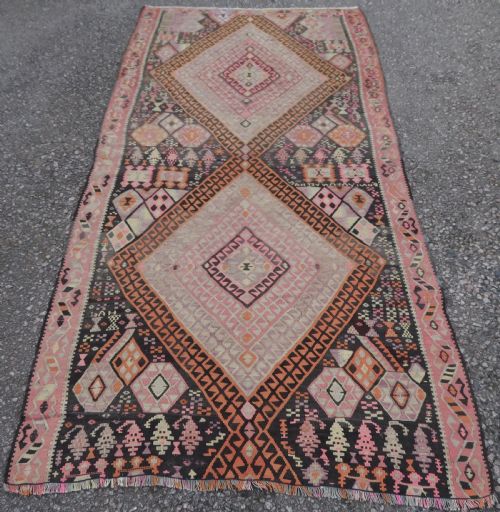
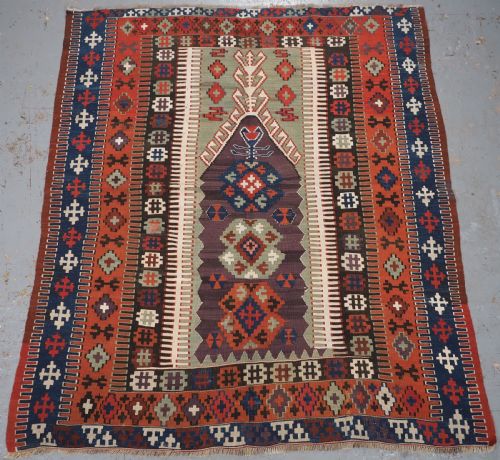
- A flat-woven carpet produced without a pile, traditionally utilised across Anatolia and the Balkans. These textiles rely on warp and weft interlacing to form geometric designs.
- Medallion
- A central decorative motif placed symmetrically in the field of the rug. It serves as the visual anchor for tribal and regional compositions.
- Kelleh
- A large format rectangular rug traditionally longer than a standard carpet but narrower in proportion. This shape suits gallery spaces and long corridors.
- Prayer rug
- A small textile featuring a mihrab or arch design indicating the direction of prayer. Weavers reserve specific motifs for these devotional pieces.
- Cloud band
- A curved ribbon-like motif borrowed from Chinese art and integrated into Caucasian and Persian tribal weaving. It symbolises celestial movement and longevity.
Antique Ethnic Area Rug: Frequently Asked Questions
Where were these rugs made?
These textiles originate from tribal and nomadic regions across Persia, Kurdistan, Tibet, the Caucasus, Anatolia, and the Balkans. Weavers in these areas maintained distinct local weaving traditions.
Each region developed specific wool types, dyeing methods, and geometric motifs that identify the geographic source of the rug.
How do I care for an antique wool rug?
Protect the textile by placing it in low-moisture areas away from direct, harsh sunlight to preserve the natural wool fibres and dyes. Gentle vacuuming without a beater bar prevents the accumulation of damaging grit.
Professional cleaning tailored for antique wool ensures the structural integrity remains undisturbed over decades of domestic use.
What is the difference between a kelim and a pile rug?
A kelim is flat-woven without any raised pile, resulting in a lighter, reversible textile with sharp geometric pattern edges. Pile rugs feature individual knots tied to a foundation warp and weft, creating a plush surface texture.
Both styles utilise hand-spun wool and cotton, but their production techniques and surface tactile qualities differ completely.
How do I date an antique tribal rug?
Dating relies on material analysis, structural examination, and stylistic comparison with documented regional pieces from periods such as nineteen hundred to nineteen thirty. Natural dye palettes and hand-spun wool characteristics often point toward earlier production eras.
Expert assessment of knot structure and wear patterns confirms the approximate decade of origin.