





Antique Estate Cabinet
These antique estate cabinets are substantial pieces built to organise papers and household stores, offering heavy timber construction and practical compartments.
Antique Estate Cabinet
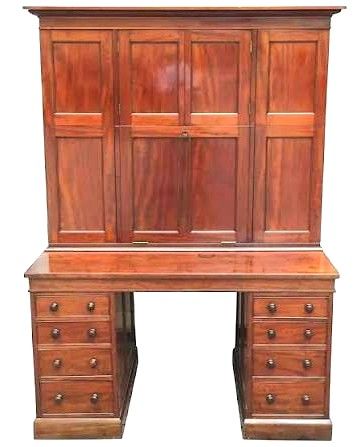
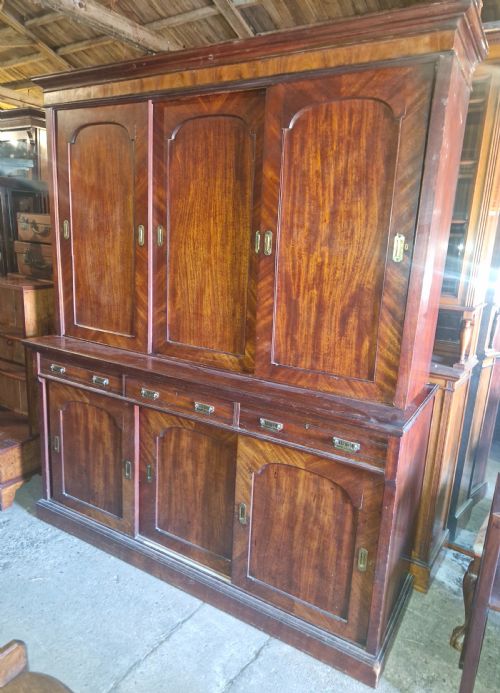
An antique estate cabinet serves as a heavy-duty storage piece for offices, country houses and administrative rooms, often taking the form of a desk cabinet, press, or housekeeper's cupboard. Buyers searching this phrase encounter large timber carcases designed to hold papers, ledgers and household provisions securely.
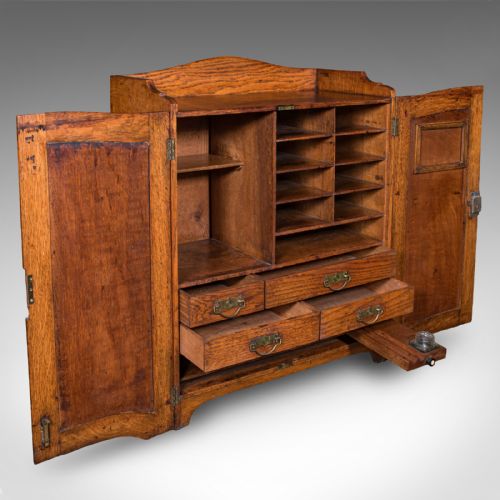
The versions most commonly met on this page span the Georgian and Victorian eras, alongside pieces dated around 1900. These items frequently incorporate internal drawers, pigeonholes and fitted writing surfaces behind panelled doors.
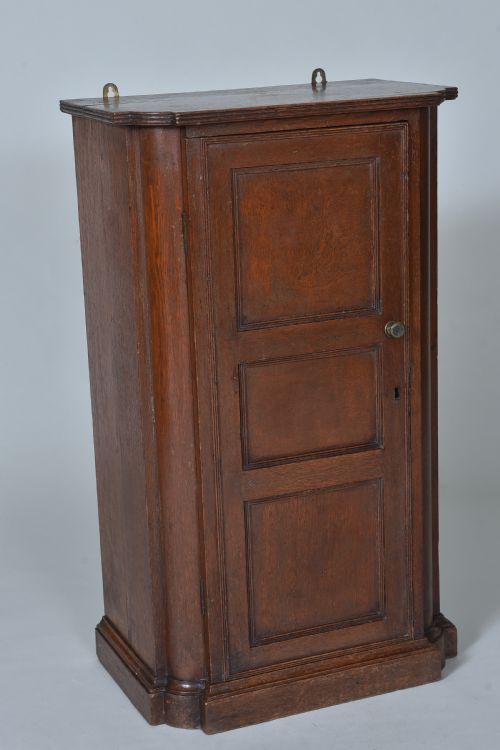
Regional variations appear across the selection, including Scottish clerk's cupboards and English country house press cupboards. Forms range from narrow wall cupboards to massive freestanding bookcases and secretaire combinations.
Materials and construction
Cabinetmakers built these pieces using solid hardwoods like oak and walnut, alongside mahogany and figured flame mahogany veneers. Timber selection prioritized durability and visual grain pattern, particularly on primary display surfaces and panelled doors.
Construction methods rely on traditional joinery to support heavy loads of books and ledgers within domestic or office environments. Functional hardware such as brass handles, escutcheons and gilded lettering frequently complement the timber bodies.
Antique Estate Cabinet Retail Price Guide 2026
Typical asking prices for estate cabinet among the pieces listed under this phrase on Sellingantiques today, from the lower quarter to the upper quarter. They describe what is for sale here now, not the wider market.
The listings feature oak, mahogany, walnut, and pollard oak across Georgian and Victorian periods.
Judging the standard
Quality rests upon the selection of timber veneers, such as flame mahogany or pollard oak, and the crispness of the internal fittings like pigeonholes and secretaire drawers. Finer examples display meticulous joinery and integrated architectural details that elevate them beyond utility furniture.
The presence of original hardware, working locks and unaltered internal configurations distinguishes better-surviving items. Makers' attribution, such as work associated with Gillows, adds a layer of distinction to the construction.
Gillows
The Antique Estate Cabinet Glossary
- Secretaire cabinet
- A piece featuring a pull-down writing flap that conceals a collection of small drawers and pigeonholes. This design combines writing facilities with enclosed storage.
- Press cupboard
- A large storage unit typically featuring upper shelving enclosed by doors and lower drawers or sliding trays. It was traditionally used for linen or administrative storage.
- Flame mahogany
- A wood veneer cut from the branch junction of the mahogany tree to create a distinctive, fiery ripple pattern. It is prized for decorative cabinet fronts.
- Pollard oak
- Timber taken from oak trees that have been pollarded, producing a dense, knotty grain with rich figuring. It appears on mid-nineteenth-century collectors and estate pieces.
- Housekeeper's cupboard
- A large utilitarian storage piece designed for domestic organisation in large estates. These units often feature central banks of drawers flanked or surmounted by cupboards.
Antique Estate Cabinet: Frequently Asked Questions
What is an estate cabinet used for?
These cabinets served administrative and domestic functions on large properties, storing important papers, ledgers, and household supplies.
They were placed in estate offices, reception halls, and studies to keep records secure and organised.
How do I date an antique estate cabinet?
Dating relies on timber choices, construction techniques, and stylistic markers associated with the Georgian and Victorian periods.
Details like brass hardware, drawer linings, and overall proportions help place a piece within the eighteenth or nineteenth centuries.
Where were estate cabinets placed?
They originated in the working rooms of large British country houses, rectories, and estate management offices.
Today, they suit home studies, living rooms, and hallways where substantial storage and traditional character are required.
What timber is most common?
Oak and mahogany dominate the selection, often complemented by walnut and figured veneers like flame mahogany or pollard oak.
These hardwoods provided the structural strength needed for heavy daily use in busy estate environments.