


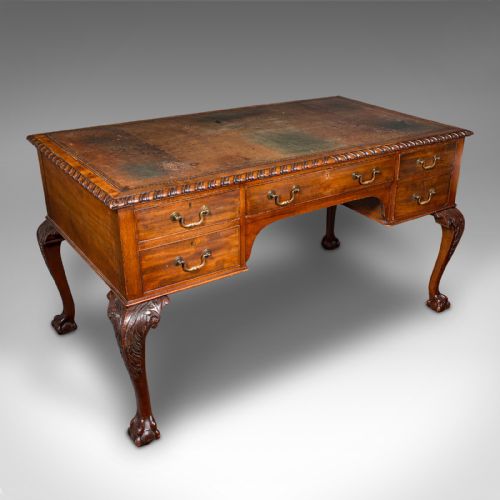


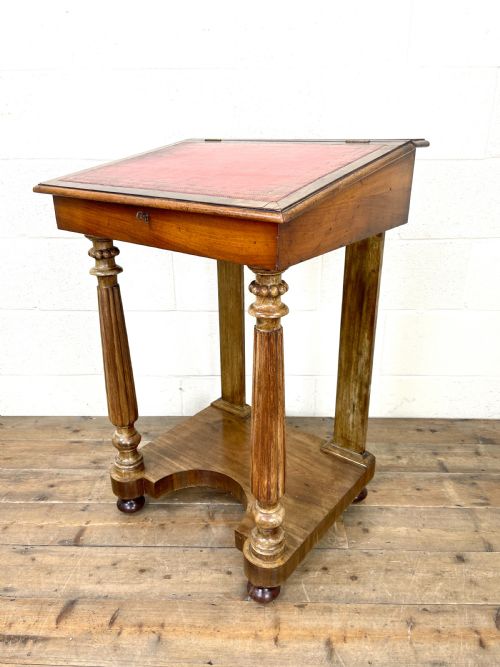

Table Top Clerks Desk
These table top clerks desk examples are compact writing pieces built for serious work, offering practical surface space and tidy storage for your study.
Table Top Clerks Desk
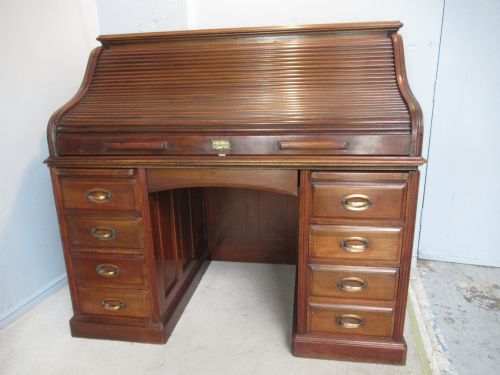
When you search for a table top clerks desk, you meet practical writing furniture spanning the Georgian, Victorian and Edwardian eras. These pieces arrive in solid oak, mahogany, walnut and burr walnut, often featuring fitted internal drawers and slanted writing surfaces.
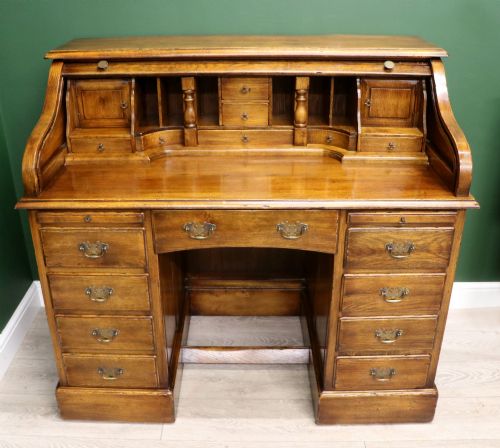
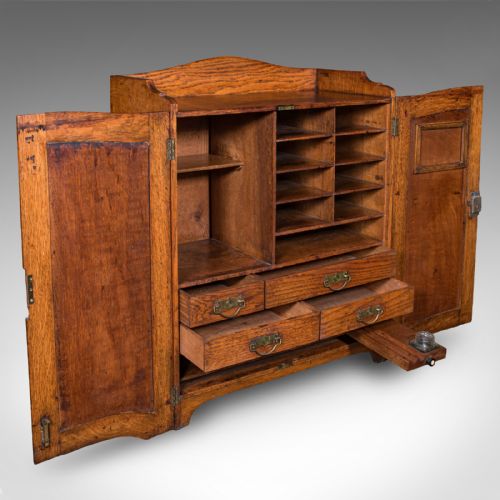
The selections on this page lean heavily towards Victorian and Edwardian examples, alongside older 18th-century forms such as oak Bible boxes and country house estate pieces. You will find items ranging from compact desk cabinets to larger Dickens styles and kneehole variations.
Originating as utilitarian workspaces for offices, estates and ecclesiastical settings, these items suit modern home studies where surface space is at a premium. They combine traditional craftsmanship with functional compartments for letters and papers.
How they were made
Cabinet makers constructed these desks using dense hardwoods such as oak, mahogany and walnut, frequently selecting burr walnut for decorative surfaces. Timber selection governed the durability and visual weight of each piece.
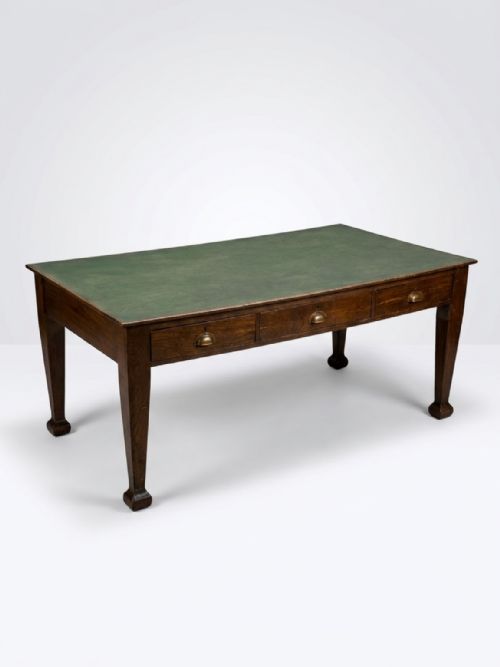
Working surfaces often incorporate inset leather writing panels, sometimes complemented by brass hardware, iron fittings and carved friezes. Internal compartments utilised smaller drawer construction to organise documents efficiently.
Listings span the 18th century, Georgian, Victorian, and Edwardian periods, utilising oak, mahogany, walnut, burr walnut, brass, leather, and iron.
What varies in quality
The distinction between standard utility items and finer examples lies in the choice of timber and the precision of the joinery. Superior pieces display carefully figured wood grains, such as burr walnut, and harmonious proportions.
Internal arrangement and secondary woods also separate workshops, with better examples offering well-fitted internal drawers and neat secret compartments. Original leather writing surfaces and intact brass or iron fittings elevate the standing of a desk.
Heal And Sons
The Table Top Clerks Desk Glossary
- Bible box
- A small wooden box with a sloping lid, historically used to hold large books and writing materials. These portable containers represent early predecessors to larger desk forms.
- Kneehole desk
- A pedestal desk featuring a central recess for the user's legs, flanked by banks of drawers. This configuration became popular during the Georgian and Victorian periods.
- Dickens desk
- A large double-sided pedestal desk featuring a sloped writing surface above banks of drawers, often topped with a stationary cabinet. These pieces provide ample pigeonhole storage.
- Gallery back
- A raised wooden or brass rail along the rear edge of a desk top to prevent items from sliding off. Edwardian and Victorian writers utilised this feature to keep papers secure.
Table Top Clerks Desk: Frequently Asked Questions
What is a table top clerks desk?
A table top clerks desk is a compact writing box or cabinet designed to sit upon an existing table or surface. These pieces provide a sloping writing area and internal compartments for storing documents.
Originating in offices and institutions during the 18th and 19th centuries, they offer a practical writing space without occupying the floor area of a full pedestal desk.
How do I date an antique desk?
Dating involves examining the timber species, construction methods, and hardware styling. Earlier 18th-century pieces often display hand-cut dovetails and solid oak construction, whereas Victorian examples frequently utilise mahogany or walnut with machine-sawn elements.
Hardware such as brass handles and hinges also shifts in design across the Georgian, Victorian and Edwardian eras, offering reliable clues to a piece's origin.
What woods were used for clerks desks?
Cabinet makers predominantly used native and imported hardwoods including oak, mahogany, walnut and burr walnut. Oak appears frequently in earlier Bible boxes and utility pieces, while mahogany and walnut dominate the Victorian selection.
Secondary timbers inside drawers often include pine or oak, depending on the workshop and the overall quality of the furniture.
How should I clean a leather desk top?
Leather writing surfaces require gentle cleaning using a damp cloth without harsh chemical detergents. Applying a specialised leather cream helps maintain suppleness and prevents the material from drying out over time.
Keep liquids away from the leather and polished wood surrounds to avoid water staining the historic finish.