



Antique Equine Picture
An antique equine picture captures the spirit of the horse through oil on canvas, watercolour, and print.
Antique Equine Picture
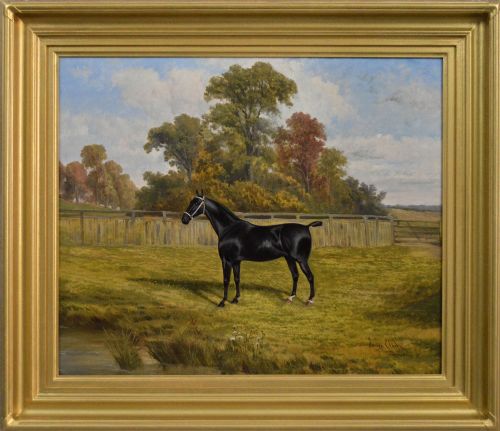
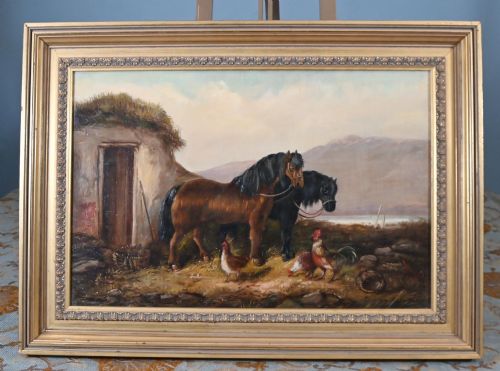
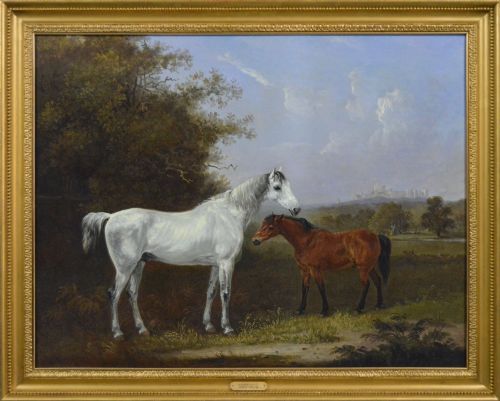
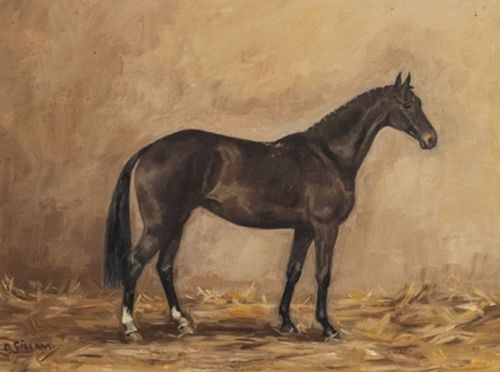
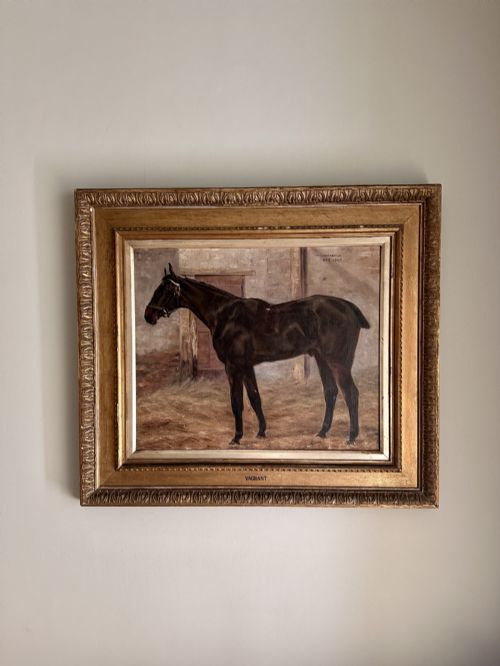
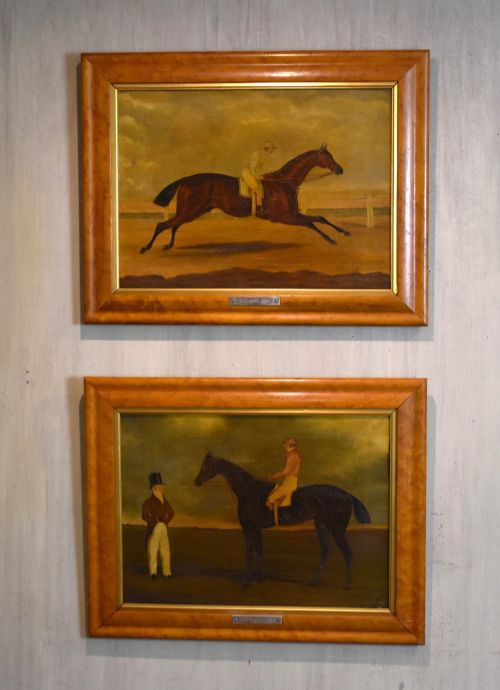
An antique equine picture brings historical depictions of horses into the modern home, spanning oil paintings, watercolours, and photographic prints. These works capture everything from solitary portraits of prize racehorses to bustling farmyard scenes and hunting landscapes.
The pieces on this page draw predominantly from the Victorian era and the nineteenth century, reflecting a period of profound artistic engagement with animals. Buyers will encounter works ranging from intimate watercolours on paper to substantial oil paintings in giltwood frames.
Subjects vary from specific named thoroughbreds with notable provenance to broader rural scenes featuring horses and grooms. Each piece offers a distinct window into past equestrian culture, executed through diverse historical styles including British Sporting Art and nineteenth-century romanticism.
Materials and Methods
Artists relied primarily on oil paint applied to canvas or wood panels to build rich, textured depictions of horse coats and landscapes. Watercolours on paper offered a lighter medium, frequently utilised for delicate studies of foals and rural harvest scenes.
Frames played an integral role in presentation, with giltwood surrounds commonly encasing the oil paintings to enhance their visual weight. Prints utilised historical reproduction techniques, capturing painted and photographic originals behind glass.
Antique Equine Picture Retail Price Guide 2026
Typical asking prices for equine picture among the pieces listed under this phrase on Sellingantiques today, from the lower quarter to the upper quarter. They describe what is for sale here now, not the wider market.
Listings feature works spanning the Georgian period, the nineteenth century, and mid-century sporting art, utilising canvas, paper, wood, and oil paint.
Assessing Quality
Quality rests in the anatomical accuracy of the horse and the handling of light within the landscape. Master artists achieved remarkable precision in musculature and expression, distinguishing fine art from simpler decorative representations.
Provenance and documentation elevate certain pieces, particularly those identifying specific historical horses, owners, or esteemed artists. The integrity of the original medium, whether well-preserved oil on canvas or untouched watercolour, further separates exceptional works from standard examples.
James Albert Clark·Edmund Bristow·Fred Fitzpatrick·John Frederick Herring Snr·John Ferneley Senior·Eugene Joseph Verboeckhoven·Helena Maguire·Clifton Tomson·Abraham Cooper RA·George Goodwin Kilburne·Walter Duncan
The Antique Equine Picture Glossary
- Canvas
- A heavy woven fabric stretched across a wooden frame to serve as a support for oil paintings.
- Giltwood
- Wood that has been treated with a thin layer of gold leaf, commonly found on traditional picture frames.
- Watercolour
- A paint consisting of pigment suspended in a water-based solution, typically applied to paper.
- Provenance
- The documented history of ownership of an artwork, establishing its authenticity and origin.
Antique Equine Picture: Frequently Asked Questions
What is an antique equine picture?
An antique equine picture is a historical artwork depicting horses, created through mediums such as oil on canvas, watercolour, or photographic print.
These works range from detailed portraits of named thoroughbreds to broader pastoral and hunting scenes from the nineteenth century and earlier.
How were these pictures displayed?
Many nineteenth-century oil paintings were housed in heavy giltwood frames designed to project status and complement period interiors.
Watercolours and prints were typically glazed and framed to protect the paper from environmental damage over time.
How do I date an equine painting?
Dating relies on stylistic clues, clothing of any human figures present, framing techniques, and signatures or inscriptions left by the artist.
Reference to specific historical events, such as named racehorses with known victory dates, also helps establish a precise timeline.
Where should I hang an equine artwork?
These works suit traditional study spaces, living rooms, or hallways where lighting can be controlled to prevent fading on canvases and watercolours.
Pairing the frame style with your existing interior decor helps integrate historical art into a modern room.