



Antique Equestrian Brass
These pieces of antique equestrian brass bring the weight and polish of the stable and the hunt straight into the modern room.
Antique Equestrian Brass
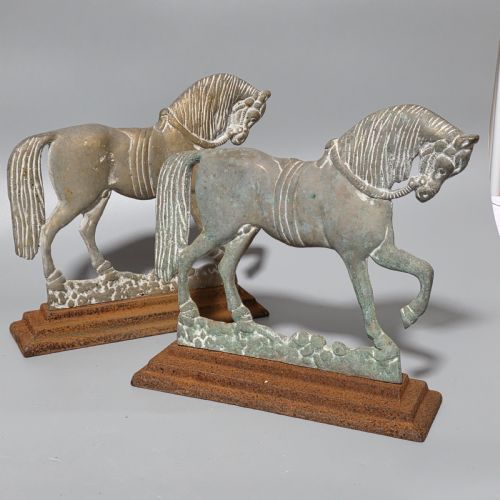
When you search for antique equestrian brass, you are looking at functional and decorative metalwork shaped by horses, hounds, and country pursuits. The pieces span utilitarian items like doorstops and boot jacks alongside desk accessories such as inkwells, letter racks, and seals.
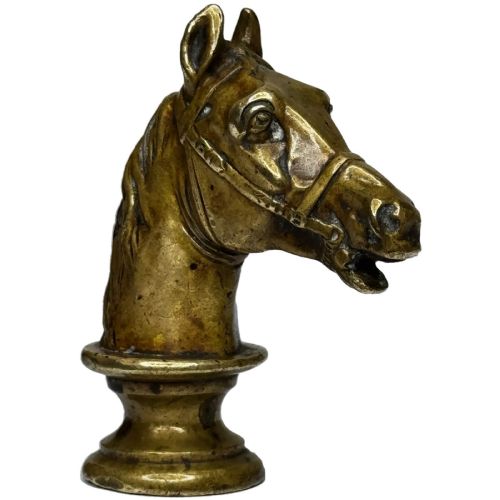
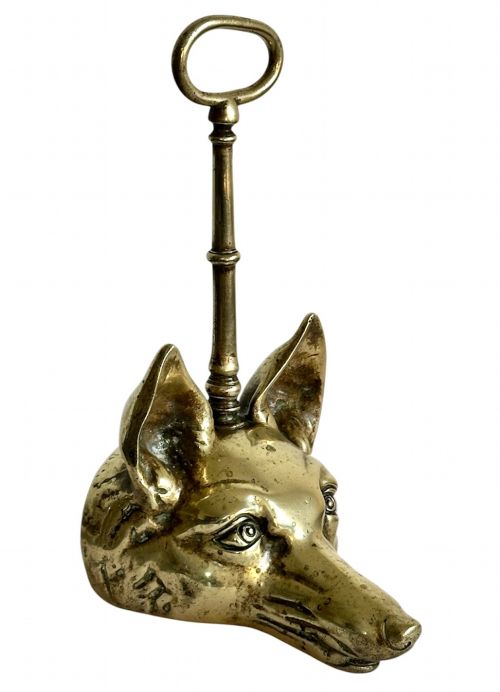
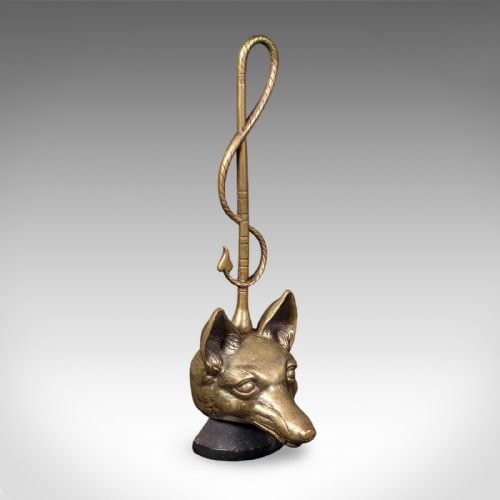
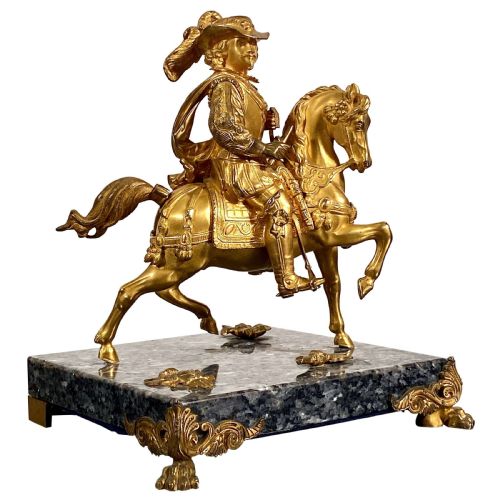
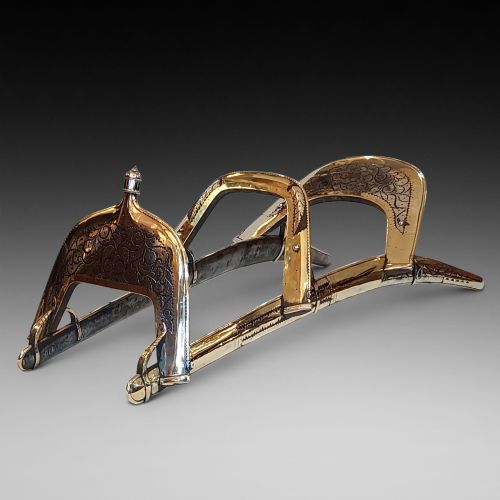
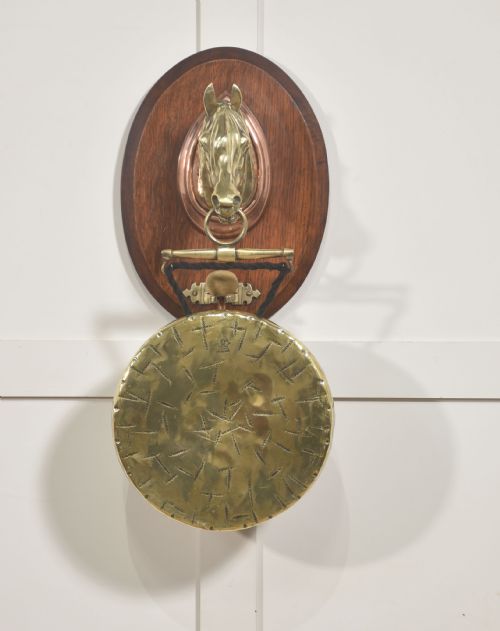
The version you are most likely to meet on this page is the Victorian heavy brass doorstop, often cast as a horse head or fox mask, alongside oak-mounted boot jacks and horseshoe mirrors. These objects trace their origins to Georgian and Victorian England, with occasional nineteenth-century continental bronze statuettes and French campaign items appearing among them.
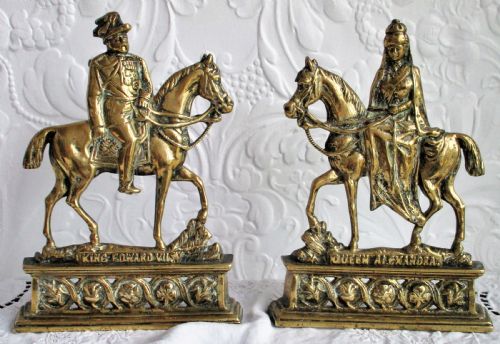
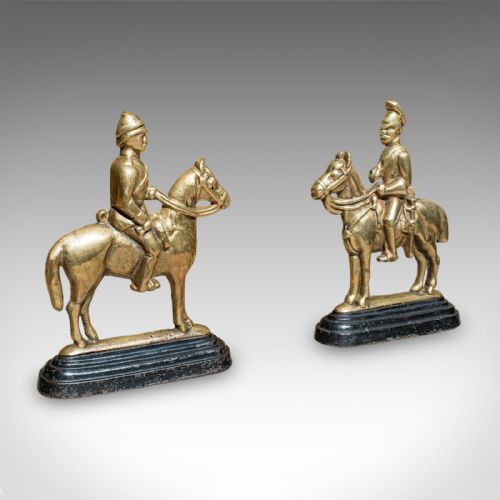
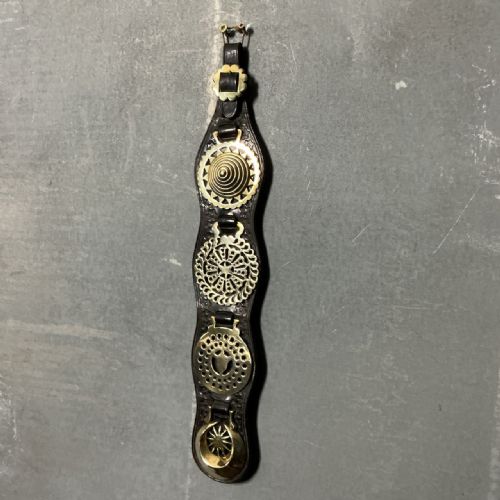
Beyond the heavy doorstops, the selection encompasses domestic and study items decorated with horse brass martingales, coaching horns, and jockey caps. They range from utilitarian camp gear to decorative mantel pieces meant for country house libraries and halls.
How they were made
The heavy items rely on traditional sand casting in brass, producing substantial forms with deep relief and considerable weight. Workers finished these surfaces through filing and polishing, occasionally combining the metal with cast iron for internal balance in doorstops.
Many items incorporate seasoned hardwoods like oak and mahogany, mounted with brass hooks, plates, and hinges secured by small iron or brass screws. Leather, copper, and glass appear as secondary materials in items like boot jacks, inkwells, and coaching horns, showing practical hand assembly suited to daily service.
Several heavy doorstops weigh enough to double as sturdy fitness weights if the horses ever run off.
What varies in quality
The weight and gauge of the metal dictate the character of the object, as thicker brass and heavier bronze impart a genuine heft absent in lighter reproductions. Furthermore, the originality of integrated fittings - such as genuine glass inkwells and intact mounting hooks - separates the best survivors from heavily altered examples.
W & T Avery
The Antique Equestrian Brass Glossary
- Doorstop
- A heavy object, frequently cast in brass, used to hold interior doors open against drafts. They often take the form of horses, foxes, or chimney ornaments.
- Martingale
- A strap running from the girth of a horse to the noseband, decorated here with mounted brass plaques known as horse brasses. These polished brass ornaments formed part of traditional harness work.
- Boot Jack
- A V-notched wooden device mounted with brass or leather, designed to pull riding boots off the foot without bending. They often feature folding campaign hooks or brass handles.
- Inkstand
- A desk accessory holding inkwells, sanders, and pen rests, frequently cast in the shape of jockey caps or horseshoes. They bring equestrian themes into nineteenth-century writing desks.
Antique Equestrian Brass: Frequently Asked Questions
What is antique equestrian brass?
Antique equestrian brass comprises metalwork, desk accessories, and door furniture produced during the eighteenth and nineteenth centuries, featuring horse, fox, and hound motifs.
These pieces reflect the deep influence of the hunt and carriage travel on everyday domestic and utilitarian objects of the period.
How were brass doorstops used?
Heavy brass doorstops were placed on floors inside country houses and town mansions to keep heavy interior doors from swinging shut in draughty hallways.
Their substantial weight, sometimes bolstered by iron cores, allowed them to anchor large doors firmly in place.
How do I date these pieces?
Dating relies on stylistic clues, casting methods, and accompanying materials such as period oak boards, hand-cut screws, and nineteenth-century registry marks.
Georgian examples tend to show finer armorial or intaglio detail, while Victorian pieces lean towards robust, heavy animal castings.
How do I clean antique brass?
Maintenance typically involves minimal dusting and preserving the natural dark patination built up over decades of handling.
Aggressive polishing removes historical depth, so collectors generally prefer to leave the surfaces untouched and mellow.