

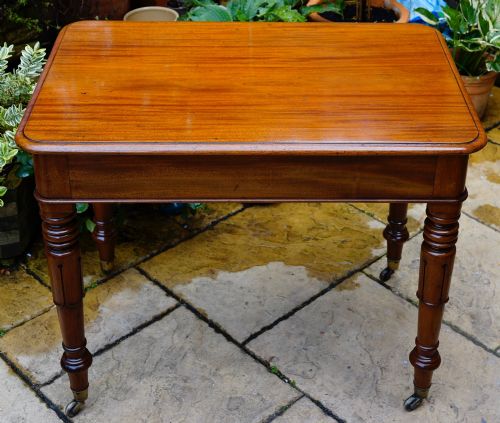
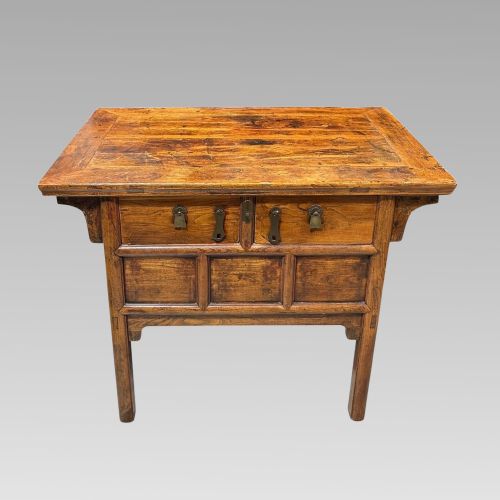
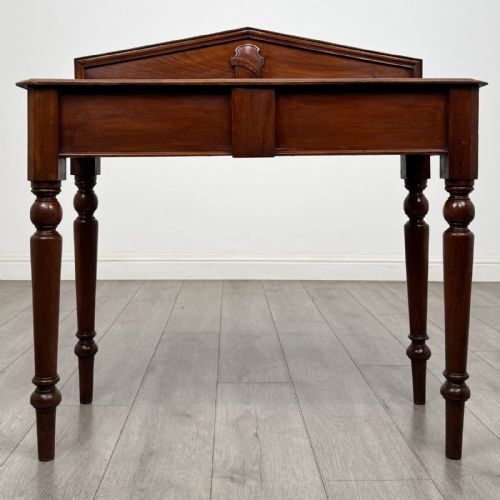
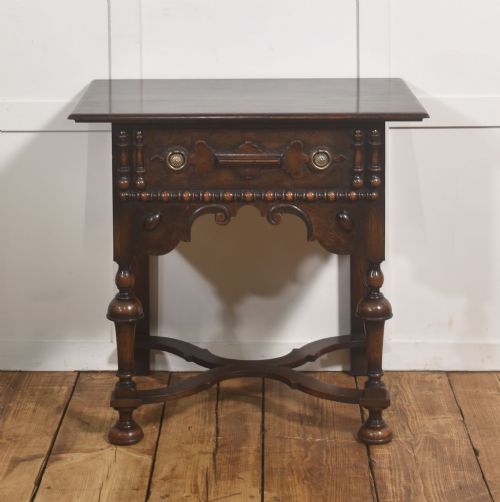
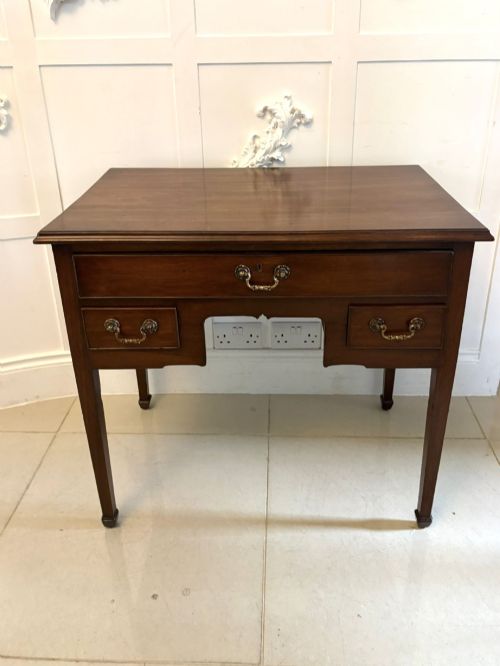
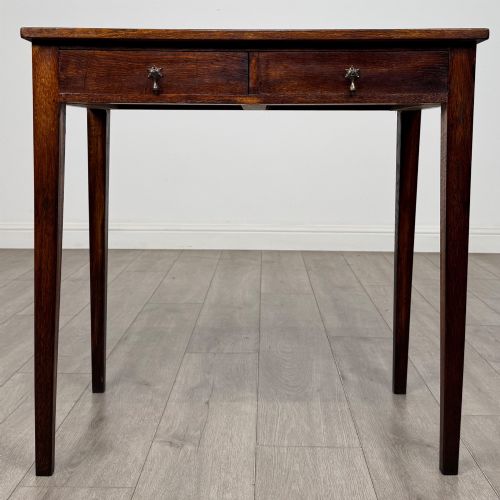
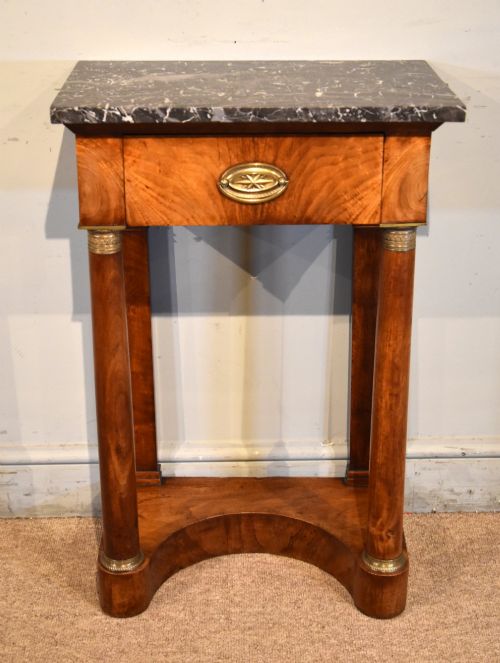
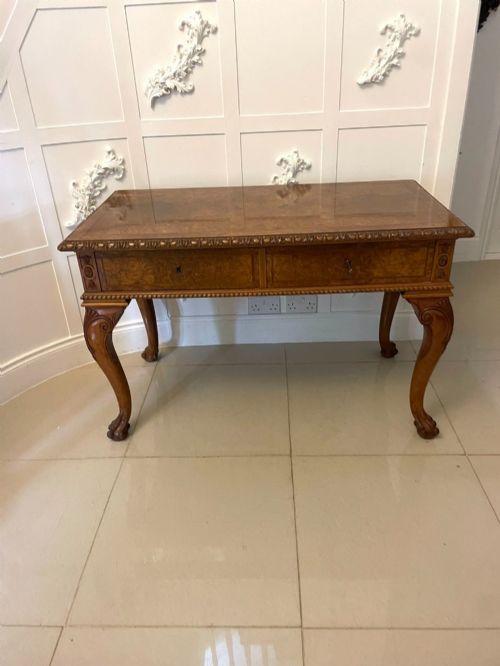
Antique Entry Hall Desk
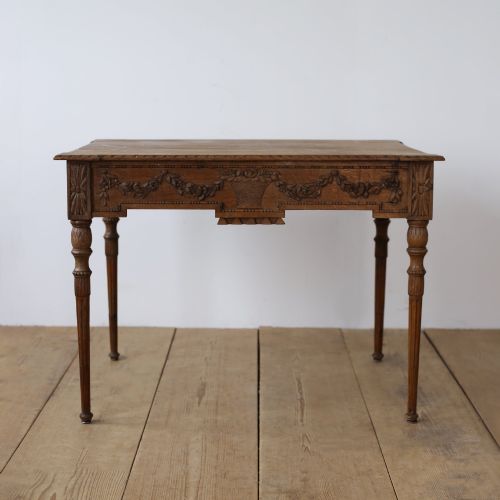
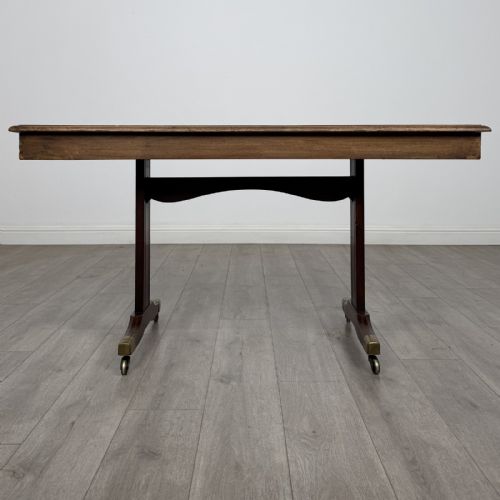
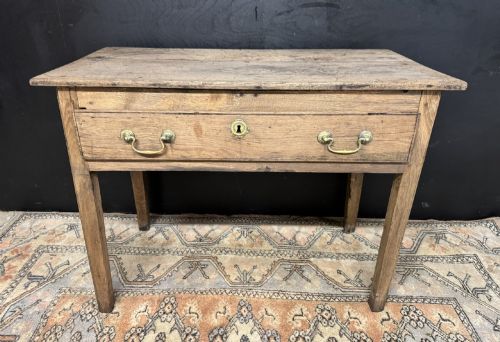
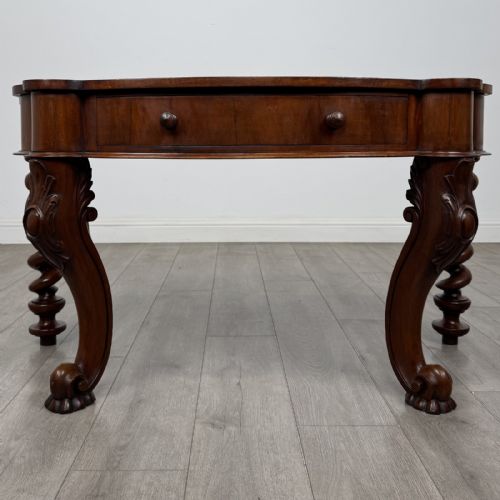
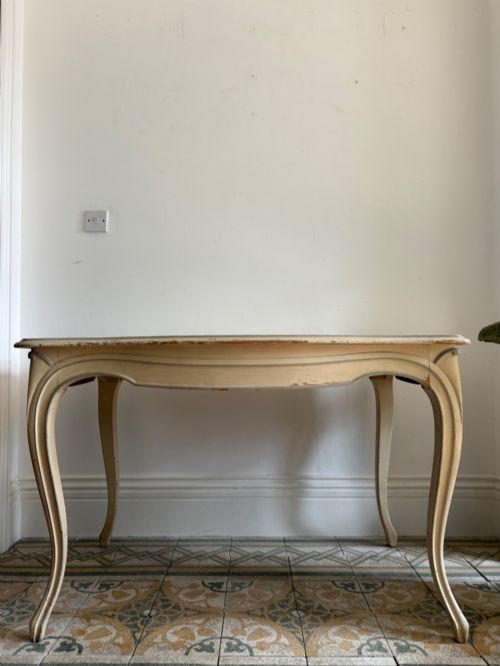
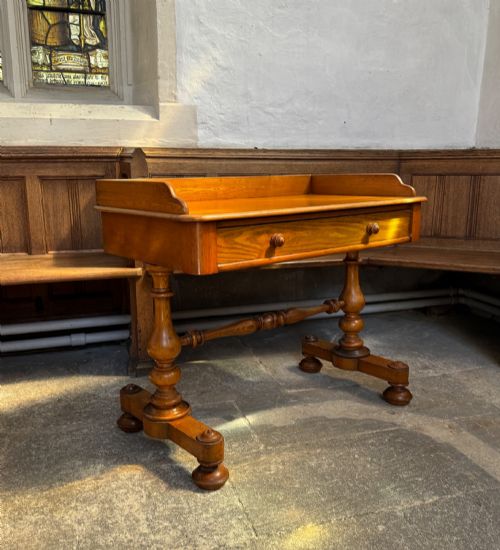
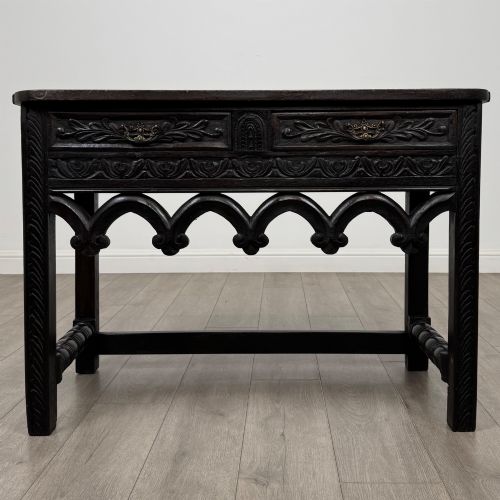
An antique entry hall desk typically manifests as a console or side table, anchoring a threshold with timber and utility.
Antique Entry Hall Desk
When a buyer seeks an antique entry hall desk, they encounter forms designated in the listings as console tables, side tables, centre tables, and lowboys. These pieces span the Georgian, Victorian, Edwardian, and 1920s periods, drawing on styles from Queen Anne Revival to French Empire and Victorian Gothic.
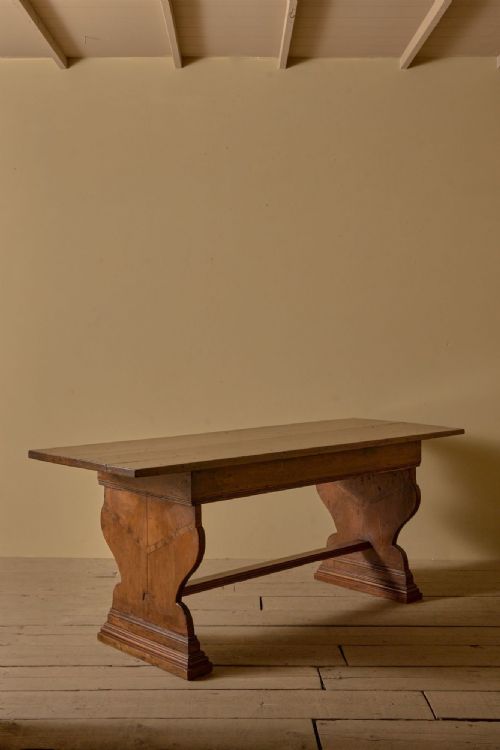
The version most likely to be met on this page is a mahogany or oak side or console table dating from the 19th century or the Edwardian era. These tables often incorporate single or multiple drawers, raised pediments, or trestle bases suitable for placement in a narrow passageway.
Origins range across British workshops, French provincial and empire cabinet makers, Italian studios, and Chinese export pieces in elm. Their primary function in an entrance hall is to provide a surface for correspondence and small effects upon arrival.
Materials and Construction
Cabinet makers constructed these tables predominantly from solid hardwoods such as mahogany, oak, and walnut, alongside decorative veneers like burr walnut and flame mahogany. Secondary timbers such as pine and elm appear in carcases and regional pieces.
Joinery techniques matched the period, utilising dovetailed drawer construction, mortise and tenon joints, and occasional brass castors or hardware for mobility. Surfaces received French polish, cream paint, or parquetry inlay depending on the stylistic demands of the workshop.
Antique Entry Hall Desk Retail Price Guide 2026
Typical asking prices for entry hall desk among the pieces listed under this phrase on Sellingantiques today, from the lower quarter to the upper quarter. They describe what is for sale here now, not the wider market.
Listings feature woods spanning mahogany, oak, walnut, burr walnut, elm, pine, and timber alongside brass hardware.
Evaluating Construction and Material Quality
Quality separates ordinary utility pieces from exceptional items through the selection of timber figures, such as highly figured burr walnut or flame mahogany veneers. Superior examples display crisp hand-carved details, such as cabriole legs or Gothic tracery, rather than mechanical repetition.
Structural integrity and original hardware dictate the standing of a piece within its period. Tables retaining period brass handles, uncompromised timber carcases, and maker labels command greater regard than those subjected to heavy structural alterations.
Fortnum and Mason·James Mein of Kelso·Maple and Co.·McKeon’s of Liverpool
The Antique Entry Hall Desk Glossary
- Console Table
- A table designed to stand against a wall, frequently secured to it or supported by front legs and rear brackets. They often feature decorative carving on the front apron.
- Lowboy
- A small eighteenth-century English table with one or more drawers, standing on relatively tall legs. They served variously as dressing tables or compact side tables in halls.
- Pediment
- A decorative upright architectural feature rising above the rear edge of a table top. In hall tables, this often incorporates a carved or panelled backboard.
- Parquetry
- Geometric mosaic woodwork used for decorative inlay on table tops. It relies on contrasting timber tones arranged in precise patterns.
- Trestle Base
- A support structure consisting of two or more upright frames connected by a horizontal beam. This design provides stability without bulky corner legs.
Antique Entry Hall Desk: Frequently Asked Questions
What is an antique entry hall desk used for?
These tables provide a compact surface in entranceways for placing post, keys, and lighting upon entering a home. Many incorporate drawers to keep small everyday items concealed.
Historically, they also served as functional writing surfaces or calling card stations in grander residences before mail delivery became decentralised.
How do I identify a Georgian hall table?
Georgian pieces typically exhibit clean architectural proportions, solid mahogany or oak construction, and restrained classical carving such as bracket feet or plain aprons. Drawer linings in these pieces are usually made from secondary hardwoods like oak or pine with hand-cut dovetails.
They lack the heavier ornamentation seen in later Victorian Gothic or Edwardian revivals, relying instead on the natural grain of the timber.
Can I use a console table as a desk?
Many console and side tables featuring drawers can accommodate occasional correspondence and laptop use, provided the knee clearance is sufficient. Their shallow depth makes them well-suited to rooms where a traditional bulky desk would obstruct movement.
Checking the height of the apron and drawers underneath ensures a comfortable seating posture if utilised in this manner.
How do I care for antique veneer?
Burr walnut and flame mahogany veneers require protection from direct sunlight and extreme humidity fluctuations to prevent warping or lifting. Dusting them regularly with a dry cloth and applying microcrystalline wax periodically preserves the finish without sealing moisture into the wood.
Avoiding placement near direct heat sources ensures the underlying animal glues remain stable over time.