

Antique English Slant Front Desk
An antique English slant front desk brings fitted pigeonholes, secret drawers and a hinged writing flap into a room.
Antique English Slant Front Desk
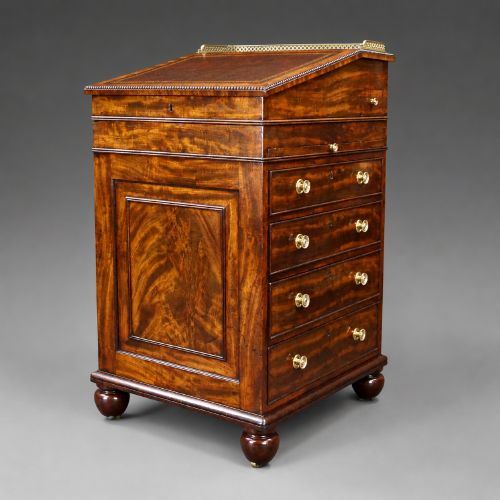
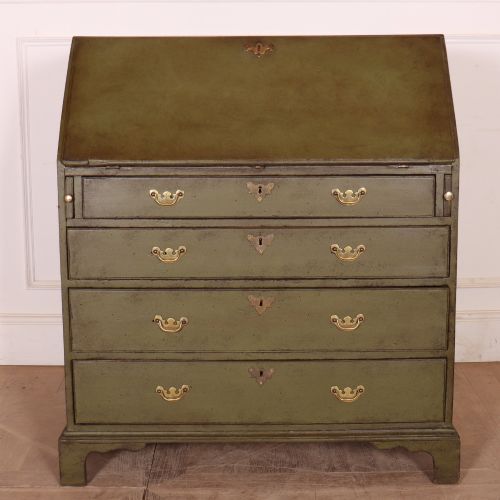
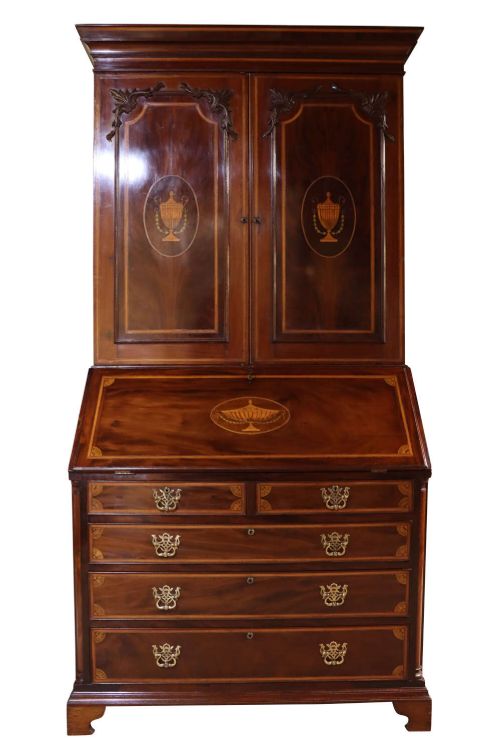
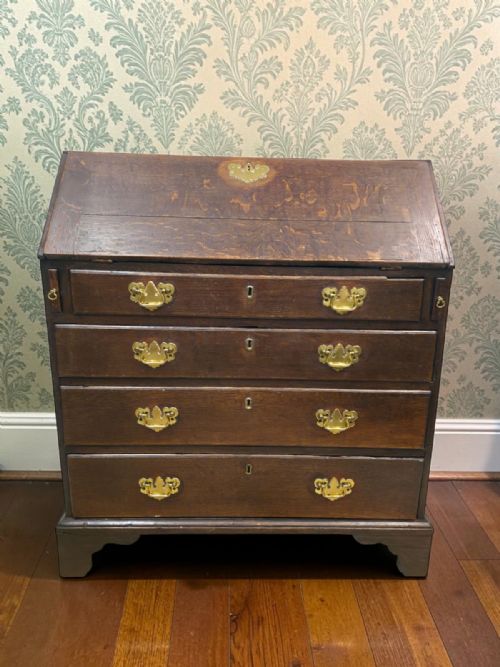
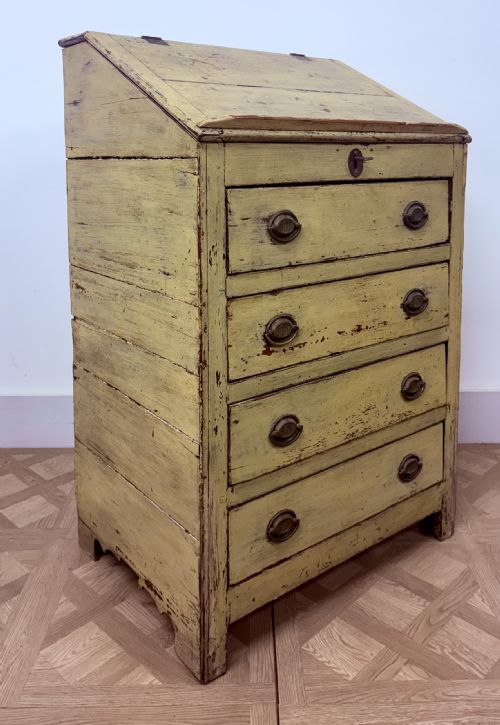
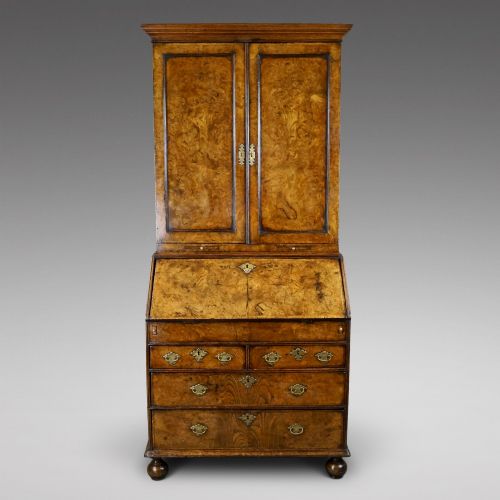
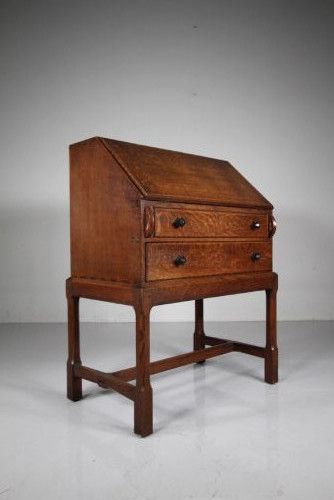
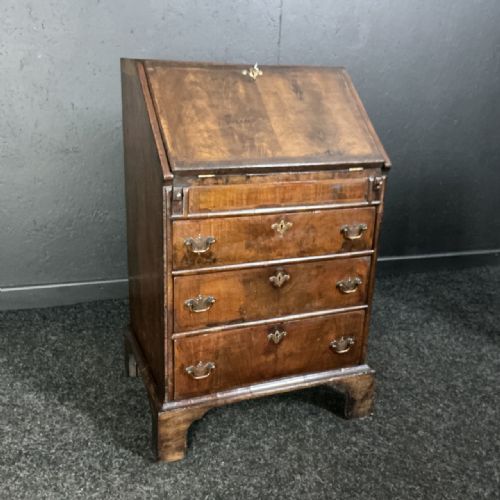
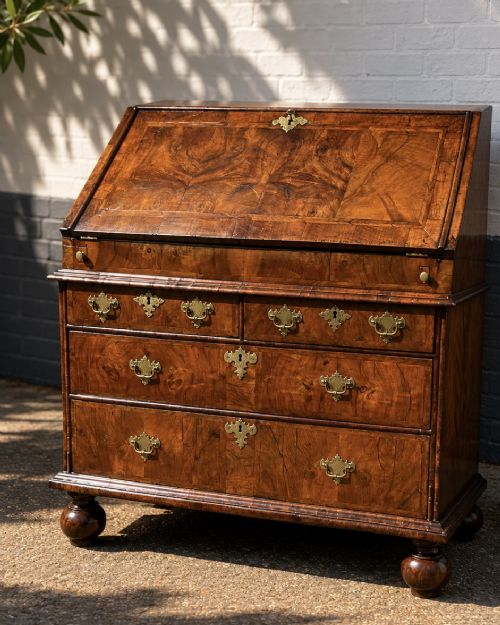
An antique English slant front desk is primarily a fall front writing bureau, often paired with upper bookcase cabinets or built as compact davenports. These pieces range from substantial 17th century oak examples to refined 18th century walnut and mahogany forms under Georgian rule.
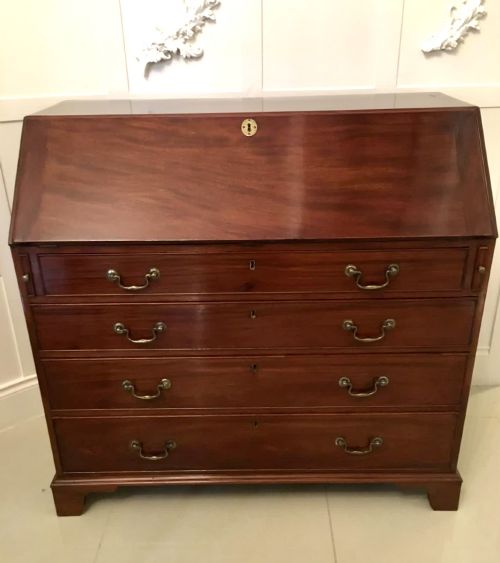
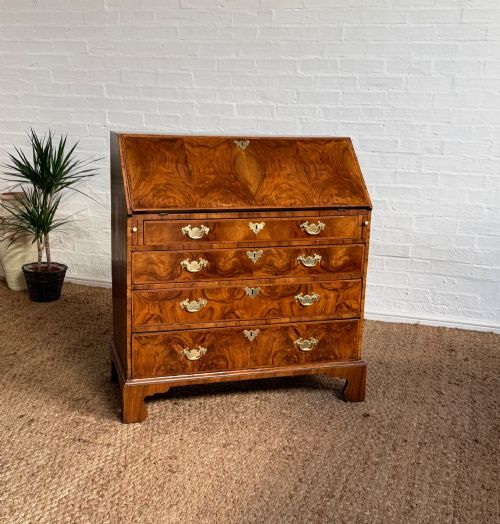
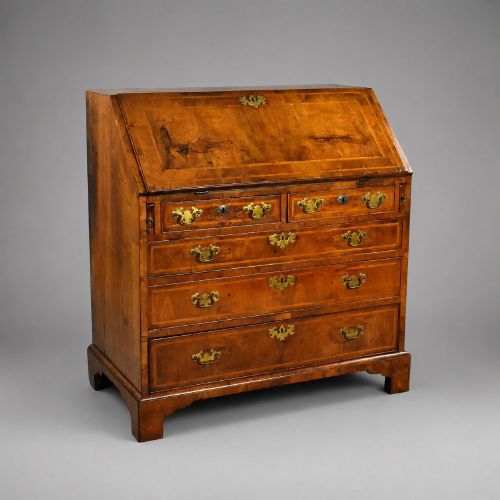
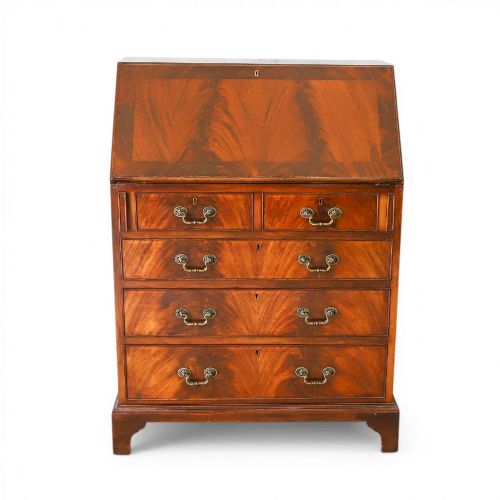
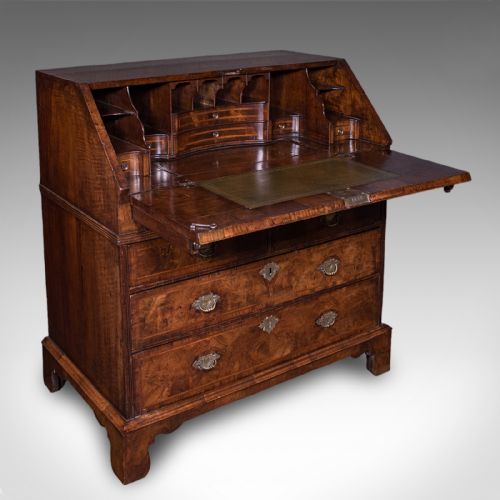
The version most frequently met on this page is the freestanding mahogany or walnut bureau featuring a sloping fall front that opens to reveal a fitted interior of small drawers and pigeonholes above lower chest drawers.
Materials and Construction
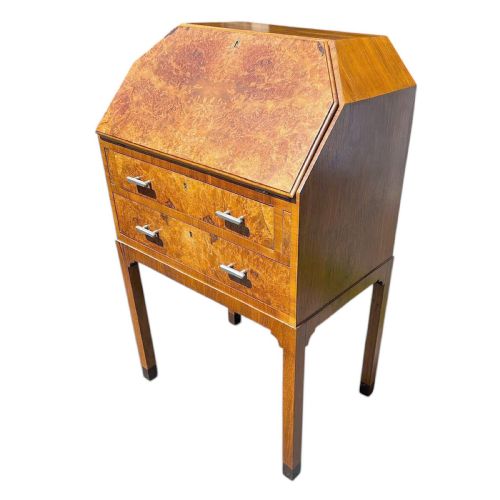
Cabinetmakers constructed these writing pieces using native timbers such as oak for early items, alongside rich veneers of walnut, burr walnut, flame mahogany, and occasional burr elm applied to deal or oak carcases.
Fitted interiors utilise solid secondary woods like oak or pine for drawer linings, supplemented by brass hardware such as escutcheons and handles, and occasionally inset leather writing surfaces.
Secret drawers hidden behind removable pigeonholes reward curious owners with miniature compartments built for storing hidden letters and small valuables.
Markers of Distinction
The hierarchy of quality rests upon the selection of timber veneers, such as figured walnut or flame mahogany, and the architectural complexity of the fitted interior compartments.
Integration of original brasses, patination on timber surfaces, and the crispness of cabinet joinery distinguish exceptional examples from standard provincial work.
Gillows·Stanley Webb Davies
The Antique English Slant Front Desk Glossary
- Fall front
- The hinged writing flap that pulls down from a sloped or vertical position to form a desk surface. It conceals the internal compartments when closed.
- Bureau bookcase
- A two-part cabinet combining a slant front writing desk base with an upper glazed or paneled shelving section for books. These taller pieces dominate larger reception rooms.
- Davenport
- A compact form of small desk featuring a sloping top writing surface and drawers opening to the side. It gained popularity during the Regency and Victorian periods.
- Pigeonhole
- A small, open rectangular compartment within the fitted interior of a desk used for sorting letters and papers. These often hide secret drawers behind them.
- Escutcheon
- A protective brass plate surrounding a keyhole on a drawer front or fall flap. It prevents the surrounding wood from wearing down through repeated use.
Antique English Slant Front Desk: Frequently Asked Questions
How do I use a slant front desk?
Lower the hinged writing flap to reveal the interior desk space and pigeonholes for correspondence.
Store writing materials inside the internal drawers and keep the sloping flap closed when the desk is not in use.
Where should I place an antique desk?
Position the piece against a sturdy wall in a study or living room where natural light falls across the writing surface.
Keep wooden furniture away from direct heat sources and strong sunlight to prevent timber shrinkage and fading.
How do I tell walnut pieces from mahogany?
Walnut timber typically shows rich brown grain patterns with darker figuring, prevalent in pieces from the late 17th century through the Georgian period.
Mahogany exhibits a reddish-brown tone with straight or flame grain characteristics, becoming common in cabinetmaking from the mid 18th century onward.
What is a Davenport desk?
A Davenport is a small, upright desk featuring a sloping writing flap and side-opening drawers rather than traditional front chests.
Originating in the Regency era, these compact pieces suit smaller spaces while providing internal storage.