



Antique English Silver Service
An antique english silver service brings traditional craftsmanship to the table, offering practical elegance for serving tea, coffee, and dining accompaniments.
Antique English Silver Service
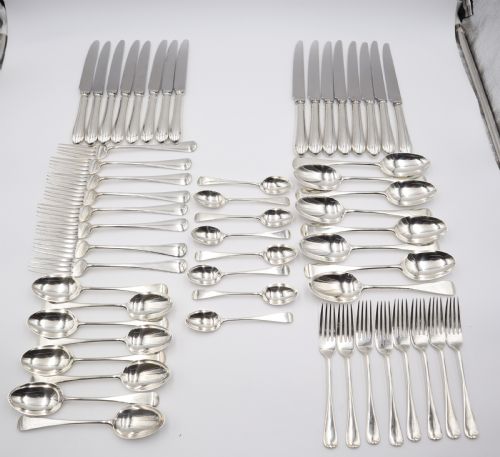
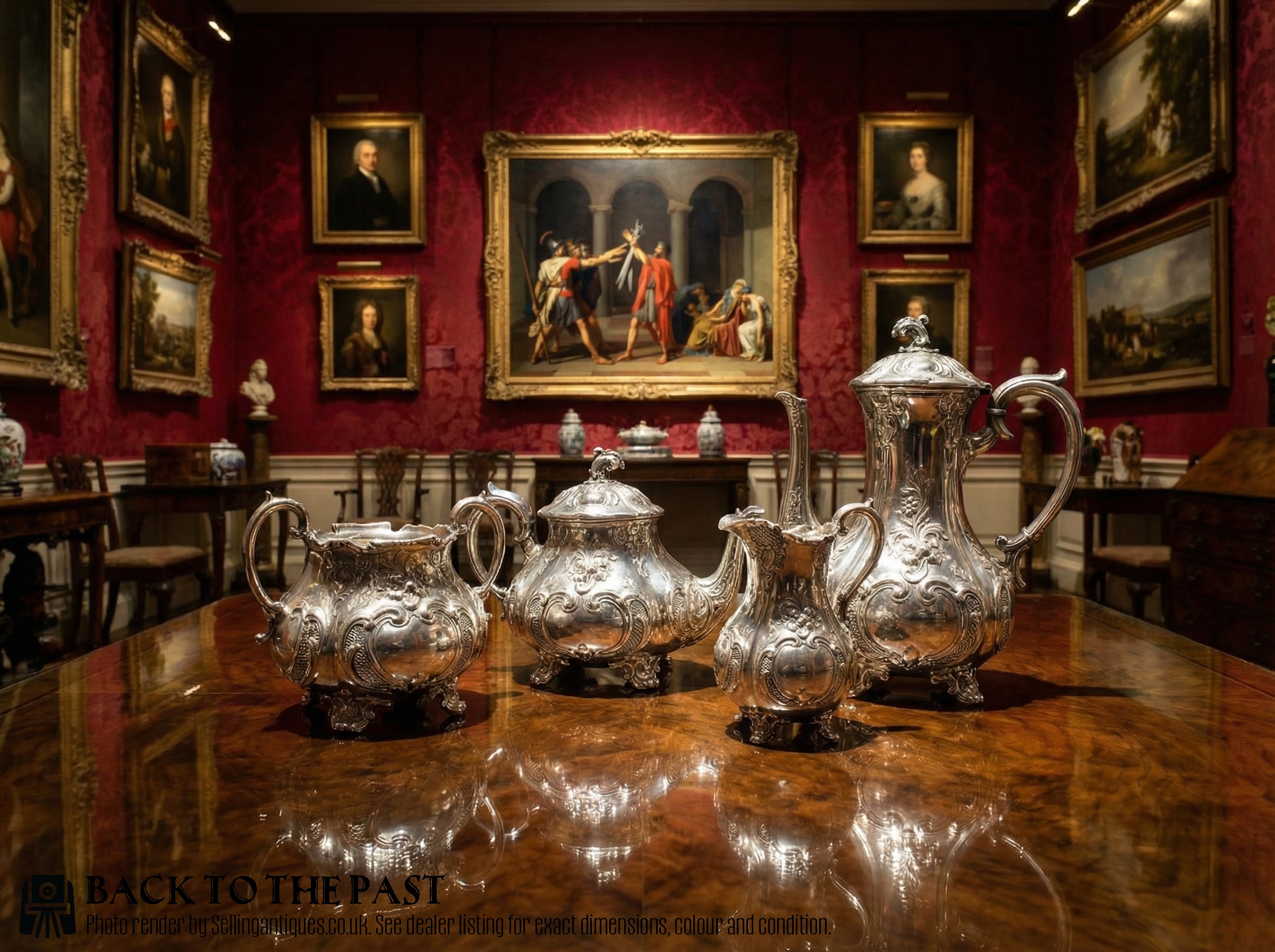
An antique english silver service encompasses matched or coordinated sets for tea, coffee, breakfast, and dining, alongside individual vessels designed for pouring, sugar handling, and cruet storage. When you search for an antique english silver service, you encounter multifaceted collections that range from four piece tea sets to specialised egg cruets and dressing table collections.
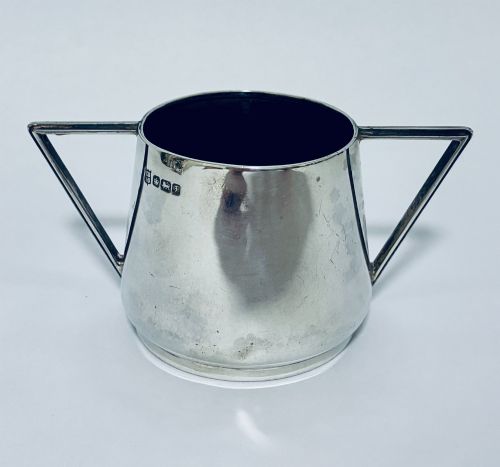
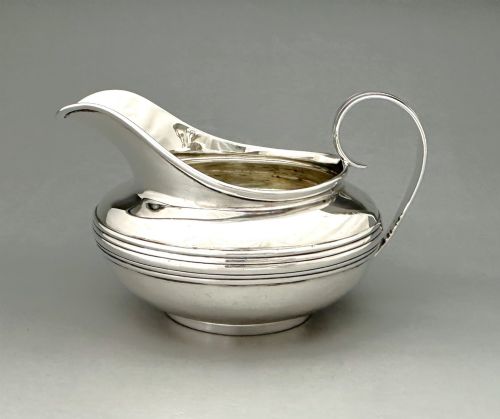
The pieces span multiple eras including the Georgian, Victorian, and Edwardian periods, stretching into the 1920s with distinct Art Deco influences. You are most likely to meet complete or partial tea and coffee sets, alongside utilitarian items like cream jugs, sugar bowls, and salt or egg cruets.
How they were made
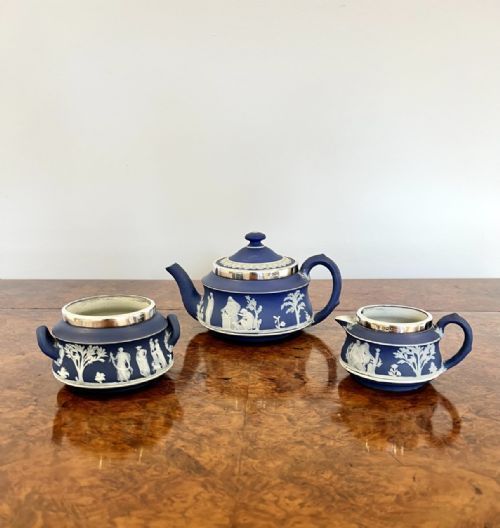
Makers utilised sterling silver and silver plate as primary metallic bases, often combining them with supporting materials such as wood, steel, bone, and glass for handles, inserts, and structural components. Wedgwood jasperware and crystal glass also appear integrated into specific mounts and decanter services, showing varied material combinations across different workshops.
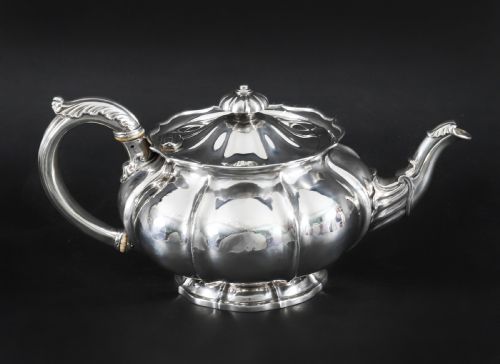
Techniques relied on traditional silversmithing methods, resulting in chased details, naturalistic foliate designs, and ornate decorative motifs spanning Rococo Revival and geometric Art Deco styles. Hallmarks stamped into the metal recorded the assay office, standard, and date of manufacture for sterling pieces.
Listings feature items spanning the Georgian, Victorian, Edwardian, and Art Deco eras, constructed from sterling silver, silver plate, glass, and wood.
What varies in quality
The standard of execution separates master silversmiths from standard production, visible in the sharpness of chased decoration, the weight of the solid silver or plate, and the crispness of applied crests and cresting. Pieces bearing marks from renowned makers demonstrate superior hand-finishing and heavier gauge metal.
Cohesion within a service dictates its collective merit, where matching sets maintain uniform decorative programs across pots, jugs, and basins. The integration of auxiliary materials like bone insulators or wooden handles also reflects the deliberate choices made during original construction.
Bateman Family·Paul Storr·Jonathan Douglas·Benjamin Smith·Wilmot Manufacturing Co·Mappin & Webb·WS Savage·G.R. Collis·Francis Higgins·Birmingham Silversmiths Company·George Fox
The Antique English Silver Service Glossary
- Sterling silver
- An alloy containing a high proportion of pure silver combined with other metals to ensure durability for functional tableware. This standard is verified by official hallmarks stamped directly onto the item.
- Silver plate
- A manufacturing method where a thin layer of silver is fused to a base metal core such as copper or Britannia metal. This provided a more accessible option for large tea and coffee services.
- Cruet set
- A matched assembly of small condiment containers, often holding salt, pepper, mustard, or eggs, arranged in a frame. These sets sit upon the dining table for convenient seasoning.
- Marquee hallmark
- Official stamps applied by an assay office to indicate the metal standard, the maker's mark, and the year of production. These marks help historians trace an item's exact origins.
- Jasperware
- A type of fine stoneware developed by Wedgwood, featuring contrasting relief figures applied to a coloured background. It appears mounted in silver on specific Victorian tea sets.
Antique English Silver Service: Frequently Asked Questions
What is included in a tea service?
A traditional tea service typically comprises a teapot alongside coordinating vessels such as a cream jug and a sugar bowl. Larger sets often expand to include a matching coffee pot or hot water kettle.
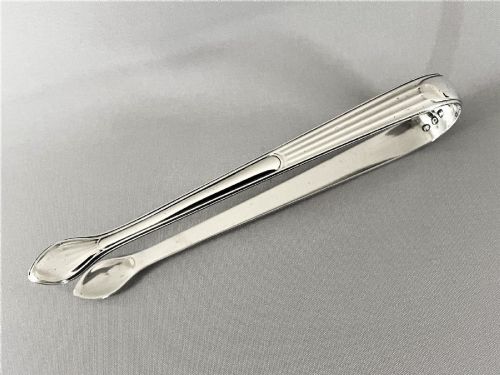
Additional components can feature specialised tongs and spoons designed to handle sugar lumps and loose tea leaves during service.
How do I care for silver items?
Maintenance involves gentle cleaning using appropriate silver polishes and soft cloths to remove tarnish without scratching the underlying metal surface. Storing pieces in dry environments helps prevent future oxidation.
Avoiding harsh chemical dips preserves the original chased details and crispness of the hallmark stamps over time.
What is an egg cruet set?
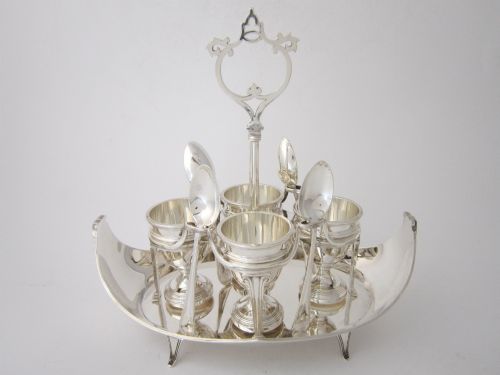
An egg cruet set is a breakfast accessory designed to hold boiled eggs alongside matching spoons and salt cellars. These frames often incorporate central carrying handles for table transport.
They reflect Victorian and Edwardian dining habits centred around structured morning meals.
How are different periods identified?
Periods are identified through stylistic cues such as the elaborate curves of Rococo Revival or the clean geometric lines of Art Deco design. Manufacturing techniques and specific decorative motifs also offer clues to the era of origin.
Official hallmarks provide definitive dates and assay office locations for sterling silver items.
Can silver plate and solid silver be mixed?
While matched sets generally adhere to a single material standard, historical dining collections sometimes combined solid silver cutlery with plated serving pieces. The choice depended on the household budget and the intended function.
Visual harmony was often achieved by maintaining consistent decorative styles across different material types.