




Antique English Sauceboat
An antique English sauceboat brings the graceful utility of eighteenth-century and later dining tables directly to your modern interior.
Antique English Sauceboat
When you search for an antique English sauceboat, you encounter practical vessels designed for serving gravies, sauces, and cream at the dining table. These pieces span centuries of domestic life, originating primarily in the eighteenth and nineteenth centuries alongside later twentieth-century examples.
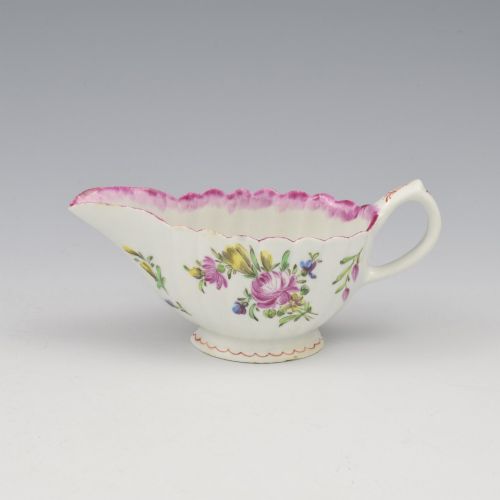
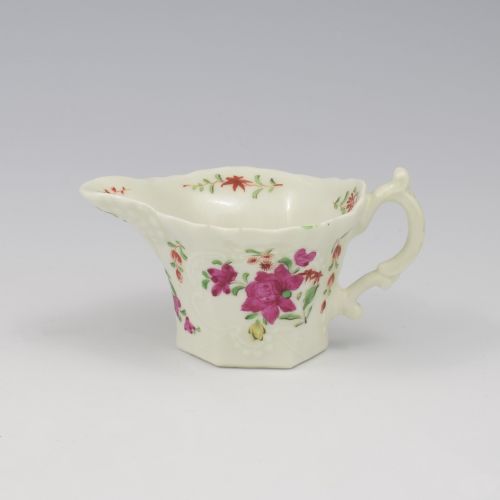
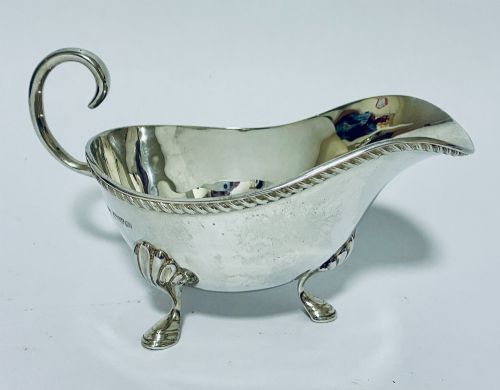
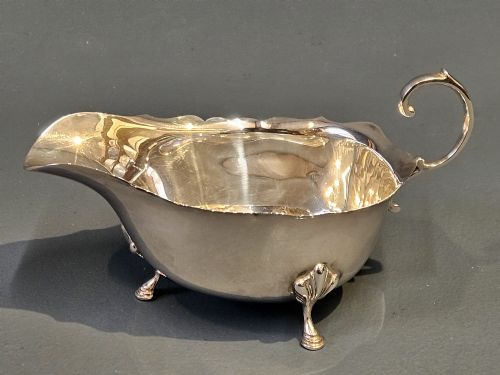
The forms vary from traditional silver vessels raised on hoof or cabriole feet to porcelain equivalents featuring fluted bodies, marine motifs, and botanical shapes. Soft-paste porcelain and sterling silver dominate the selection, often decorated with cobalt glaze, enamel, or moulded details.
You meet Georgian silver and porcelain creations alongside Edwardian and later silver-plated iterations. Each piece reflects the shifting tastes of English dining, moving from elaborate Rococo curves to restrained classical forms.
How they were made
Silversmiths hammered sterling silver and Old Sheffield silver plate into shape, embossing surfaces and casting decorative handles or feet. Solid silver examples often bear hallmarks indicating their assay office and year of creation.
Potters shaped soft-paste porcelain and enamel using moulds or hand-forming techniques, applying cobalt glaze and enamel decoration before firing. Specialised forms like dolphin ewers and lettuce leaf designs required intricate hand-modelling and careful glazing.
What varies in quality
The crispness of the moulded relief and the precision of the hand-painted cobalt or enamel decoration define the standard of ceramic pieces. Early soft-paste porcelain examples demonstrate varying degrees of translucency and glaze purity.
Silver vessels display differences in the weight of the metal, the definition of the embossed chasing, and the proportional balance of the handle and supports. Maker marks and the retention of original gilding further distinguish exceptional examples from standard production.
Walker and Hall·Bow Porcelain·Worcester Porcelain·Chelsea Derby
The Antique English Sauceboat Glossary
- Soft-paste porcelain
- An early ceramic composition fired at lower temperatures than hard-paste porcelain, producing a warm, creamy body and a distinctive glaze. This material is characteristic of eighteenth-century English factories.
- Cobalt glaze
- A deep blue metallic oxide pigment applied under the glaze before firing, widely used for Chinese-inspired and botanical patterns on porcelain. It reacts to heat by producing rich variations in tone.
- Sterling silver
- An alloy containing a high proportion of pure silver, utilised for durable and prestigious tableware. It provides the heavy substance and bright polish seen on Georgian and later serving vessels.
- Old Sheffield plate
- A composite material formed by fusing a thin sheet of silver to a thicker copper base, common in nineteenth-century manufacture. It allowed makers to produce substantial serving items at a lower cost than solid silver.
- Dolphin ewer
- A specialised ceramic vessel form featuring a marine creature motif, often incorporating a lamprey-shaped handle. These whimsical designs showcase the sculptural ambition of eighteenth-century porcelain modellers.
Antique English Sauceboat: Frequently Asked Questions
How do I distinguish porcelain from silver sauceboats?
Porcelain sauceboats consist of fired ceramic materials, often decorated with hand-painted cobalt blue patterns, enamels, or moulded botanical relief. They originate frequently from eighteenth-century factories.
Silver sauceboats are fashioned from solid sterling silver or silver plate, displaying hallmarks, embossed details, and polished metallic surfaces.
What periods do these sauceboats represent?
The available pieces span the eighteenth, nineteenth, and twentieth centuries, encompassing Georgian, Regency, Edwardian, and later eras. Eighteenth-century examples often feature soft-paste porcelain or George II and George III silver.
Later pieces include Victorian silver plate, George V designs, and mid-twentieth-century solid silver work.
How should I care for an antique sauceboat?
Care depends entirely on the material composition of the specific vessel. Porcelain pieces require gentle hand washing with mild soap to protect the historic glaze and delicate enamels.
Silver and silver-plated items benefit from occasional specialised polishing to maintain the metal shine without abrasive damage.