



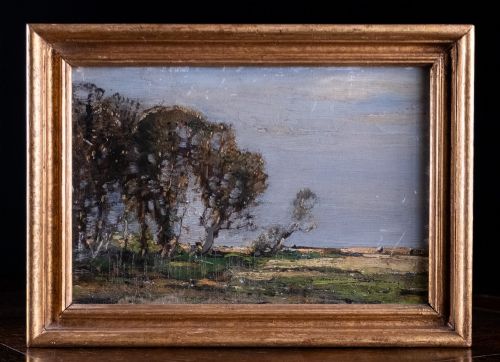
Antique English Landscape Art
Antique english landscape art captures rural topography and coastal scenery across centuries through oils, watercolours, and mixed media.
Antique English Landscape Art
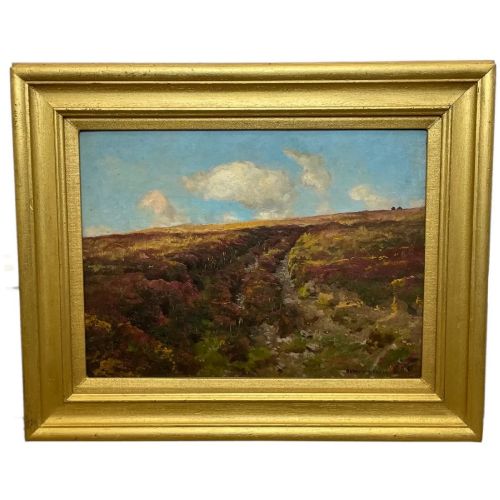
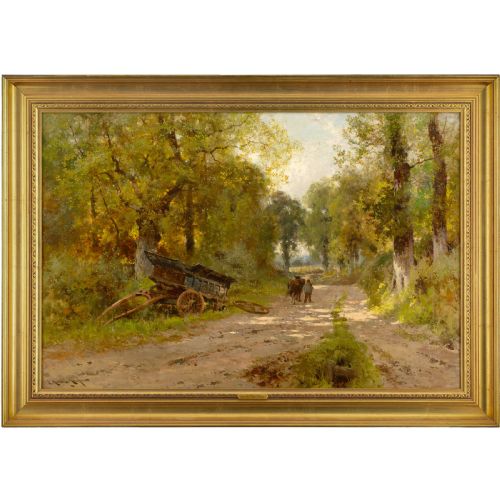
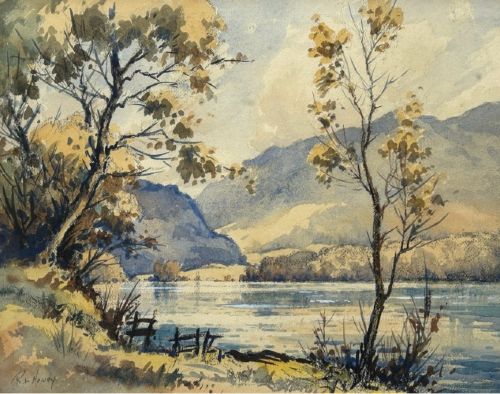
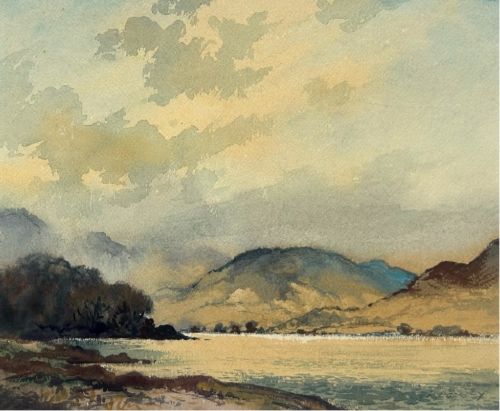
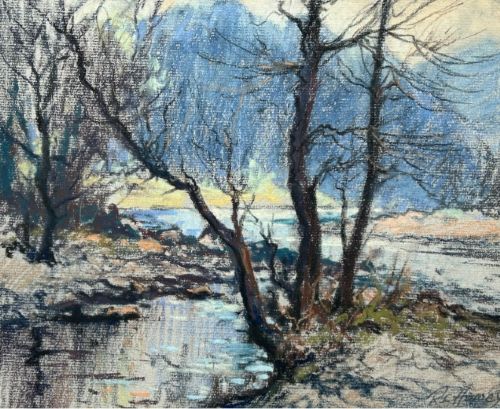
Antique english landscape art encompasses framed paintings and works on paper depicting countryside views, lakes, rivers, and coastal scenes from the nineteenth and early twentieth centuries. These pieces record topographical changes and rural life through the eyes of academic painters, regional artists, and the British School.
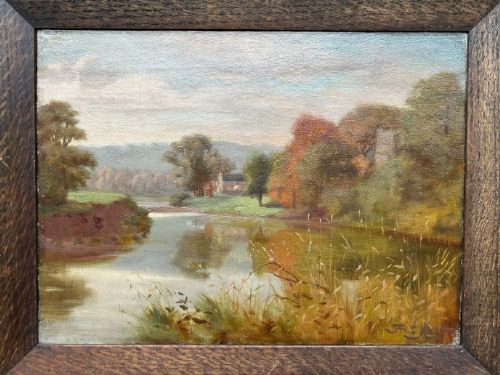
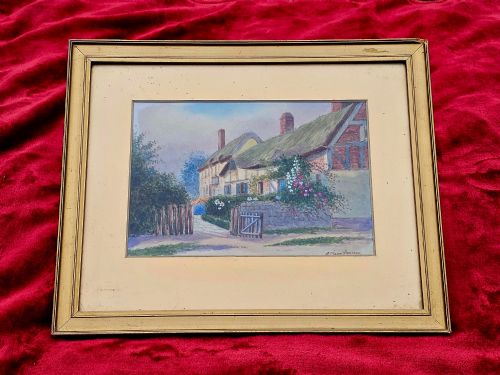
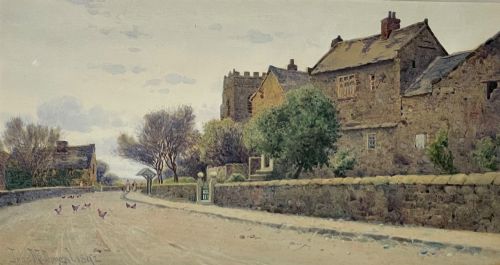
Buyers encounter oil paintings on canvas, panel, and board alongside delicate watercolours executed on paper. Styles range from Victorian academic works to Edwardian watercolours and later traditional depictions of the Lake District, Yorkshire, and southern counties.
How they were made
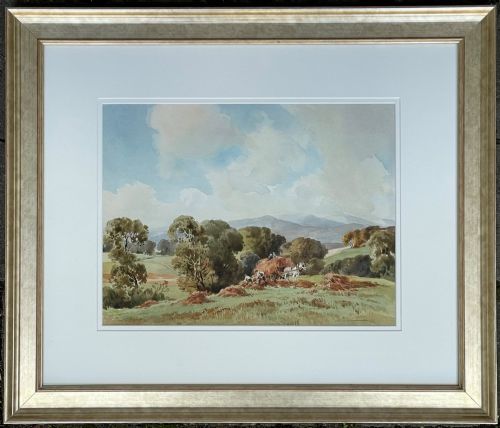
Artists applied oil paints to prepared canvas, wood panel, or board, building rich textures and atmospheric depth. Watercolours were painted on specialist paper, frequently utilising glass protection within gilded wood or Hogarth frames.
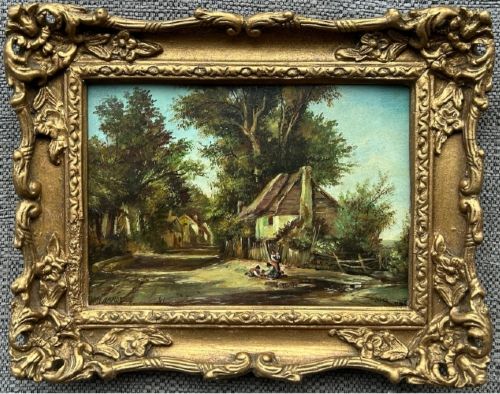
Many works incorporate plaster elements within ornate frames, while reverse glass painting techniques and mezzotints offer alternative methods of capturing scenic views during the Victorian era.
Antique English Landscape Art Retail Price Guide 2026
Typical asking prices for english landscape art among the pieces listed under this phrase on Sellingantiques today, from the lower quarter to the upper quarter. They describe what is for sale here now, not the wider market.
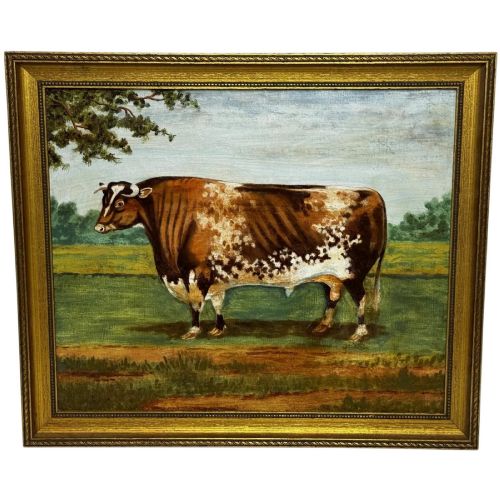
Several sheep and cart-horses remain permanently frozen mid-stride across nineteenth-century pastures.
What varies in quality
Quality rests in the precision of brushwork, the handling of natural light, and the compositional balance achieved by the artist. Finer examples display confident draughtsmanship and atmospheric subtlety rather than formulaic repetition of rural tropes.
The integrity of the original frame, the stability of the support material, and the clarity of the medium without excessive overpainting separate superior works from more modest decorative examples.
Sir Herbert Hughes-Stanton·John D Walker·Cornelius Pearson·Thomas Creswick·Arthur W Newsholme·J Lawrence Hart·David Woodlock·Arthur Tucker·Margaret Fisher Prout·Arthur Gilbert·David Cox·James Walsham Baldock·Charles M McArthur·James Hardy Jr·James Lawson Stewart·W H Dyer·Ernest Higgins Rigg
The Antique English Landscape Art Glossary
- Canvas
- A heavy woven fabric stretched across a wooden frame to serve as a support for oil paintings. It provides a flexible yet durable surface that accepts layered brushwork.
- Mezzotint
- A printmaking process where the copper plate is roughened to achieve rich tonal gradations of dark and light. It produces velvety textures suitable for romantic landscape scenes.
- Board
- A rigid wooden or composition panel used as a firm support for oil or gouache painting. Artists frequently utilised boards for smaller outdoor studies.
- Watercolour
- A paint consisting of pigment suspended in a water-soluble vehicle, applied to paper. It allows for translucent washes that capture changing atmospheric conditions.
- Gilded wood
- Wood carved and coated with gold leaf or metallic powder to form decorative picture frames. It enhances the visual weight and historical context of the artwork.
Antique English Landscape Art: Frequently Asked Questions
What subjects do these landscapes show?
These works depict recognizable British locations including the Lake District, Dartmoor, Yorkshire, and Hampshire. Scenes frequently incorporate rivers, cottages, livestock, and rural workers.
Artists focused on capturing specific regional topography and atmospheric weather conditions across England.
Are these paintings original works?
The selection comprises original hand-painted oils on canvas and panel alongside authentic watercolours on paper. Signed compositions by listed artists appear alongside pieces attributed to the British School.
Print techniques such as mezzotints and reverse glass paintings also represent period artistic output.
How should I frame these artworks?
Many pieces retain their period frames, including ornate gilded wood and traditional Hogarth moulding. Preserving these historic surrounds maintains the integrity of the object.
Glazing protects delicate watercolours on paper from environmental moisture and dust accumulation over time.
How do I date an antique landscape?
Dates are indicated by artist signatures, exhibition records, framing styles, and backend inscriptions. Stylistic shifts from Victorian academic detail to Edwardian looseness help narrow the period.
Materials such as prepared canvas types and early watermarked papers provide further chronological clues.